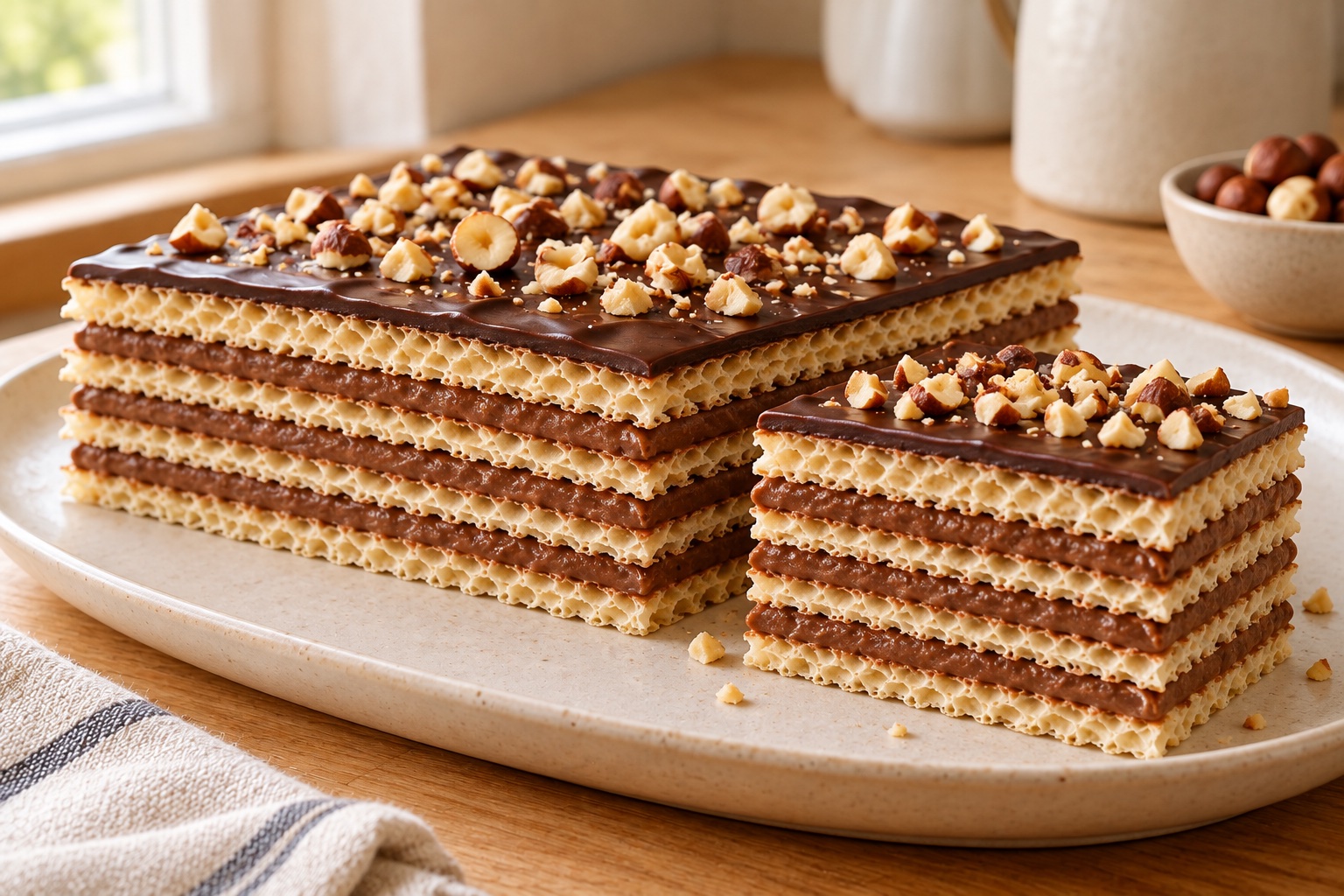
Piszinger czekoladowo-orzechowy
A Krakow home treat made of thin wafers layered with chocolate cream and nuts. No baking and no raw eggs, with a thin coating on top.

Tried and tested recipes, including the ones brought from home. For the ingredients we tell you what to use instead abroad.
A Krakow home treat made of thin wafers layered with chocolate cream and nuts. No baking and no raw eggs, with a thin coating on top.
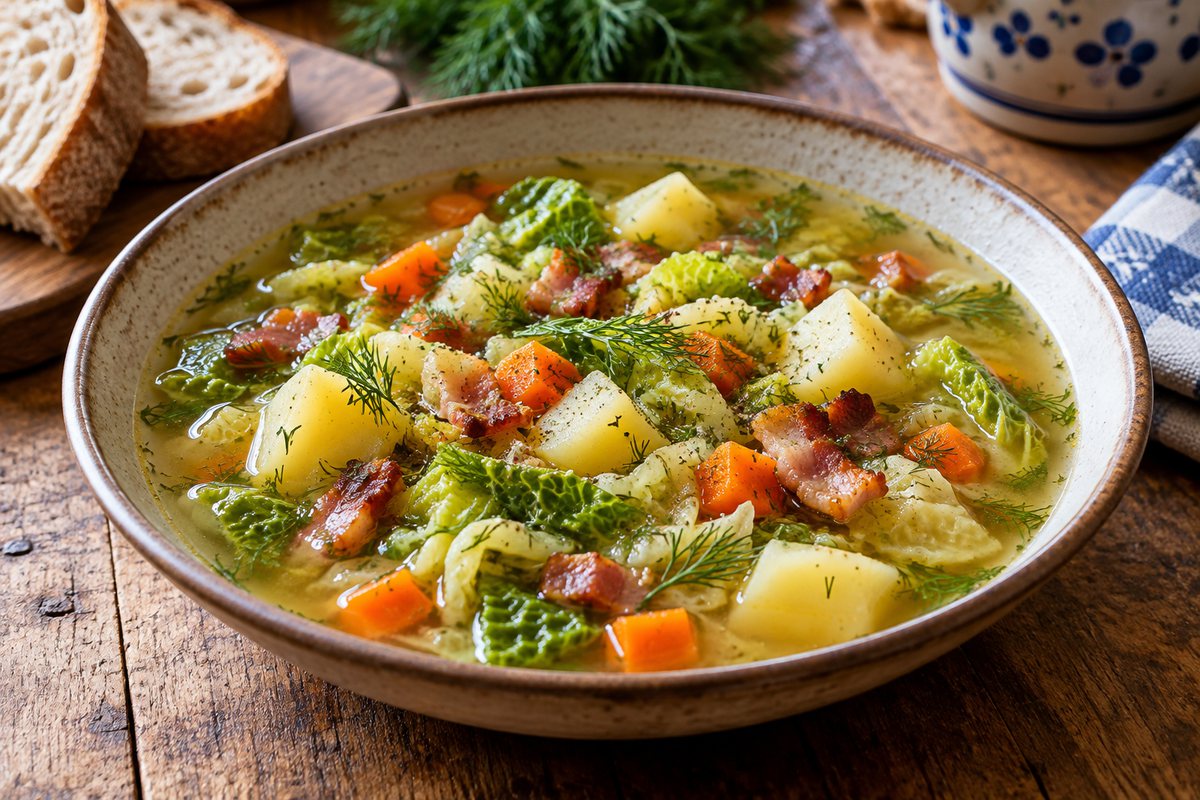
A thick, unthickened soup made from fresh savoy cabbage, potatoes, and bacon. A homemade version with dill, without sauerkraut and without a flour roux.
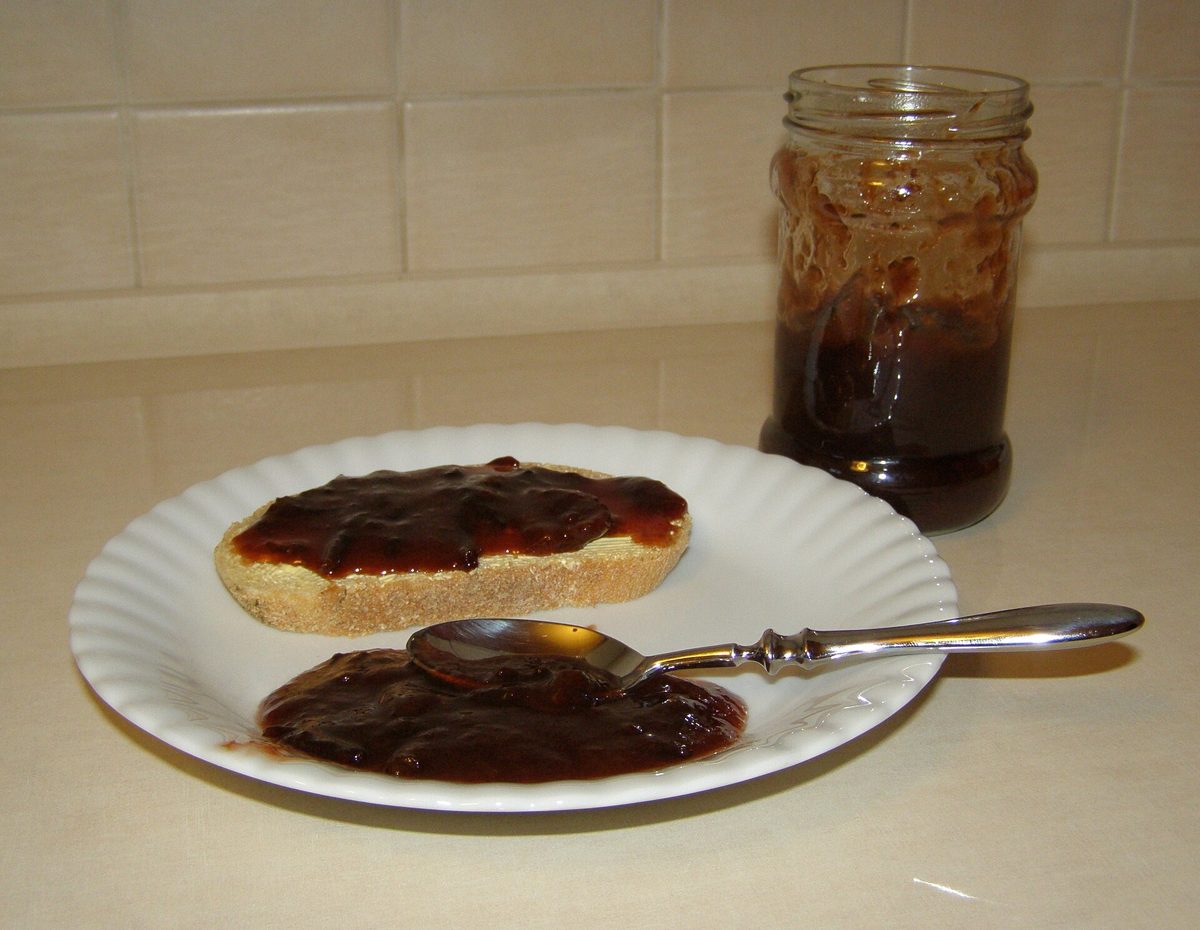
Thick, dark preserves made from ripe plums, slowly cooked for three days without sugar or with just a bit, and then sealed in jars. Learn how powidła differ from jam, how to avoid burning, and what plums to buy abroad.
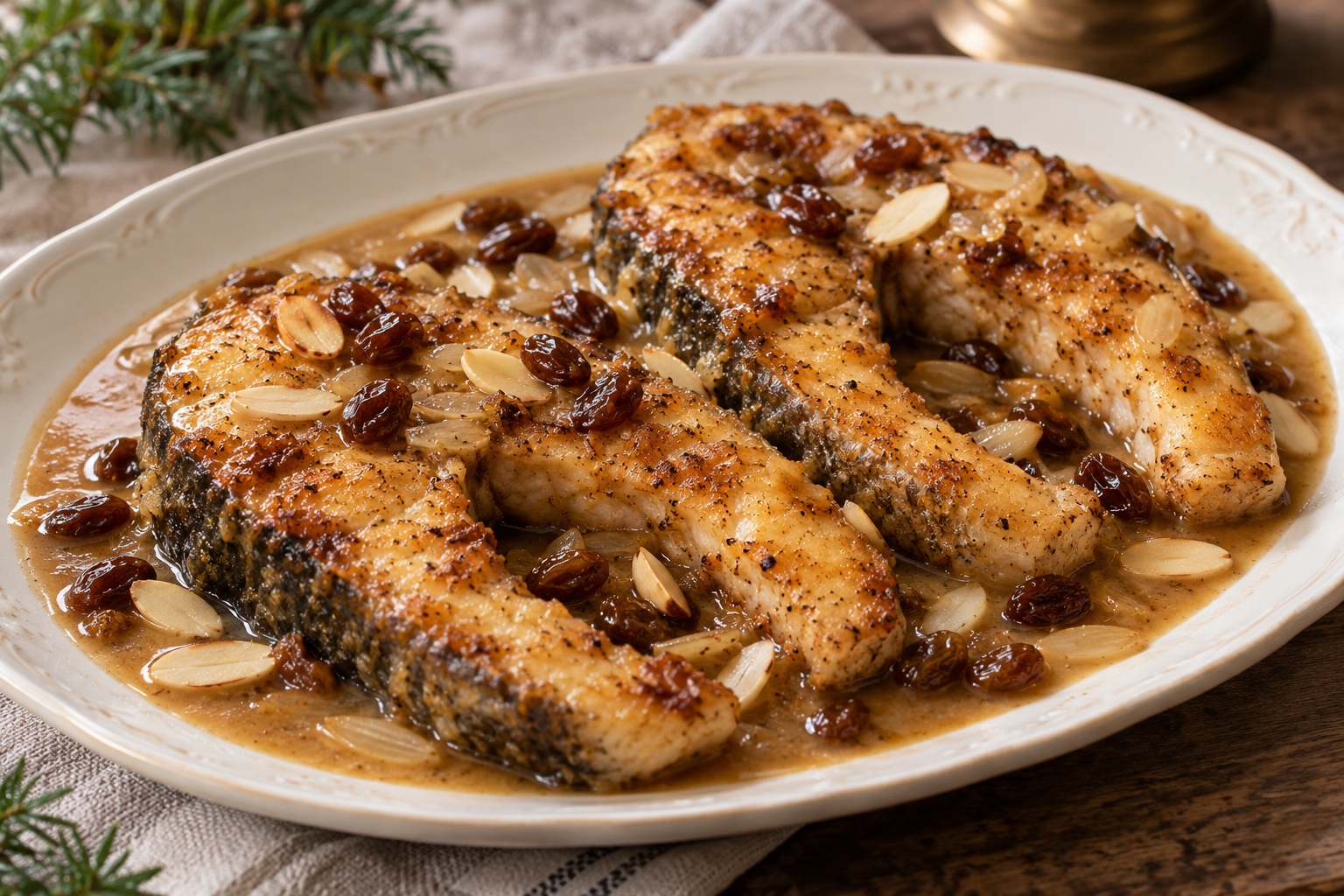
Fried carp fillets in a sweet and sour sauce made from caramel, red wine, raisins, and almonds. A variant without blood and gingerbread, with a separate preparation of the sauce.
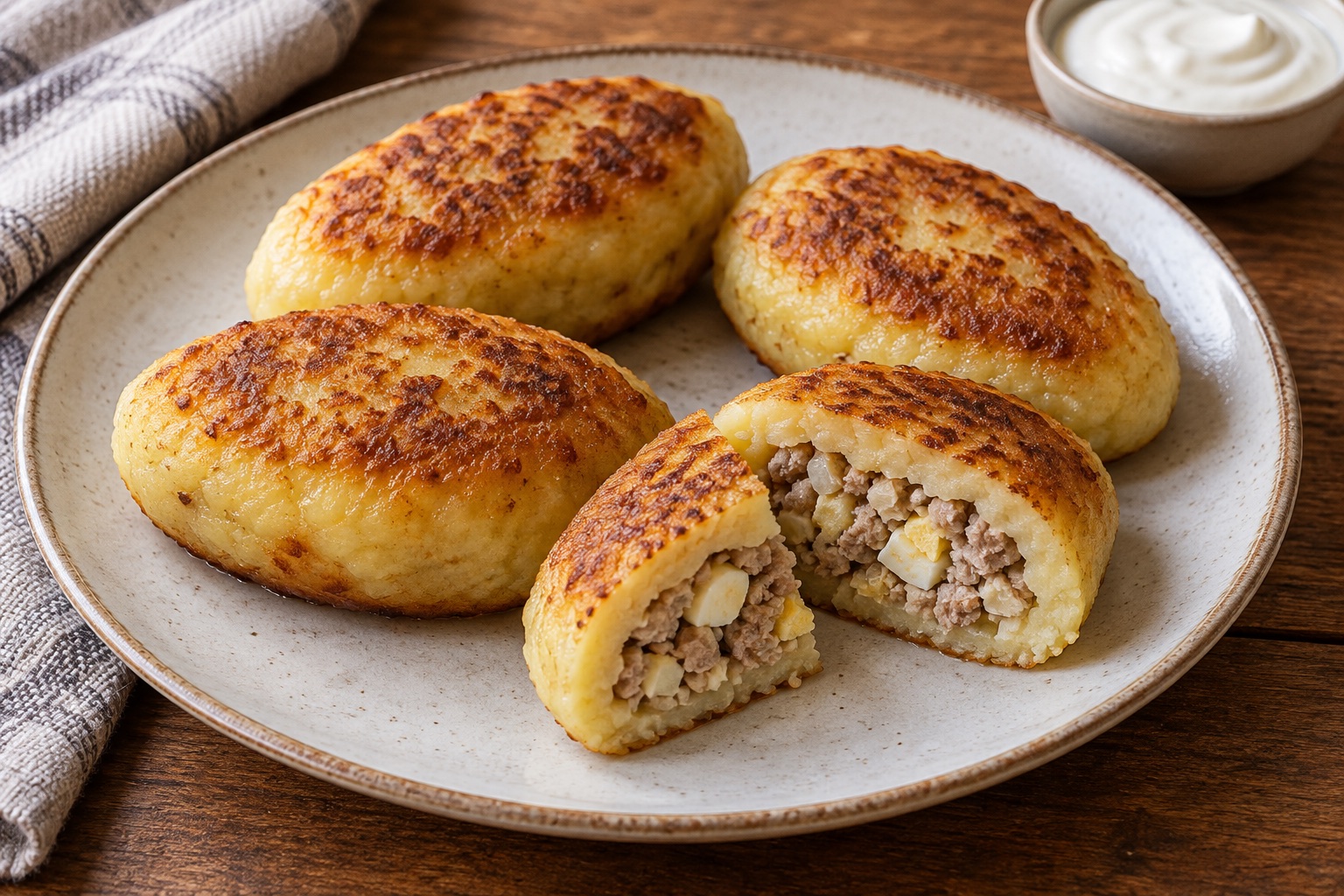
Fried patties made from cooked potatoes, filled with cooked pork and egg. Includes instructions for preparing the dry potato mixture and securely sealing the filling.
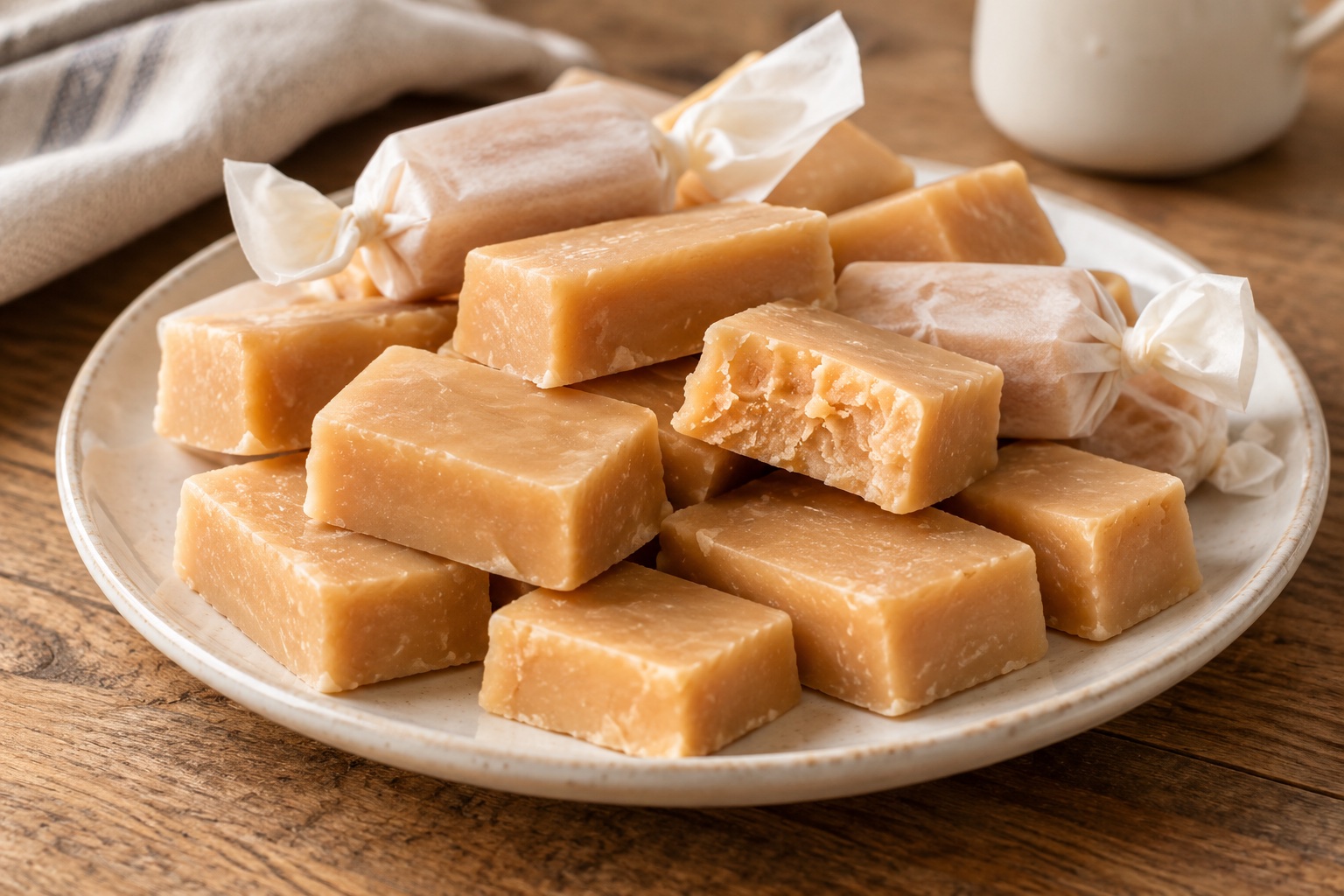
Milk-caramel candies made from unsweetened evaporated milk, butter, and sugar. With temperature control, consistency testing, and cutting after cooling.

A warm, soft roll with a thin kabanos sausage tucked inside and a bit of ketchup and mustard. A homemade recreation of a simple train station flavor, without mayonnaise or white sauces.
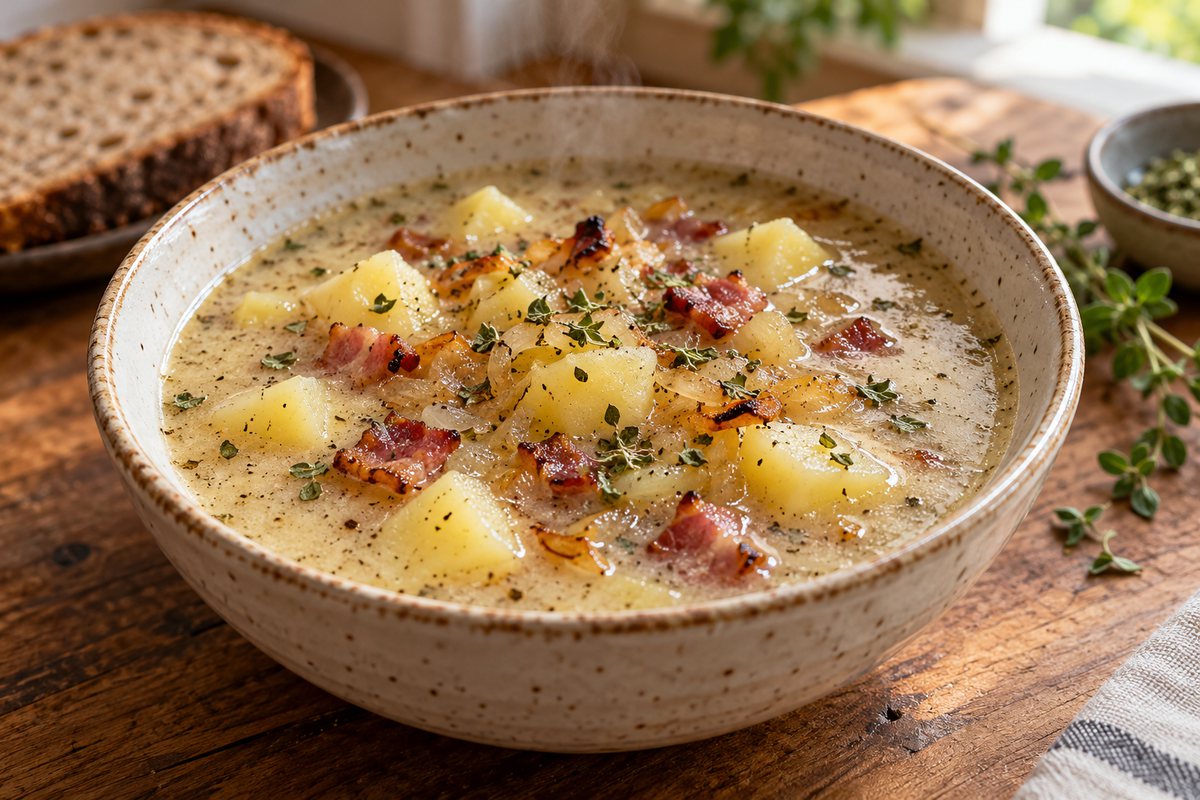
A sour, hearty potato soup made with rye sourdough, featuring golden onions and bacon. The precise cooking order, adjusting the sourness, and gently thickening with cream are key.
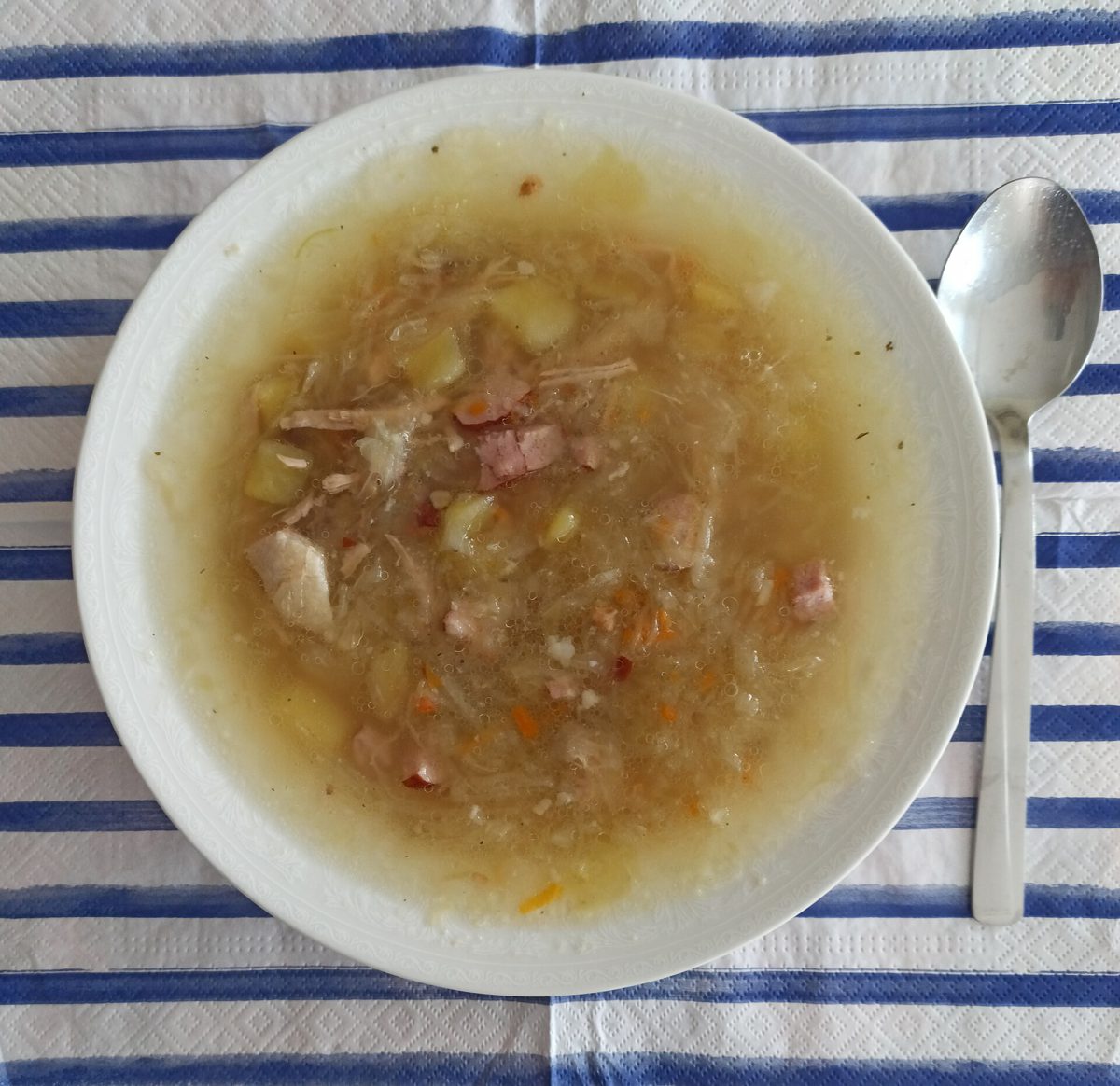
A thick soup made from sauerkraut, pork ribs, potatoes, smoked bacon, caraway seeds, and marjoram. Includes tips on rinsing the cabbage, how to avoid oversalting the soup, and what sauerkraut to buy abroad.
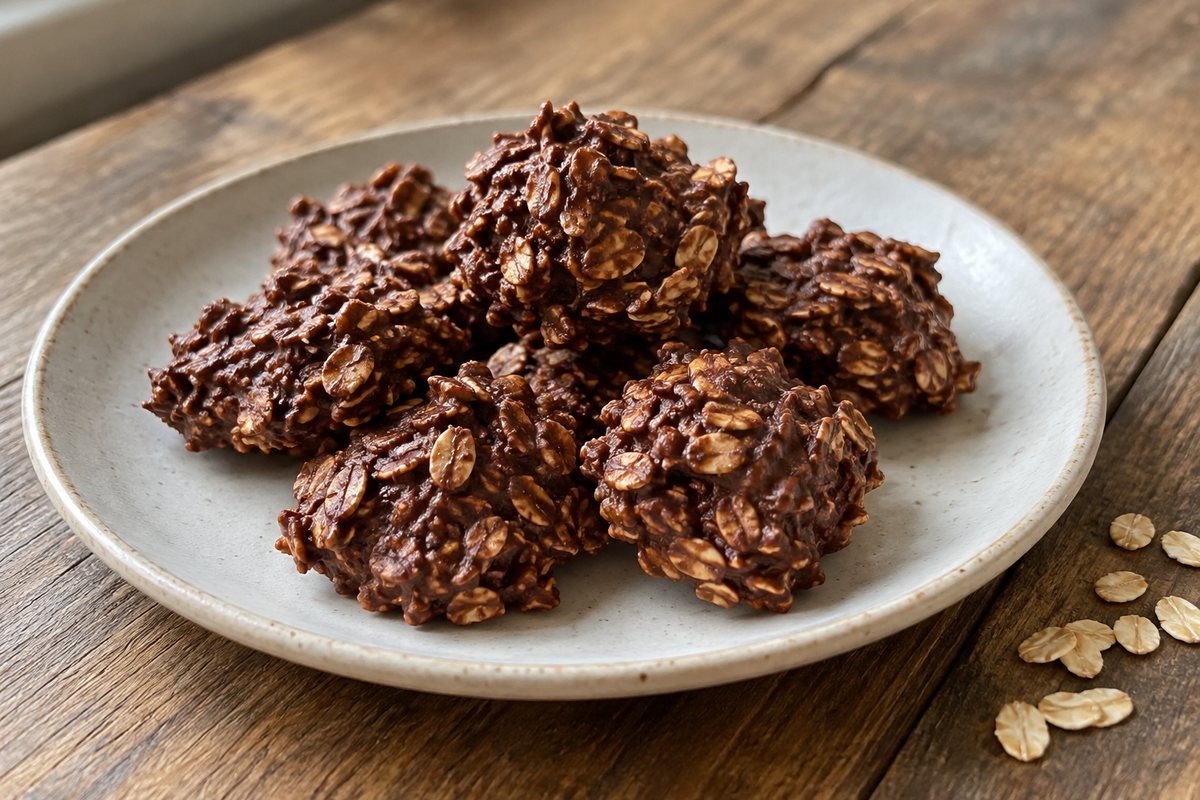
Simple mounds made from oats, cocoa, butter, milk, and sugar. A homemade recreation of a school treat: one pot, spooning, and chilling instead of baking.
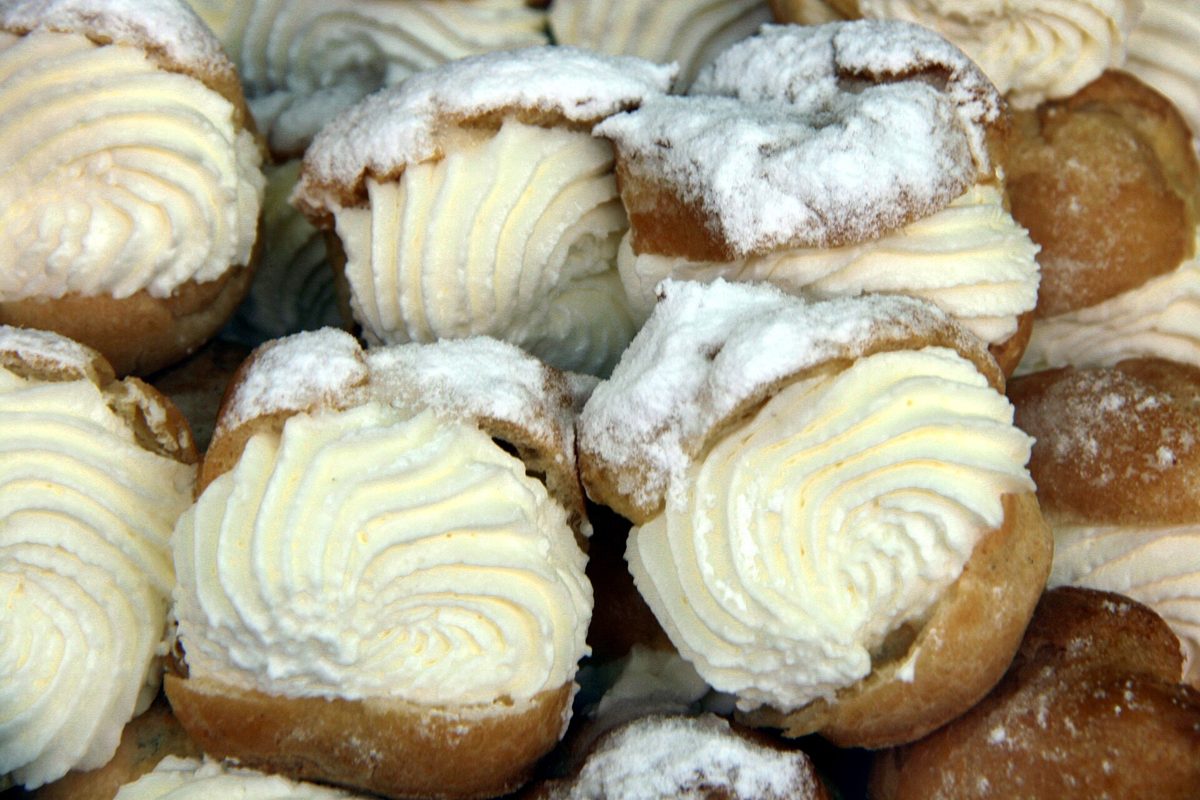
Homemade cream puffs made from choux pastry, filled with whipped cream and dusted with powdered sugar, just like from a good pastry shop. With tips on how to prepare the dough, when to add the eggs, and how to prevent the puffs from collapsing after being taken out of the oven.
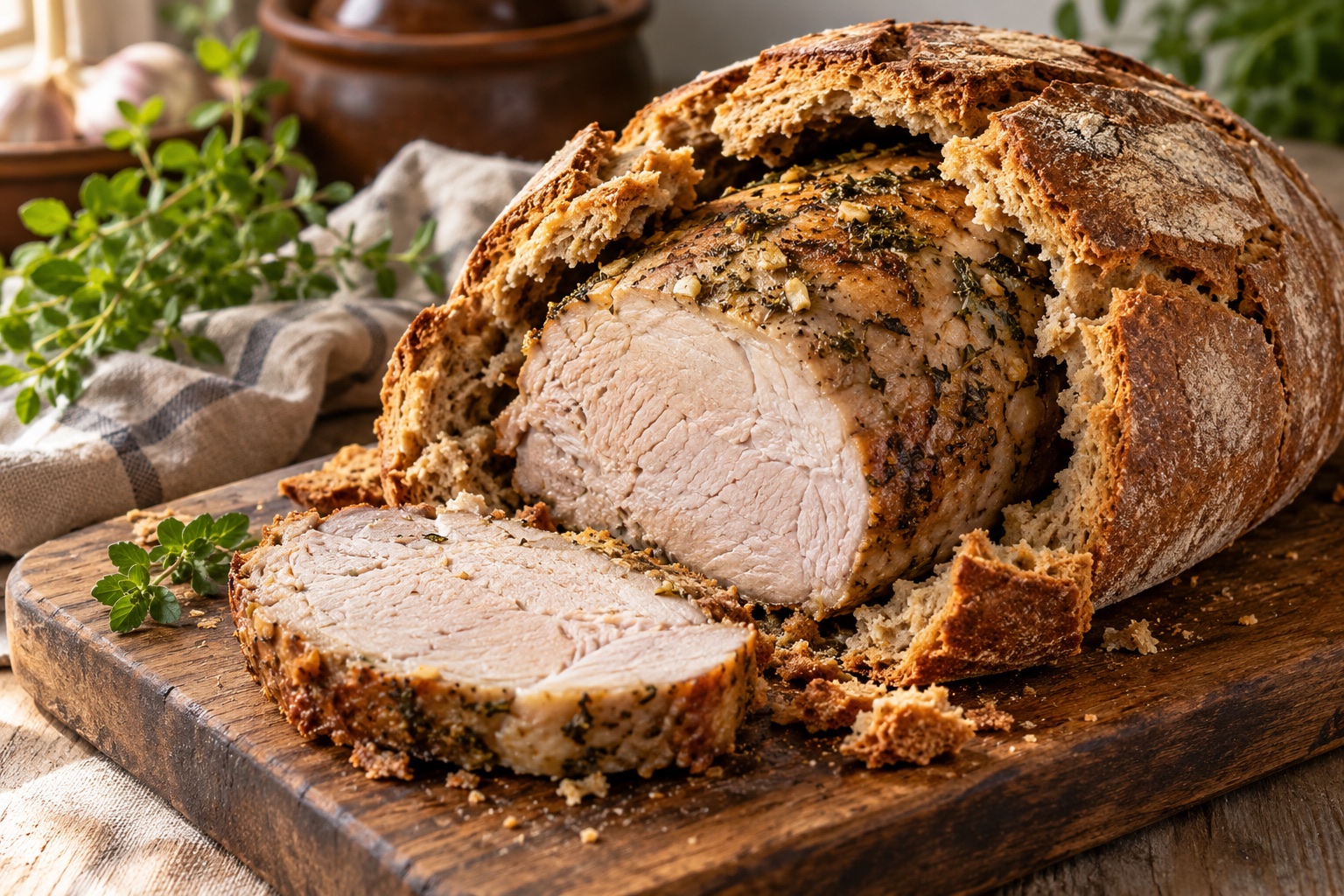
Fresh pork ham enclosed in a thick rye-wheat crust. With a precise sealing of the dough, measuring the center, and opening after resting.

Soft, thin pancakes with a delicate layer of hazelnut cocoa cream. How to spread the batter, fry flexible pancakes, and fill them so that the filling doesn't ooze out.
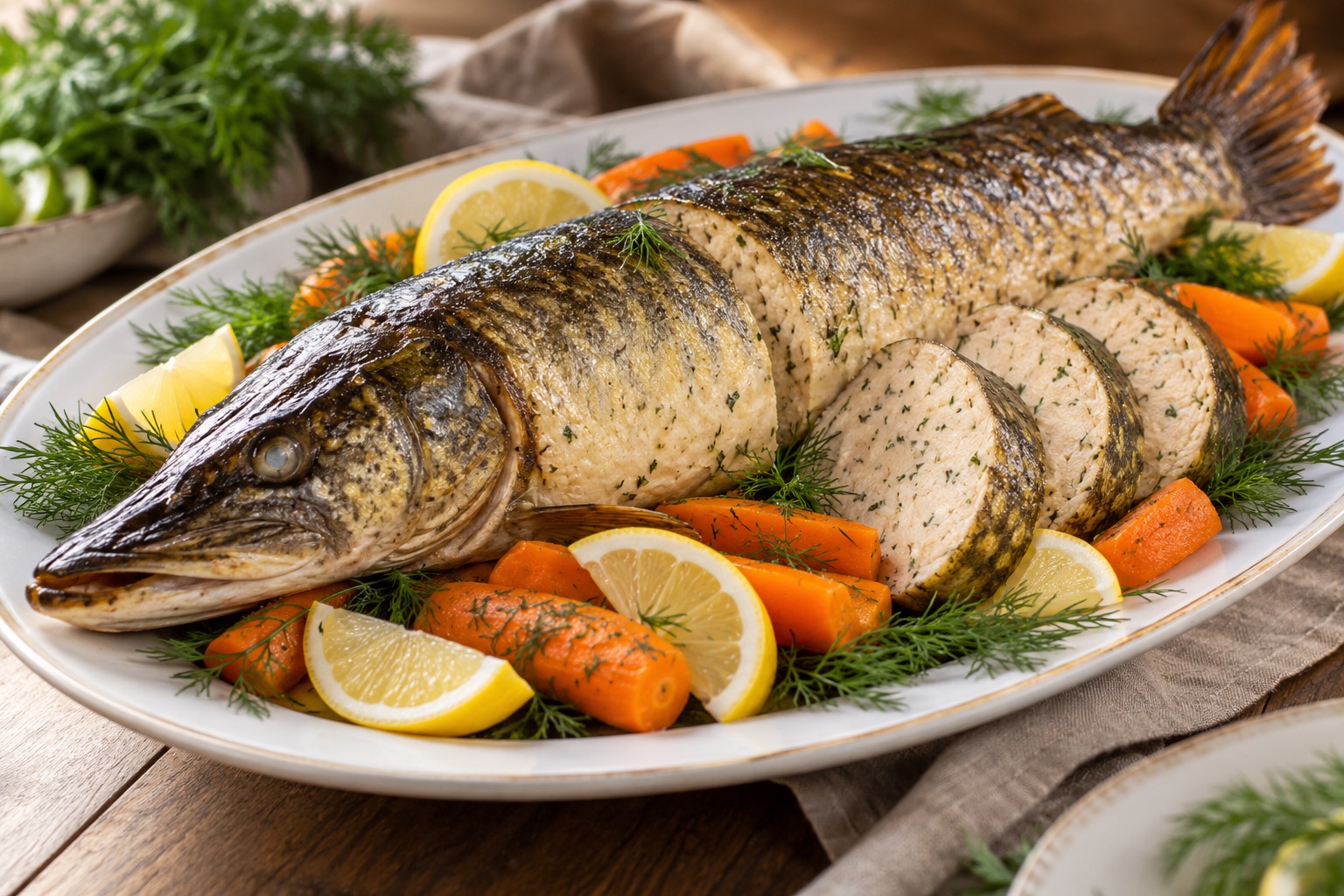
A whole fish with a delicate stuffing made from pike meat, bread, and dill. Includes instructions for skinning, removing bones, and cooking without cracking.
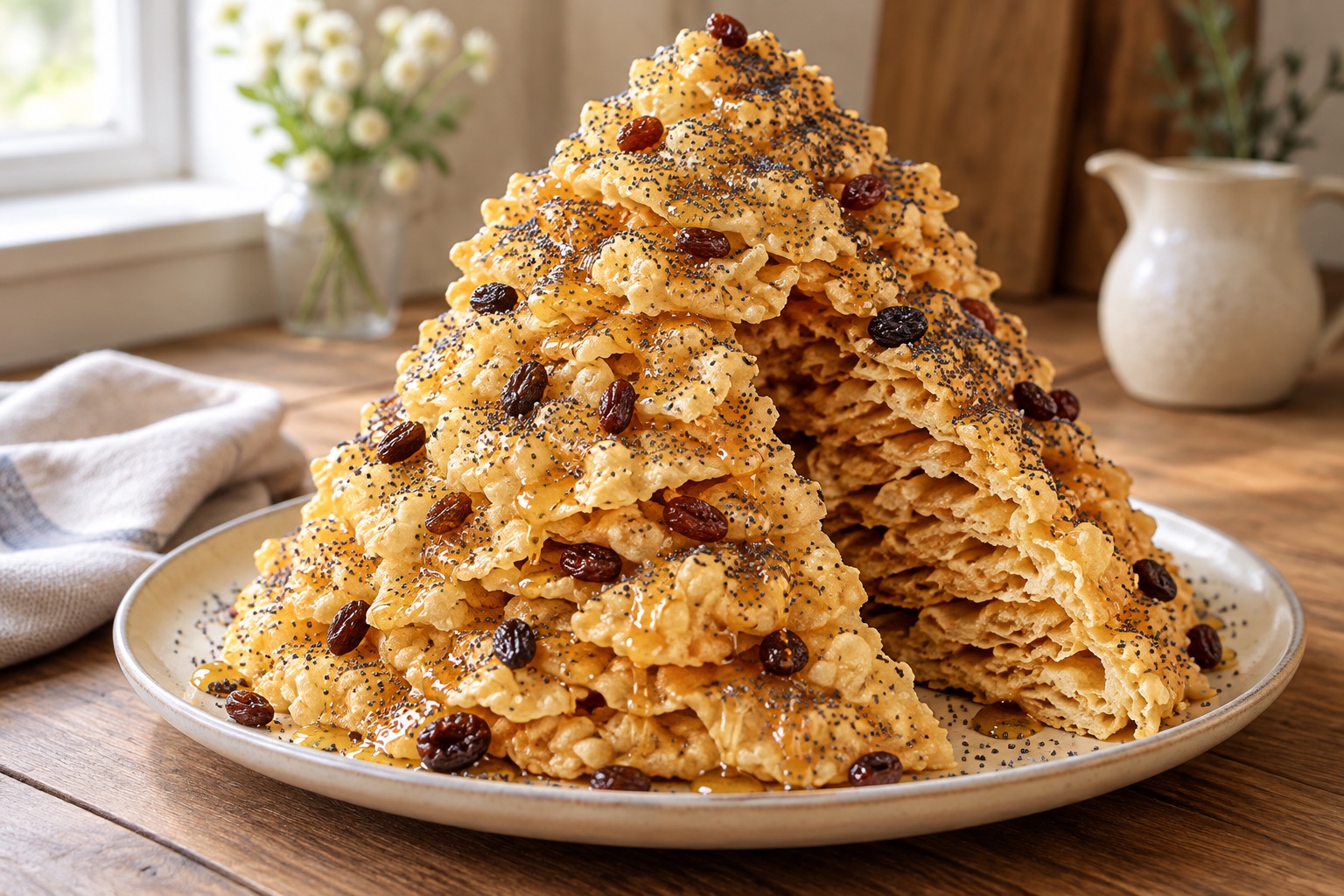
A decorative mound made of thin, crispy pieces of fried dough, combined with a honey glaze. A delicacy from the Sejny region with Lithuanian roots.
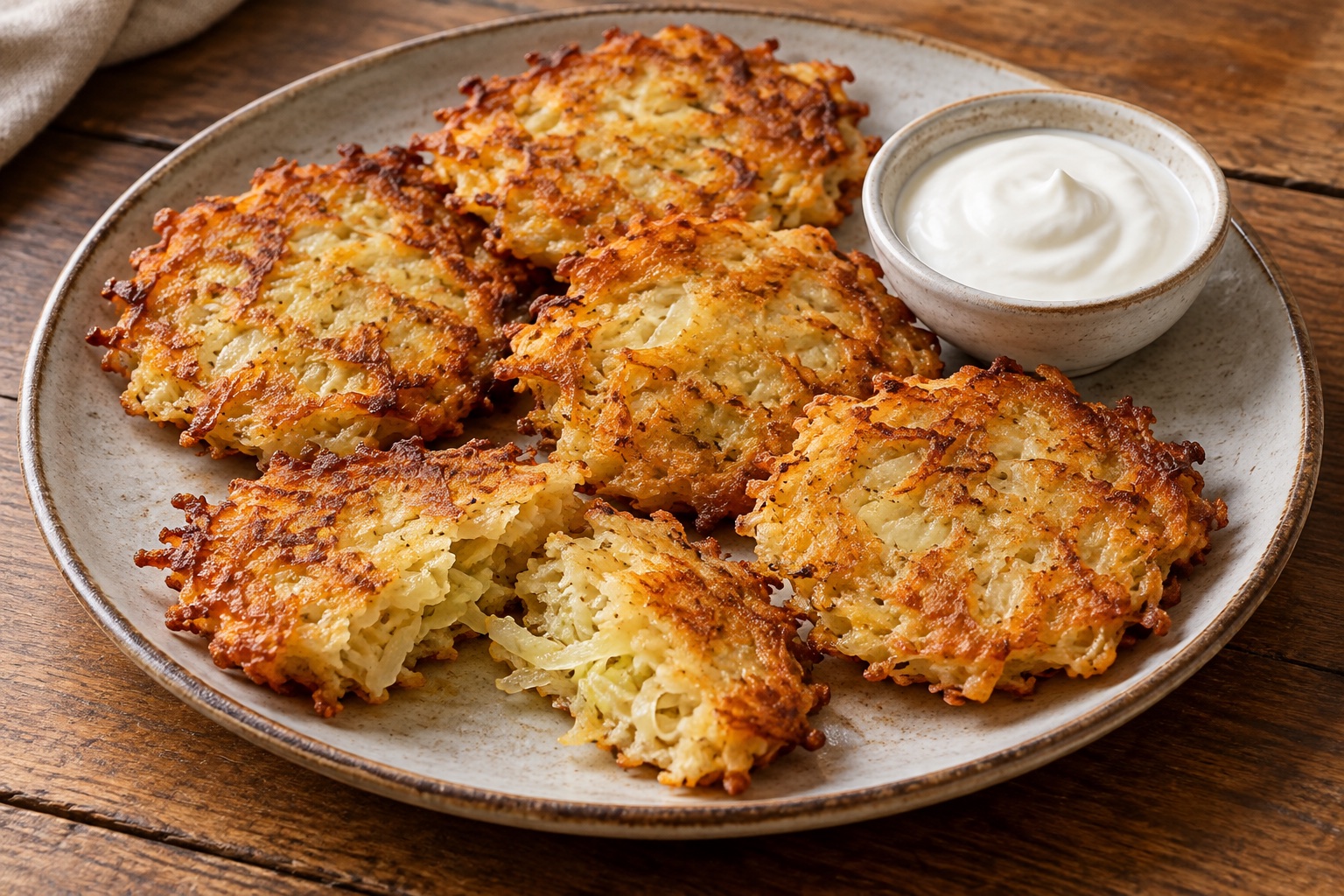
Golden pancakes made from finely chopped sauerkraut. With measurements after squeezing, a test pancake, and tips on frying the center without burning the edges.
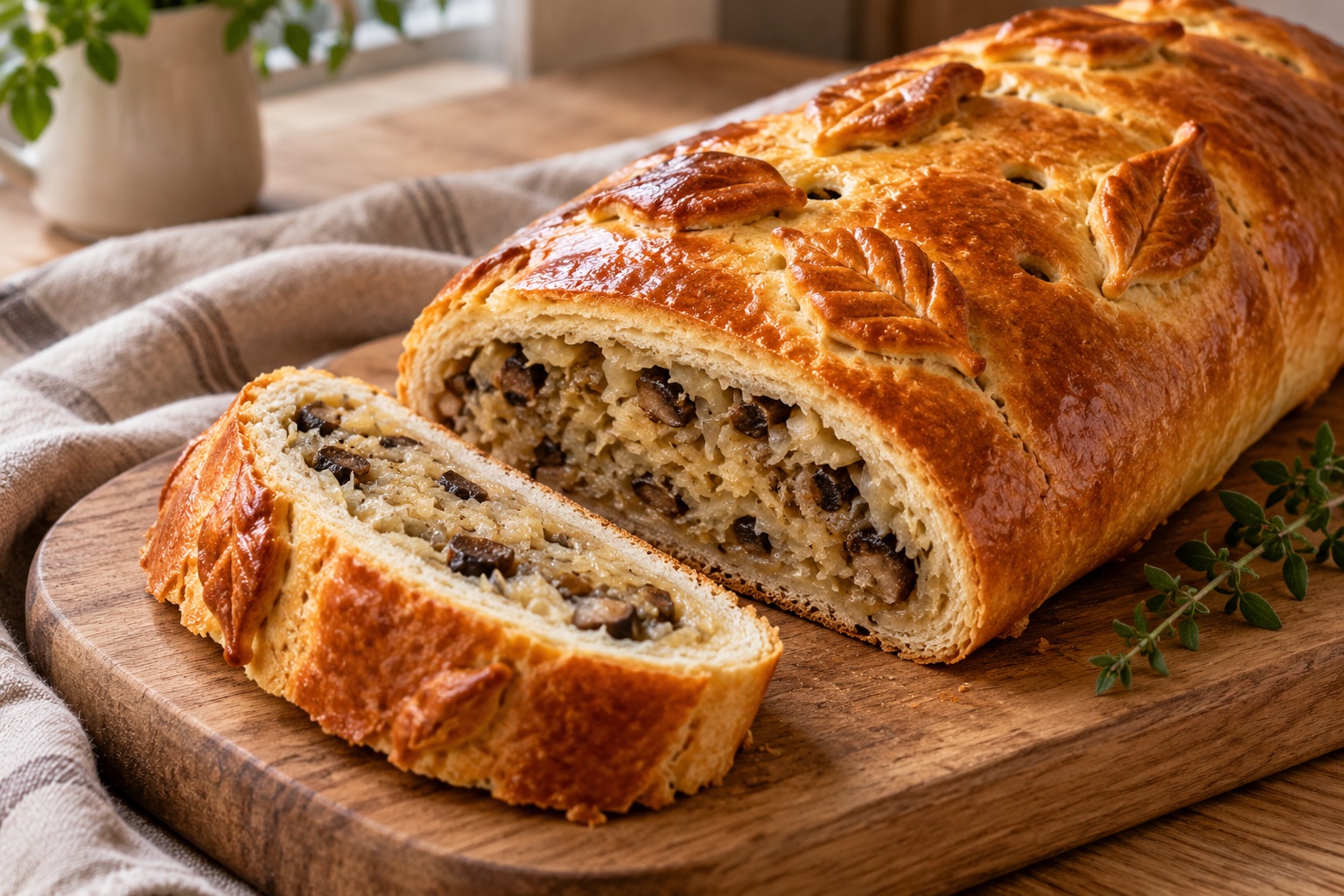
A large, golden-brown strudel made from soft yeast dough, filled with sauerkraut and dried mushrooms. Best sliced into thick pieces and served with borscht.
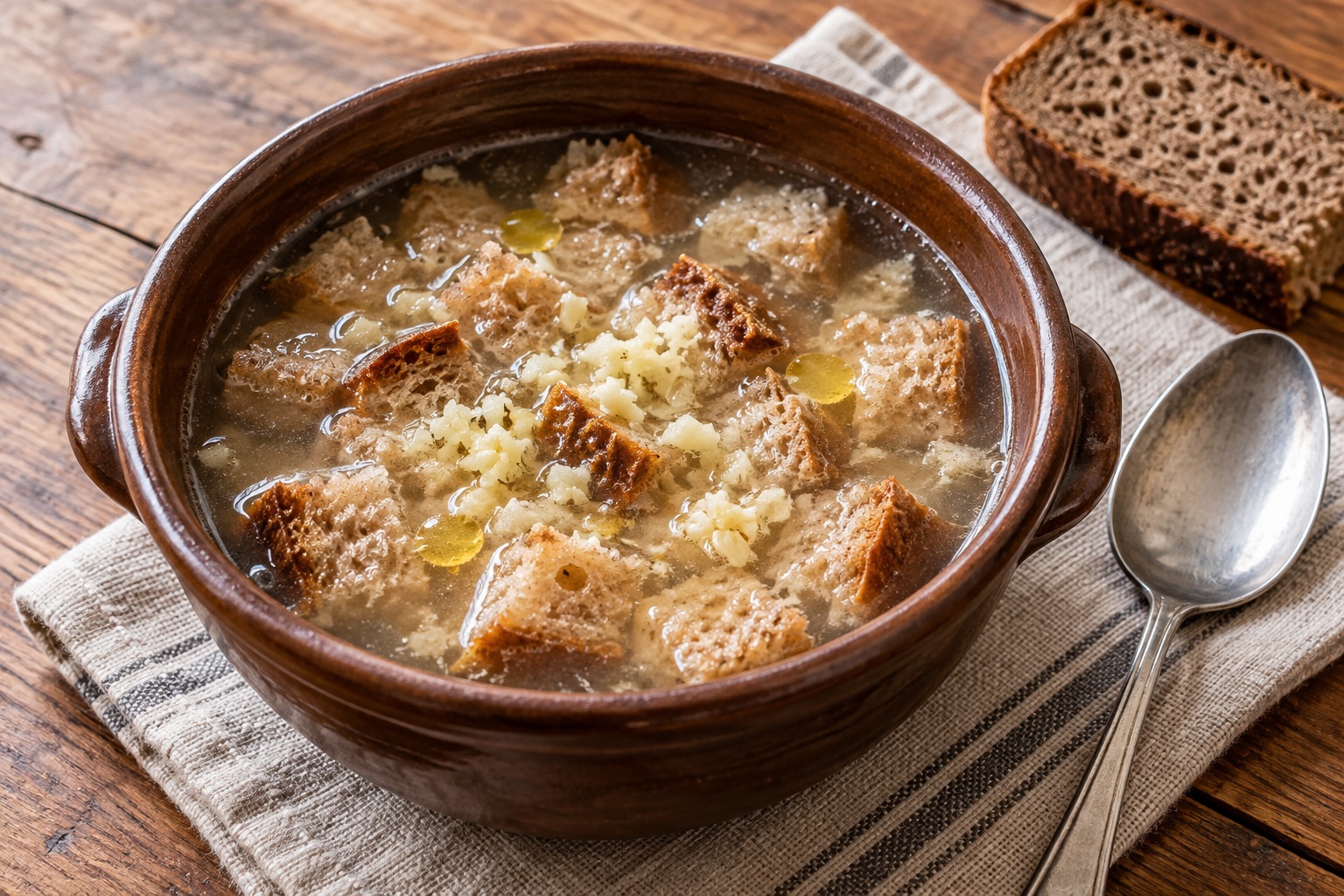
A simple soup made from stale bread, garlic, butter, and boiling water. The proportions are for two large bowls and include tips on choosing bread and the strength of garlic.
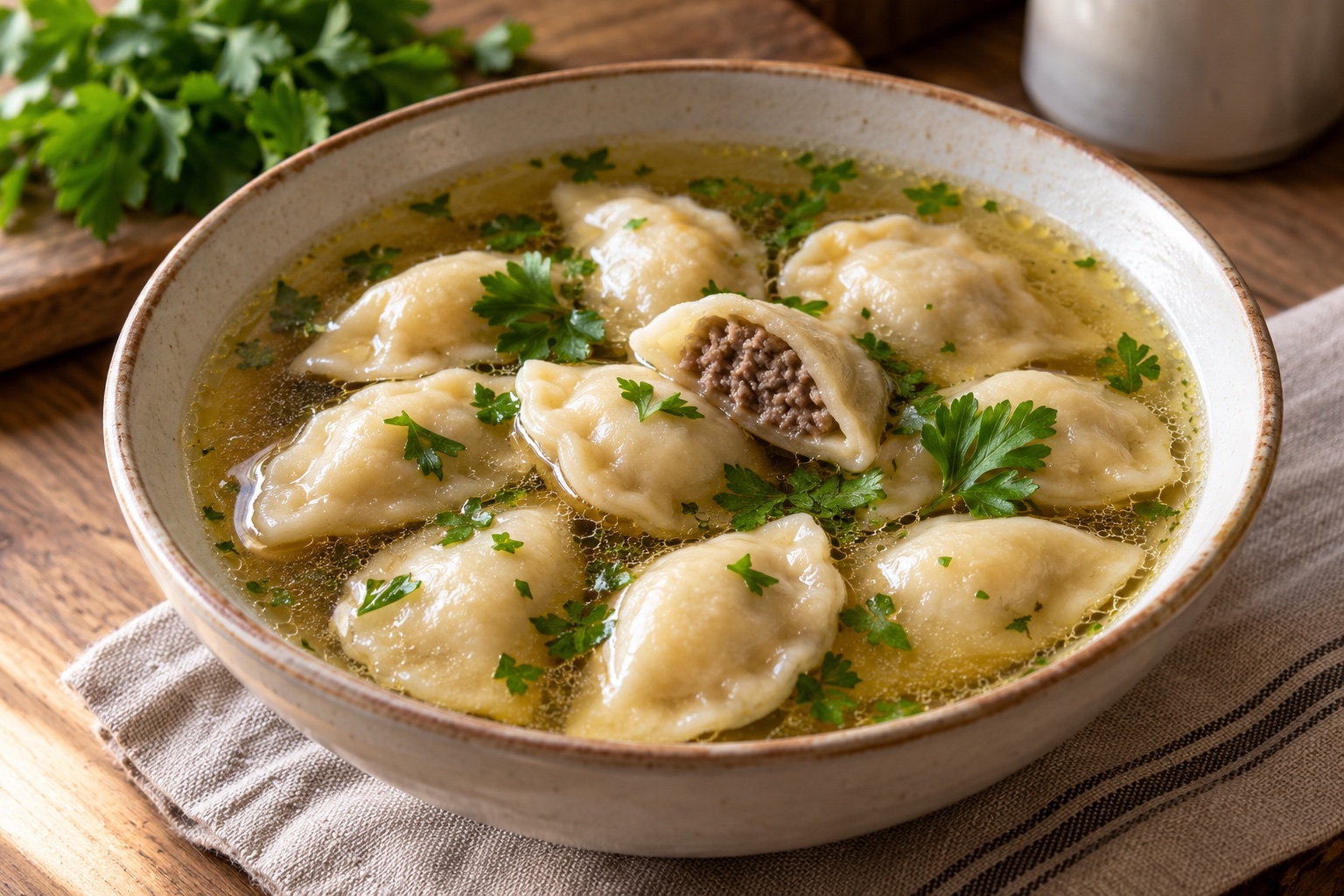
Small kołduny with thin dough, filled with raw beef filling cooked only inside the dumpling. With tight sealing, control of the filling, and served in broth.
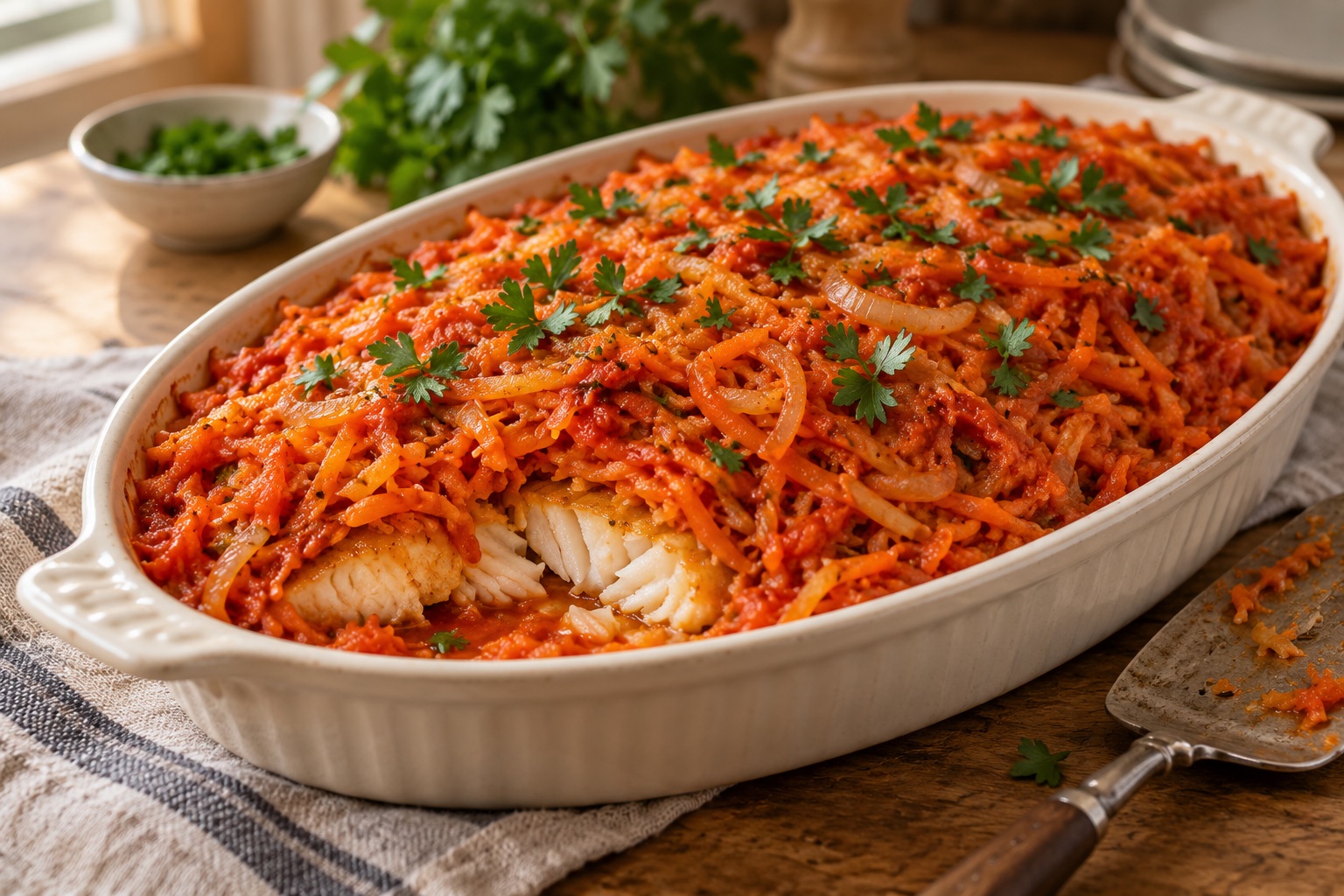
Fried pieces of white fish coated in flour, topped with a thick layer of stewed carrots, parsley root, celery, and onion with tomato paste, served cold or warm. This dish involves frying the fish so it doesn't fall apart or dry out, stewing the vegetables, and knowing how long it can be stored in the fridge and what types of fish, parsley, and tomato paste to look for abroad.
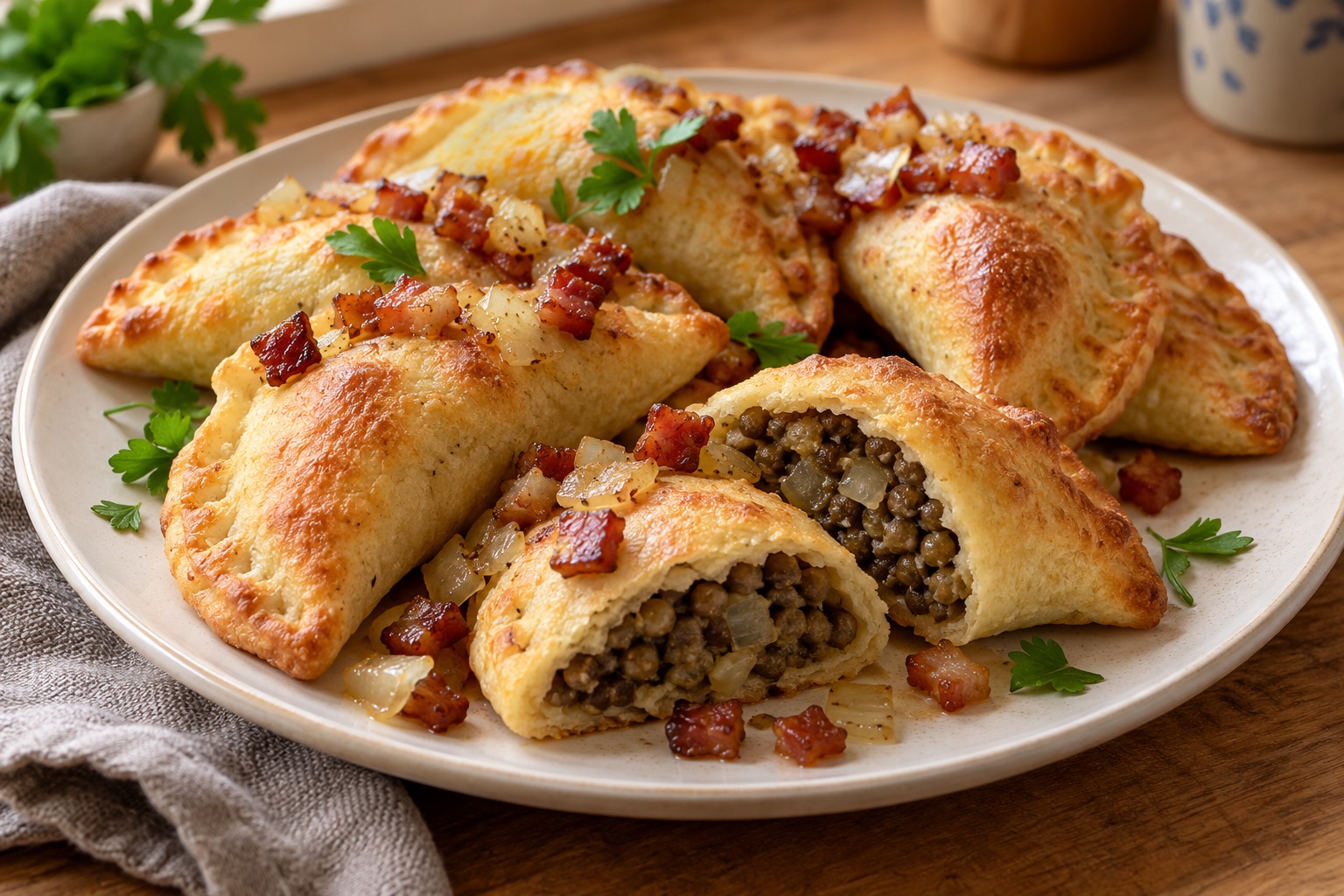
Baked dumplings made from potato dough, filled with green lentils and onions. Crispy skin, soft filling, and traditional topping with bacon.
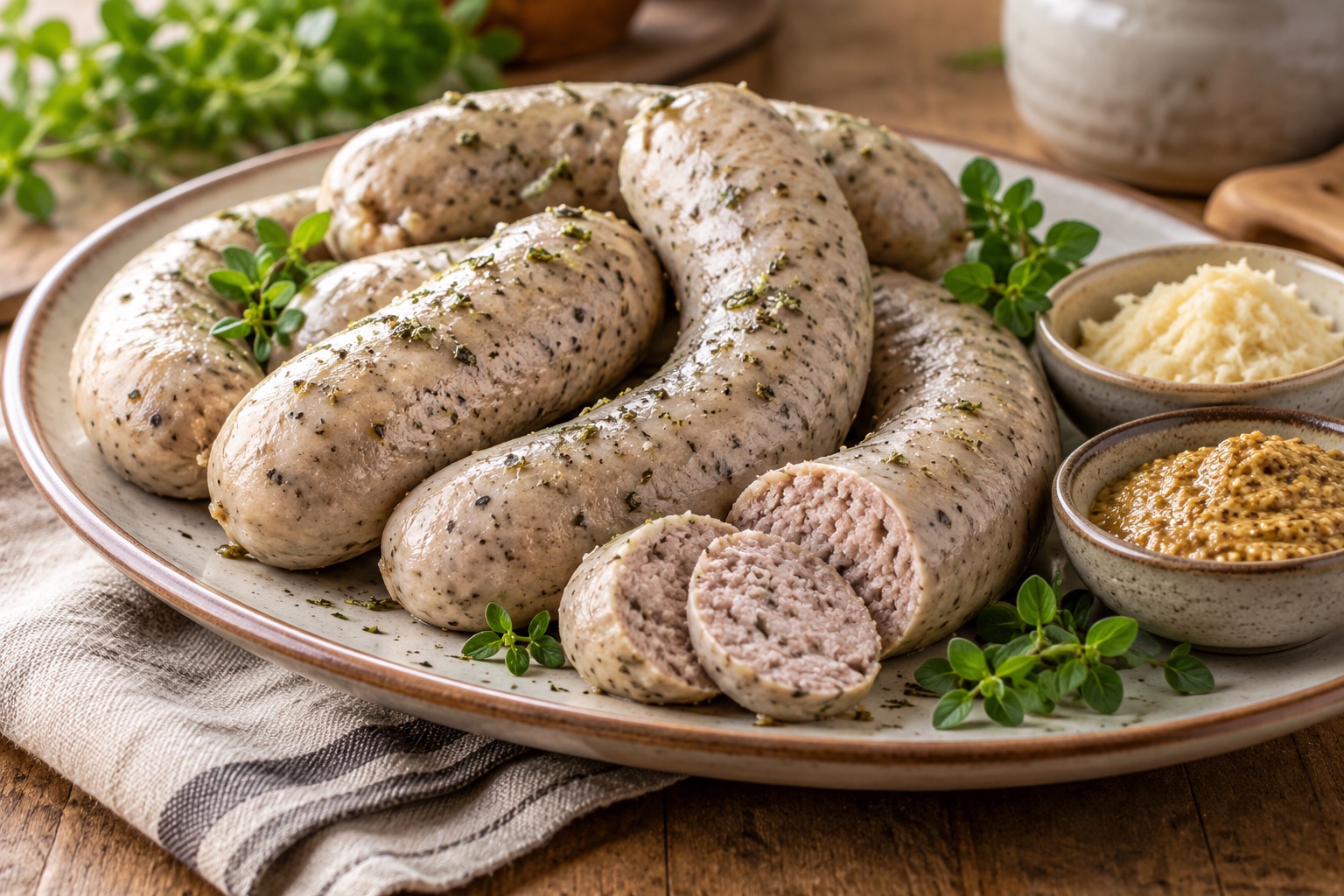
White sausage made from pork in natural casing: from two grinding sizes through kneading a sticky filling to stuffing and gentle poaching.
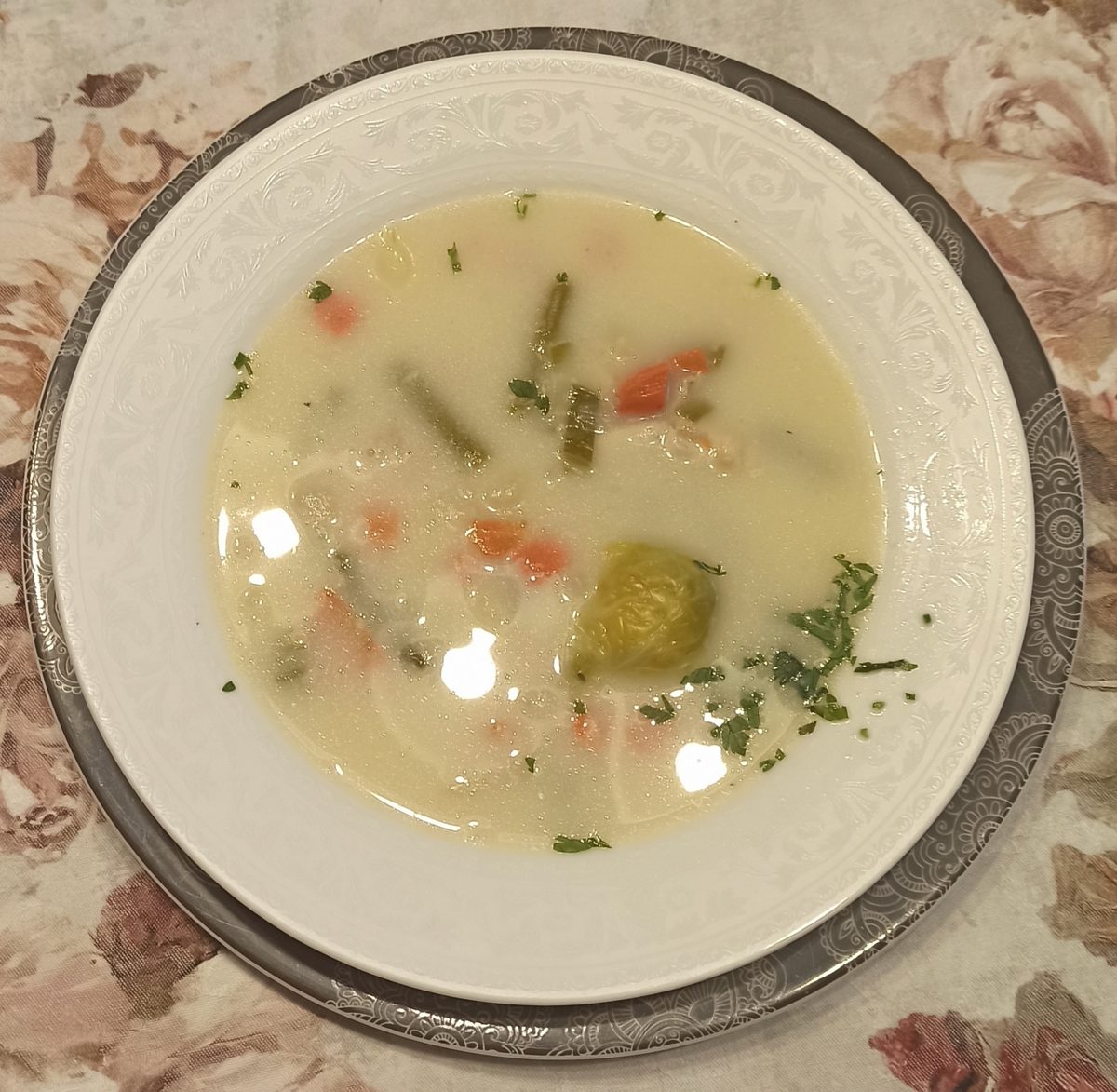
Homemade vegetable soup with potatoes, root vegetables, cauliflower, green beans, and peas, enriched with cream and sprinkled with dill. This includes the order of adding vegetables, how to temper the cream, and where to find parsley root and celeriac abroad.
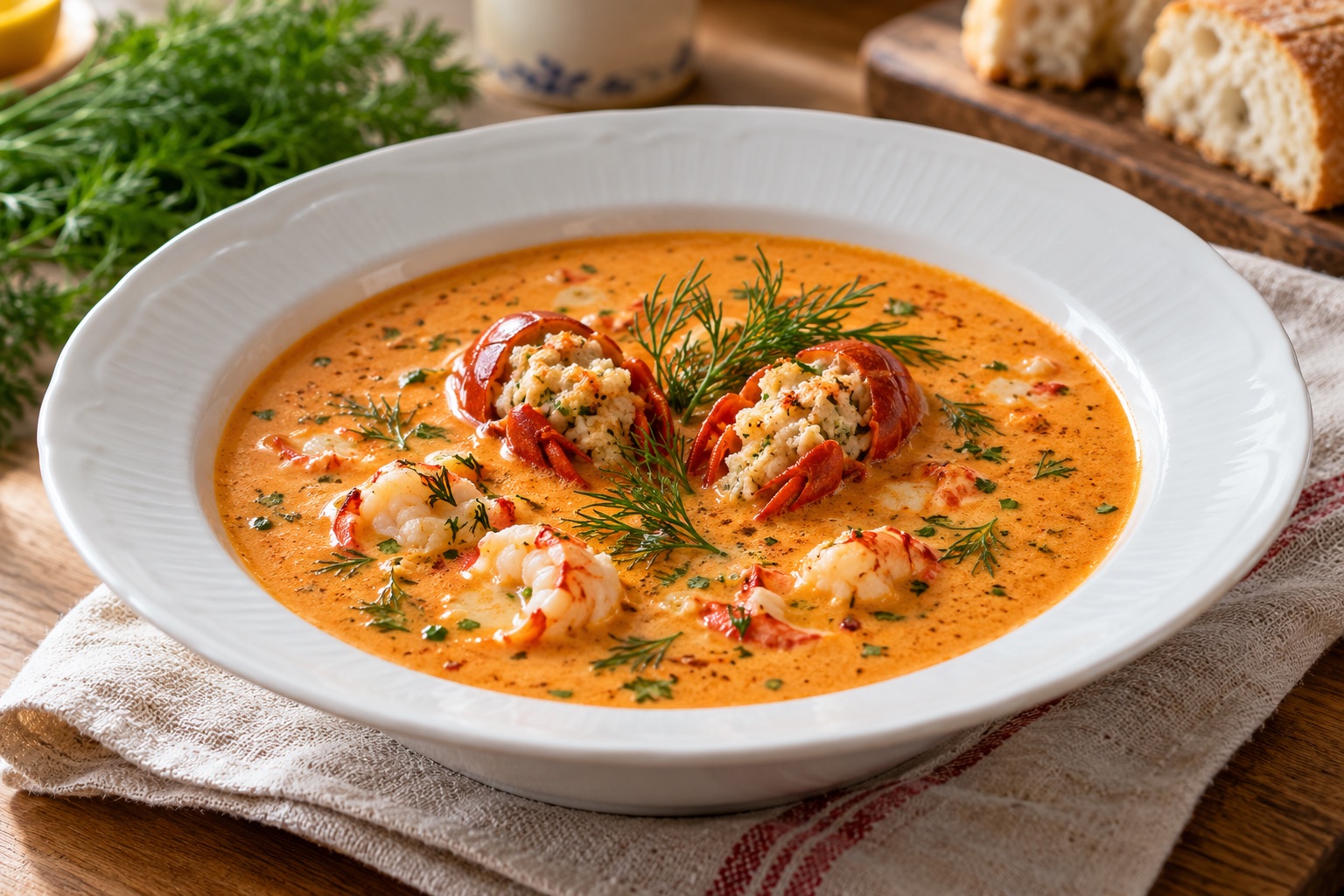
An old soup with an orange color obtained from crayfish butter. It involves separating the meat, straining the broth, and baking the filling in cleaned shells.
Family recipes, cooked at home for years and written down step by step.
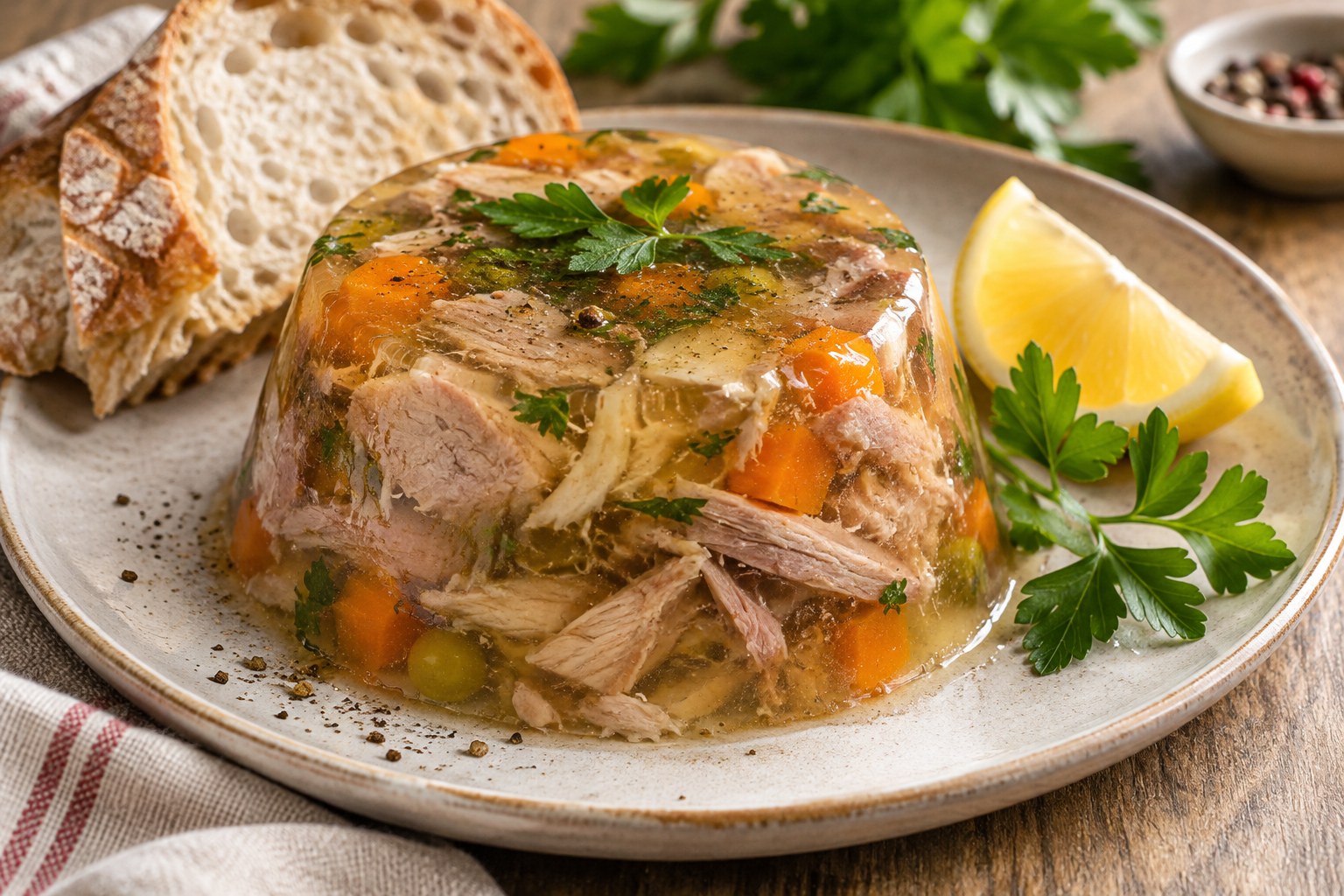
Homemade meat jelly made from pig trotters and pork hock, cooked with vegetables and spices. The trotters give the broth the right strength, allowing the jelly to set without gelatin. Serve it with lemon or vinegar. After cooking, it needs a few hours to cool.
A thick soup made from sauerkraut, pork ribs, potatoes, smoked bacon, caraway seeds, and marjoram. Includes tips on rinsing the cabbage, how to avoid oversalting the soup, and what sauerkraut to buy abroad.
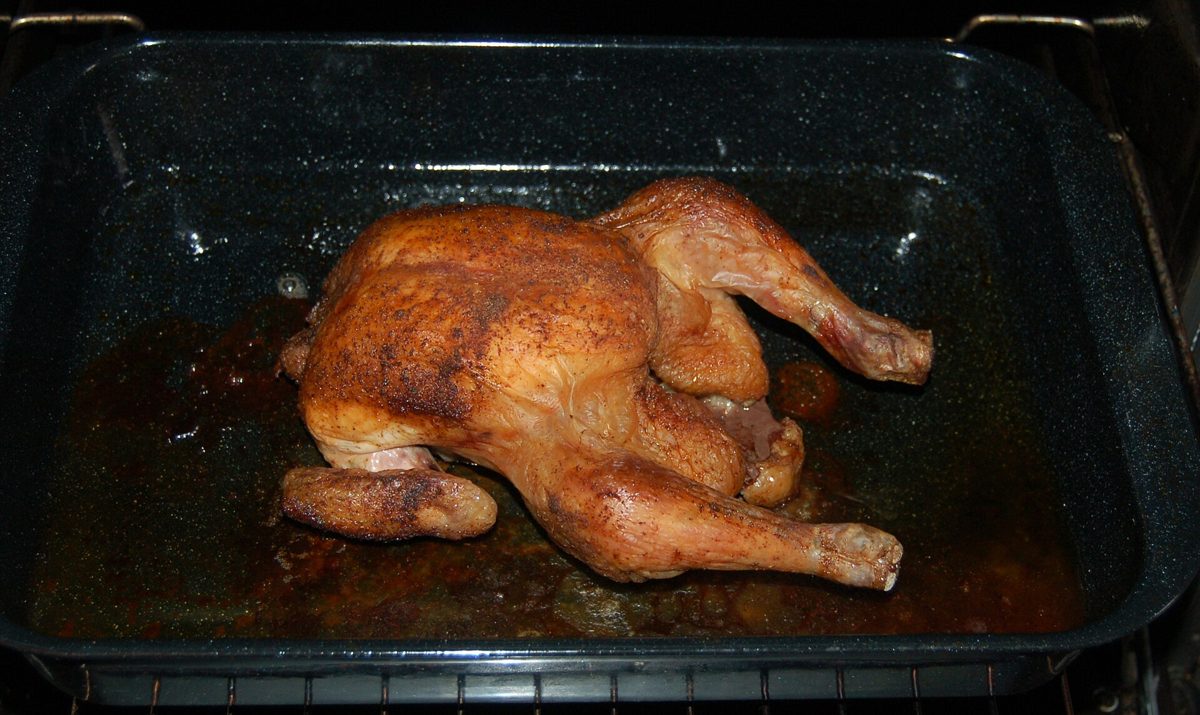
A whole chicken rubbed with salt, pepper, sweet paprika, garlic, and marjoram, roasted in a pan and basted with its own fat, with a stuffing of bread and liver if desired. Here’s how to roast it step by step, how to check with a thermometer if it’s ready, and what kind of chicken to buy abroad.
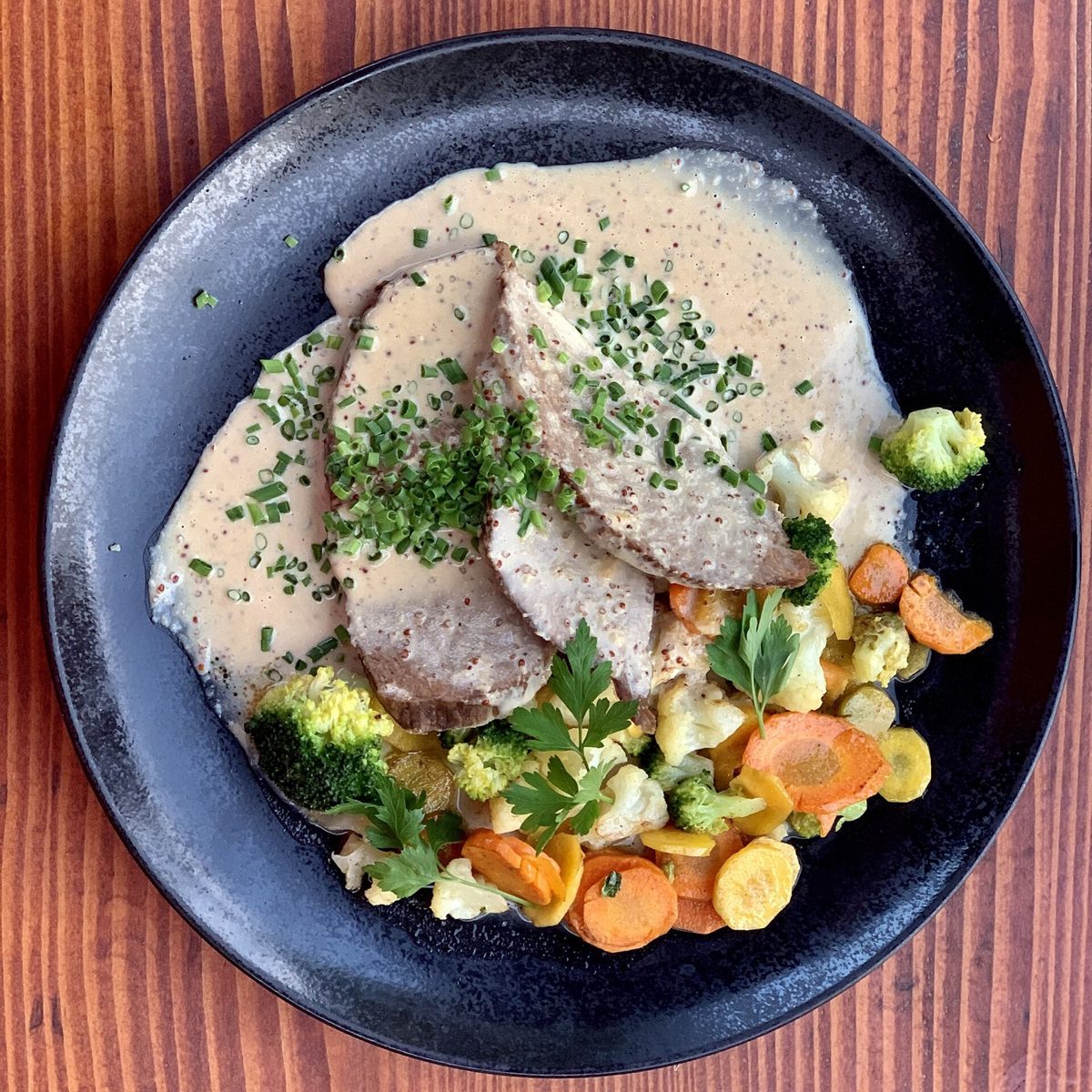
A piece of beef slowly cooked with root vegetables until tender, sliced against the grain, and topped with a light sauce made from roux, broth, cream, and horseradish. This includes tips on which cut of beef to buy in Poland and abroad, how to avoid losing the sharpness of horseradish, and the differences between 'prepared horseradish' and American 'horseradish sauce.'
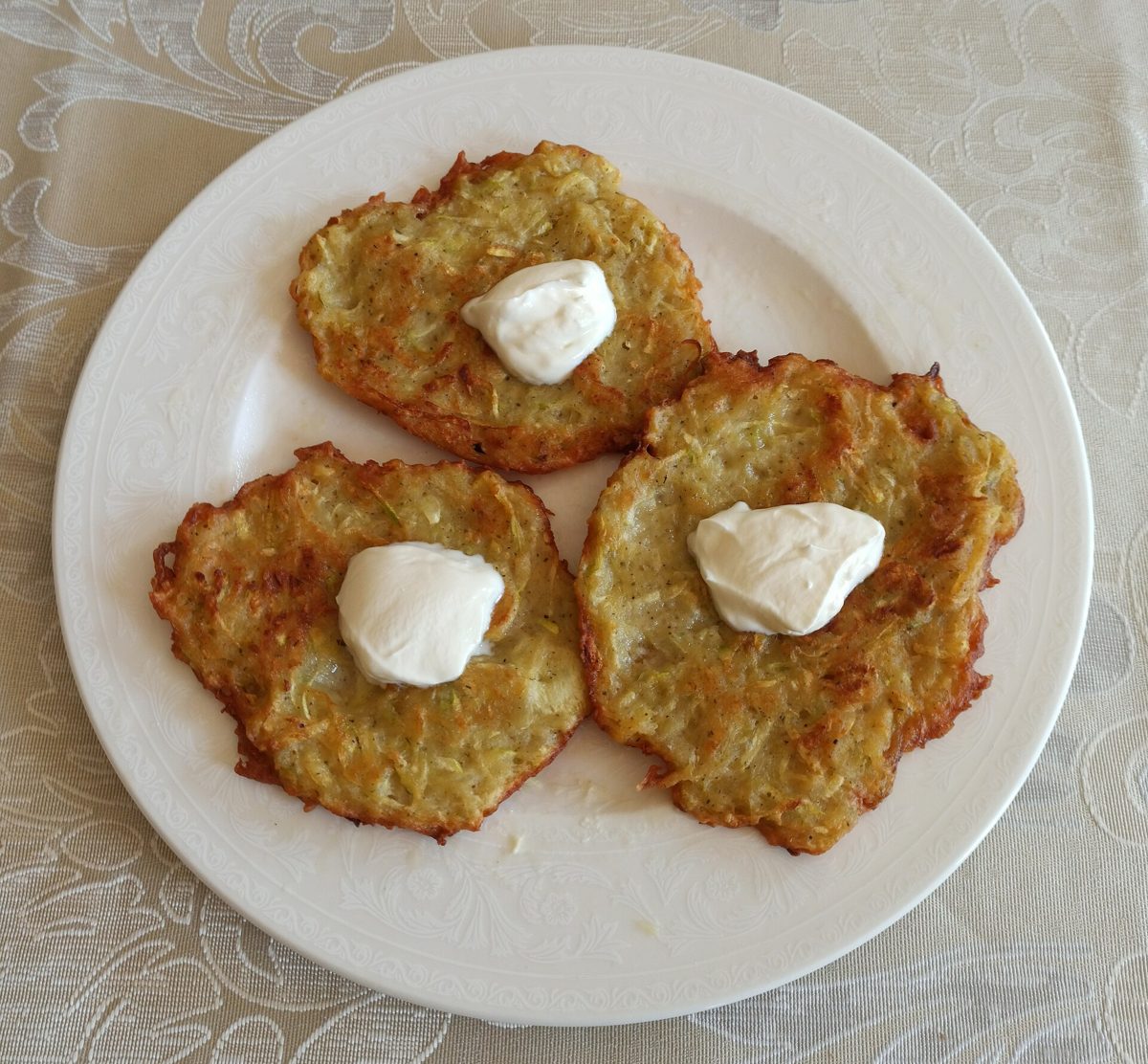
Homemade zucchini fritters made with grated zucchini, eggs, flour, garlic, and dill, fried in a pan and served with garlic yogurt sauce or sour cream. Tips on how to remove water from zucchini to prevent the fritters from falling apart, and what to buy abroad.
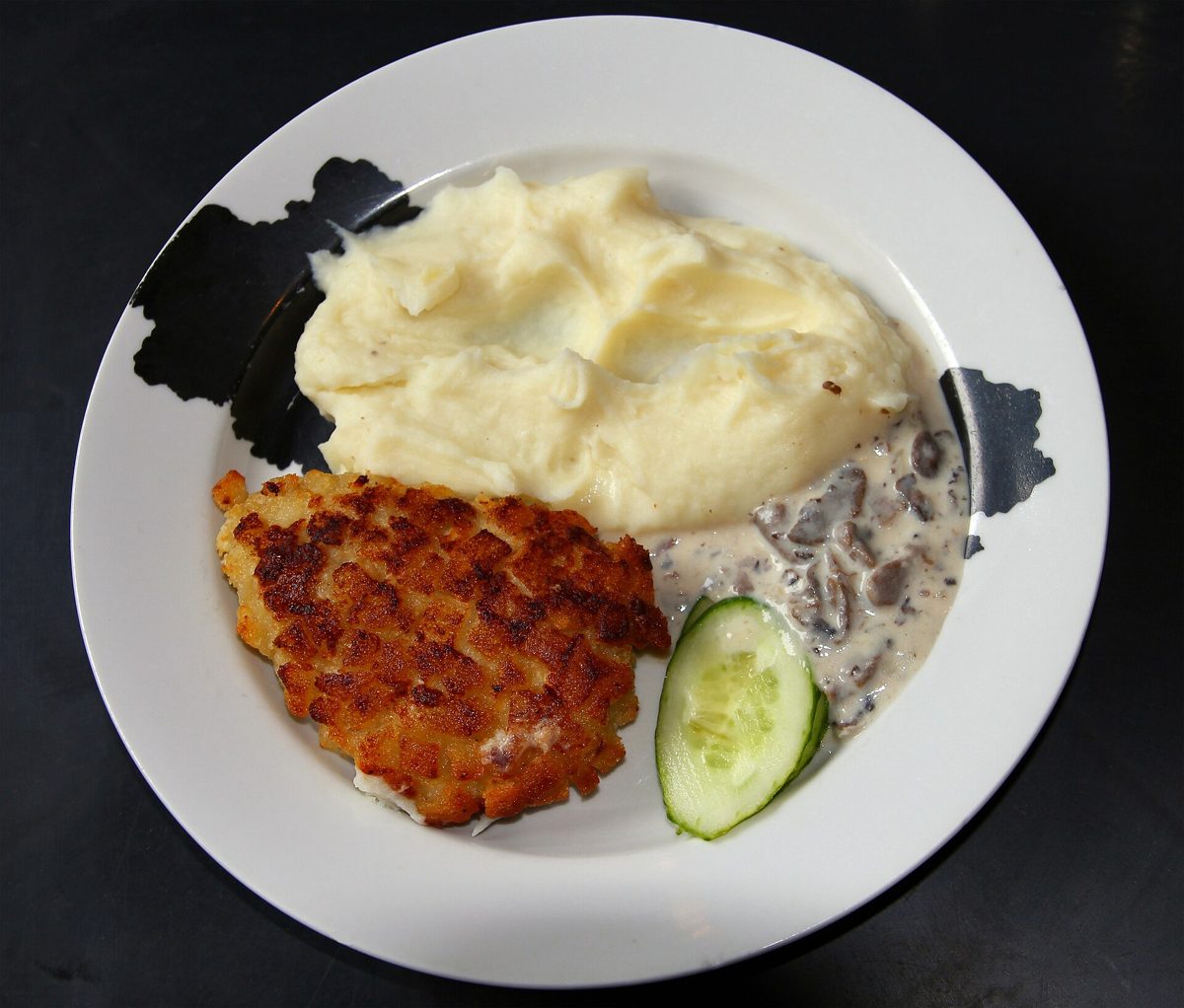
Delicate minced chicken cutlets with a lot of butter and soaked bread, coated in small bread cubes, briefly fried and then baked in the oven. This is what distinguishes them from regular meatballs and where their name comes from.