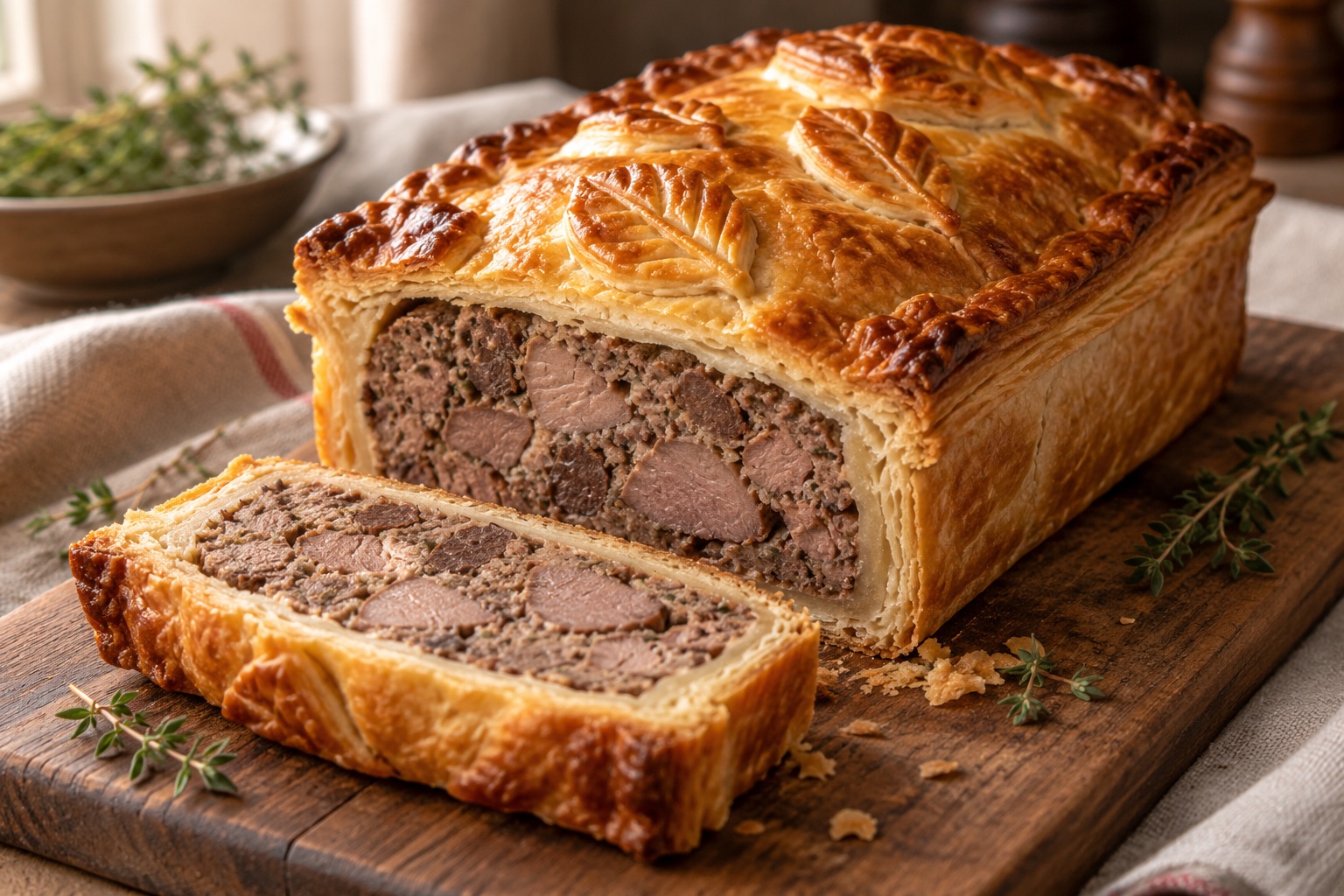
Hare Pâté in Homemade Puff Pastry
Pâté with pieces of braised hare, pork, and liver under a crispy puff pastry. With a plan for folding the dough, cooling the filling, and baking.

Tried and tested recipes, including the ones brought from home. For the ingredients we tell you what to use instead abroad.
Pâté with pieces of braised hare, pork, and liver under a crispy puff pastry. With a plan for folding the dough, cooling the filling, and baking.
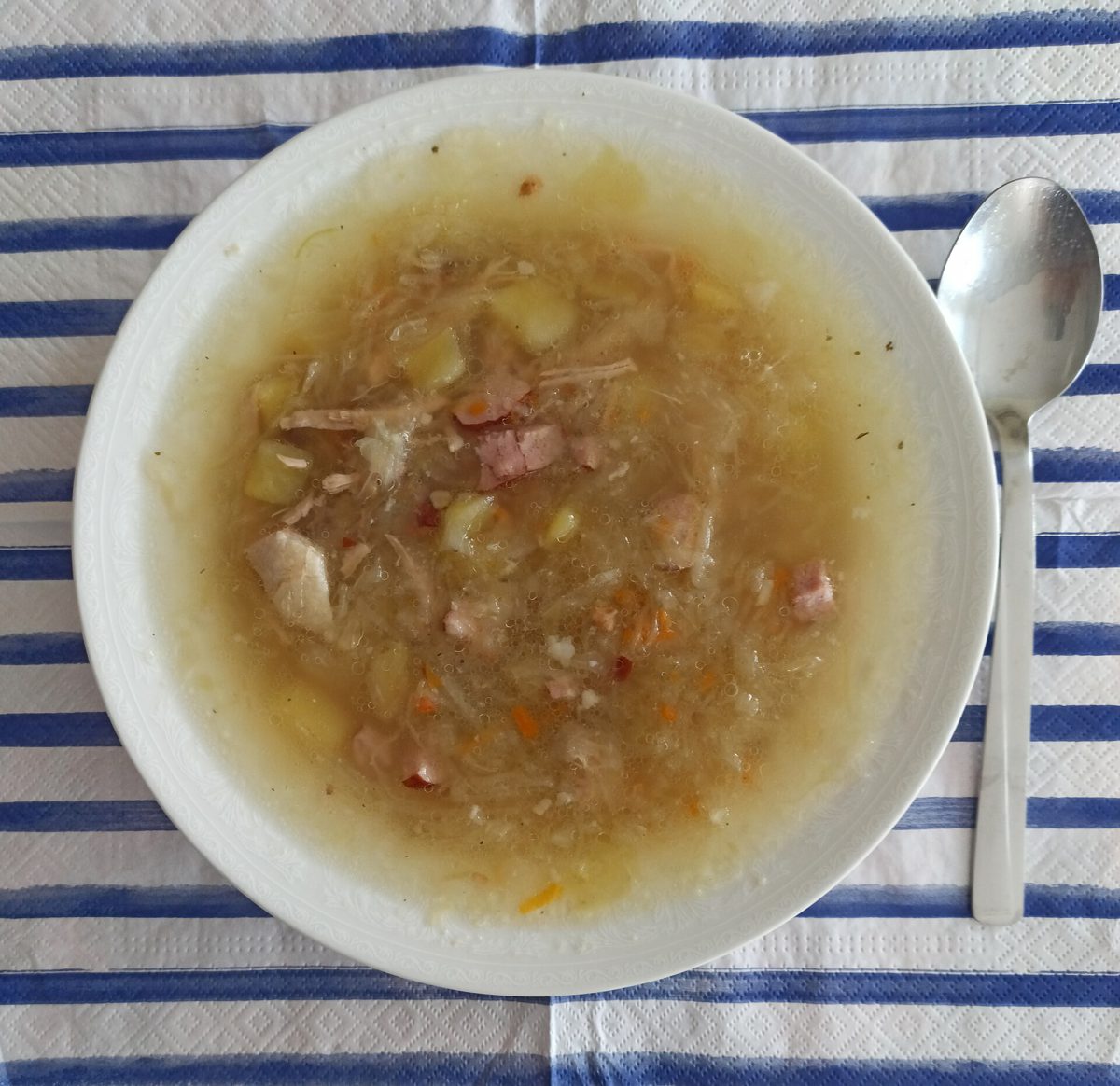
A thick soup made from sauerkraut, pork ribs, potatoes, smoked bacon, caraway seeds, and marjoram. Includes tips on rinsing the cabbage, how to avoid oversalting the soup, and what sauerkraut to buy abroad.
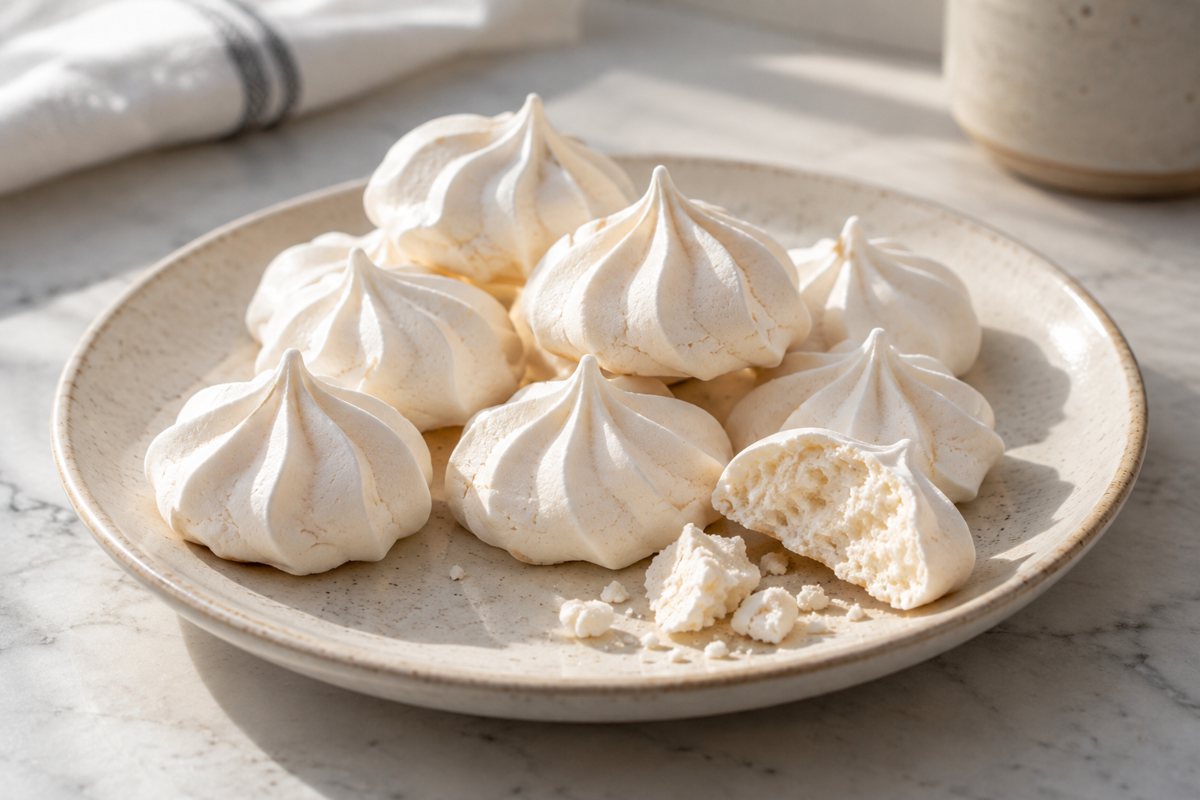
Crispy meringues made from egg whites and caster sugar. Learn how to achieve a glossy meringue, form even portions, and recognize when the centers are dry before storing the meringues in a box.
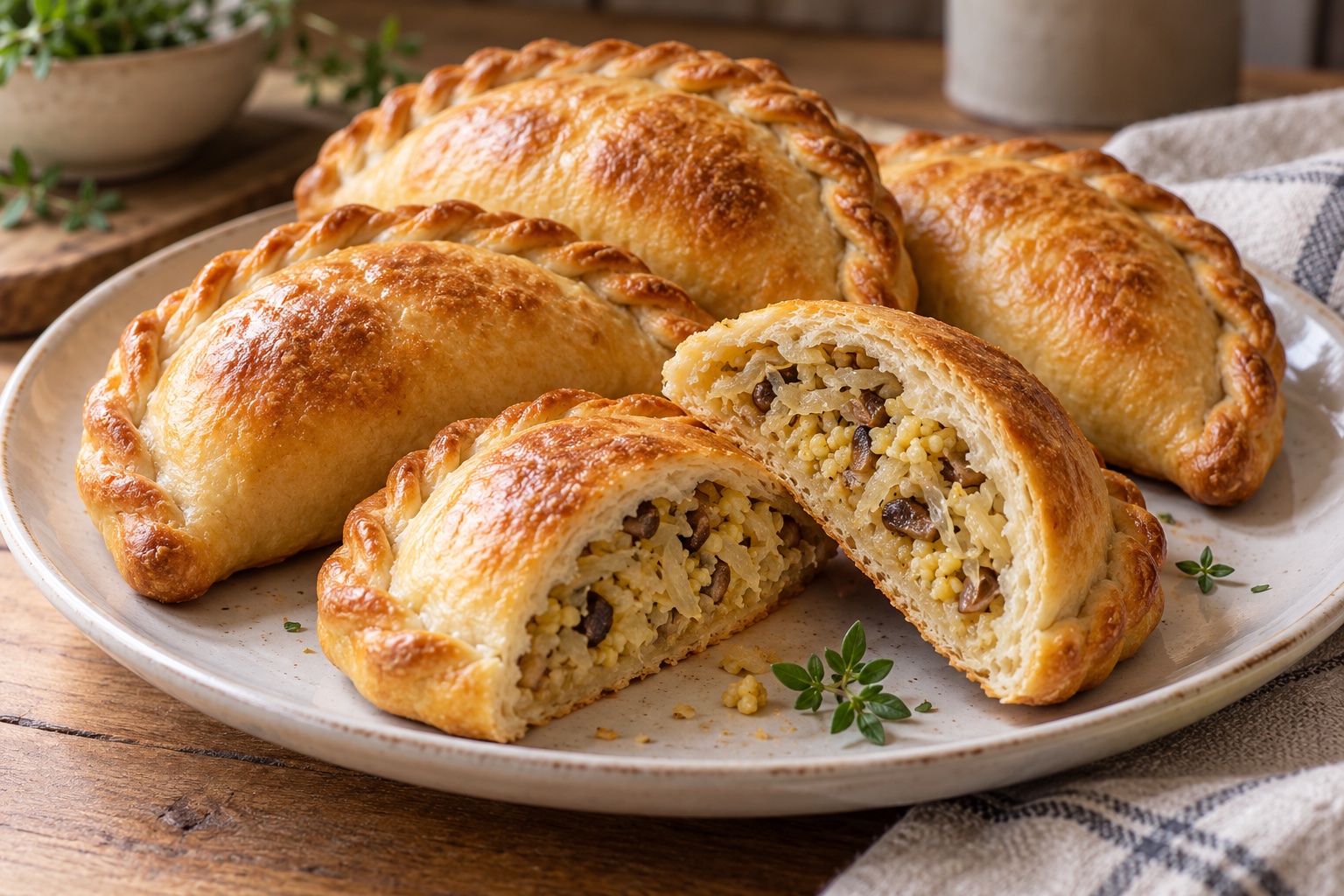
Large baked yeast dumplings filled with sauerkraut, millet, and dried mushrooms. A meatless version with a decorative edge sealing.
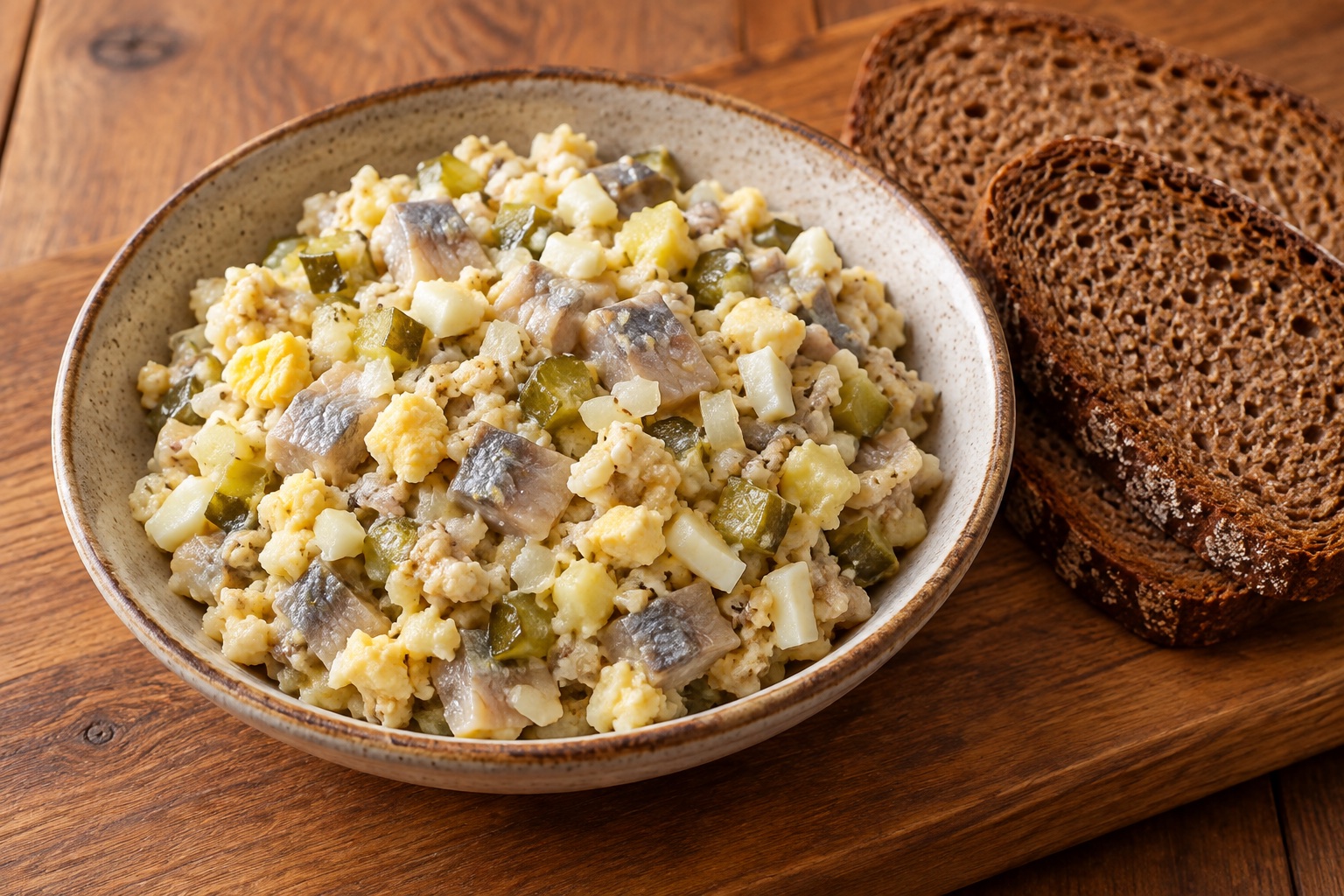
Finely chopped herring with egg, pickled cucumber, onion, and mustard. With control over saltiness and draining ingredients to prevent the paste from becoming watery.
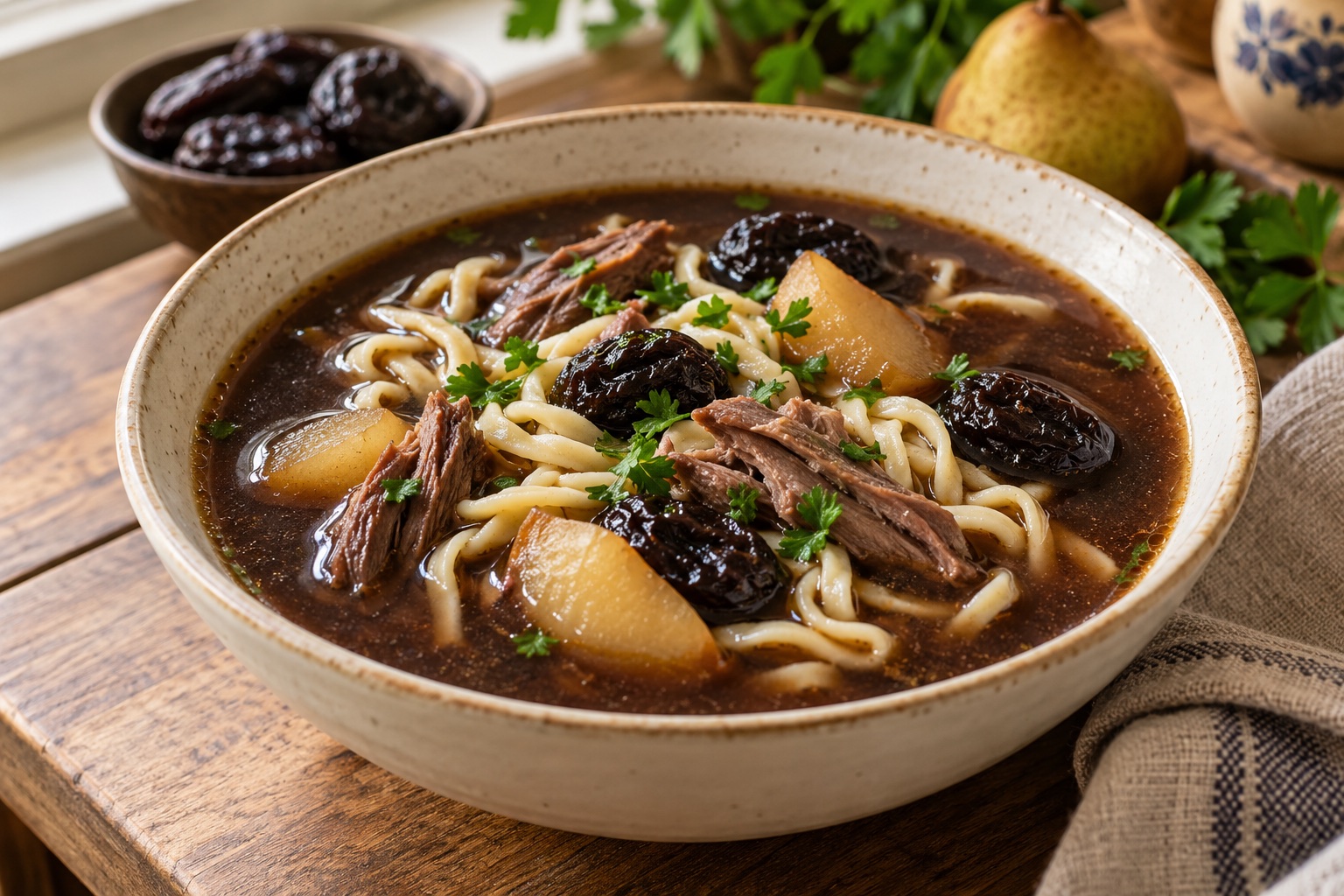
A traditional black soup made with duck, dried plums, and pears, along with thin egg noodles. It requires careful tempering and gentle heating of the soup.
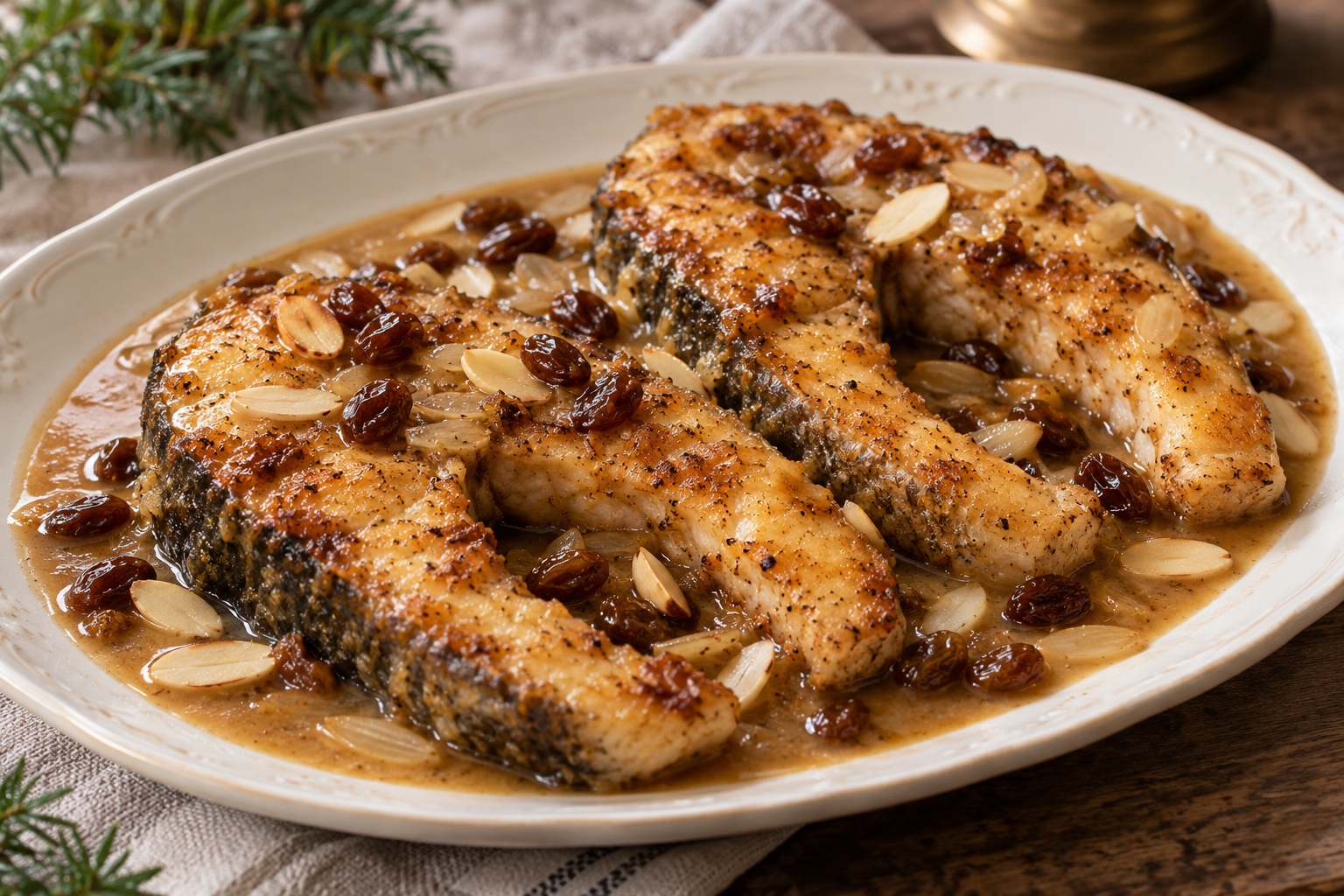
Fried carp fillets in a sweet and sour sauce made from caramel, red wine, raisins, and almonds. A variant without blood and gingerbread, with a separate preparation of the sauce.
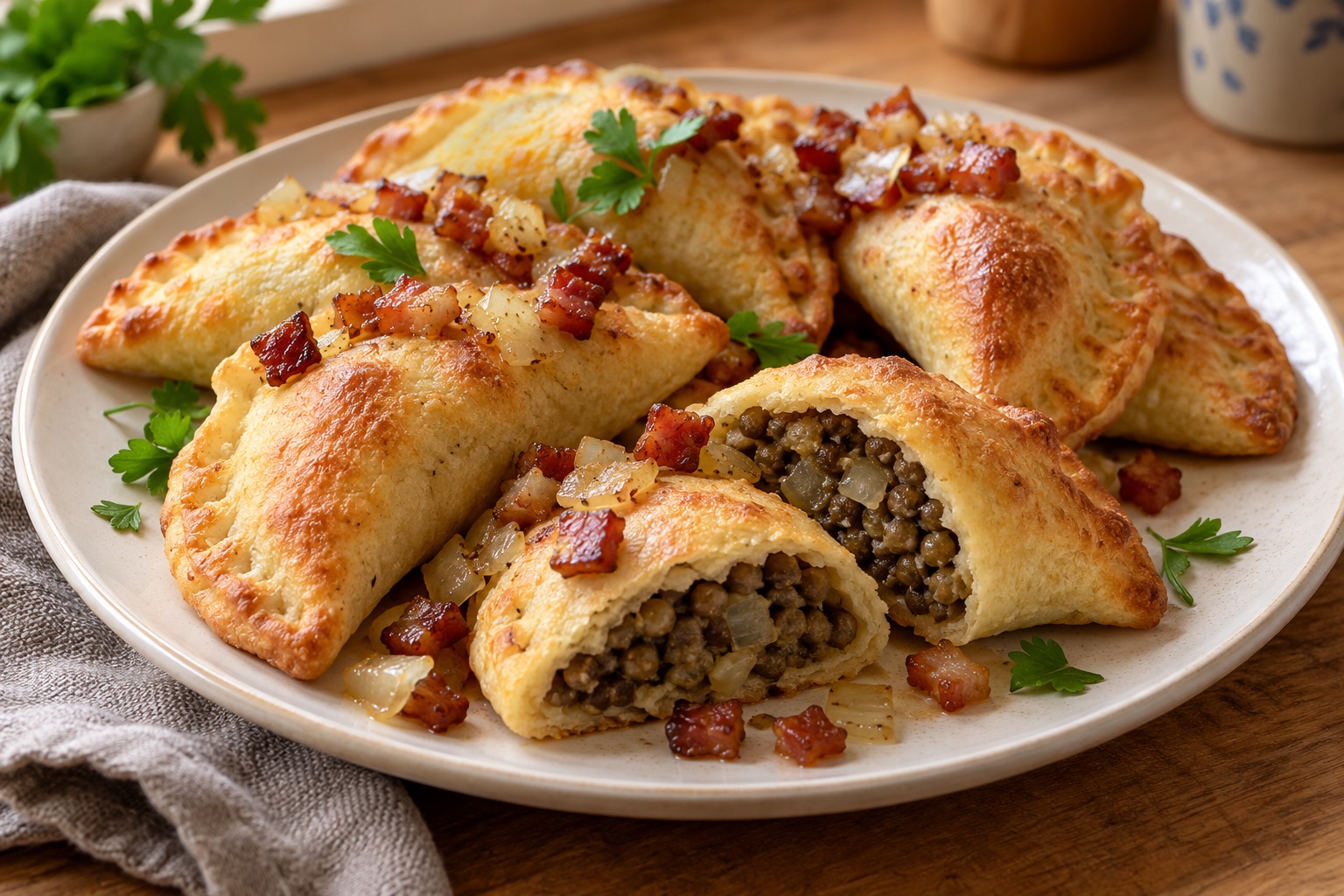
Baked dumplings made from potato dough, filled with green lentils and onions. Crispy skin, soft filling, and traditional topping with bacon.
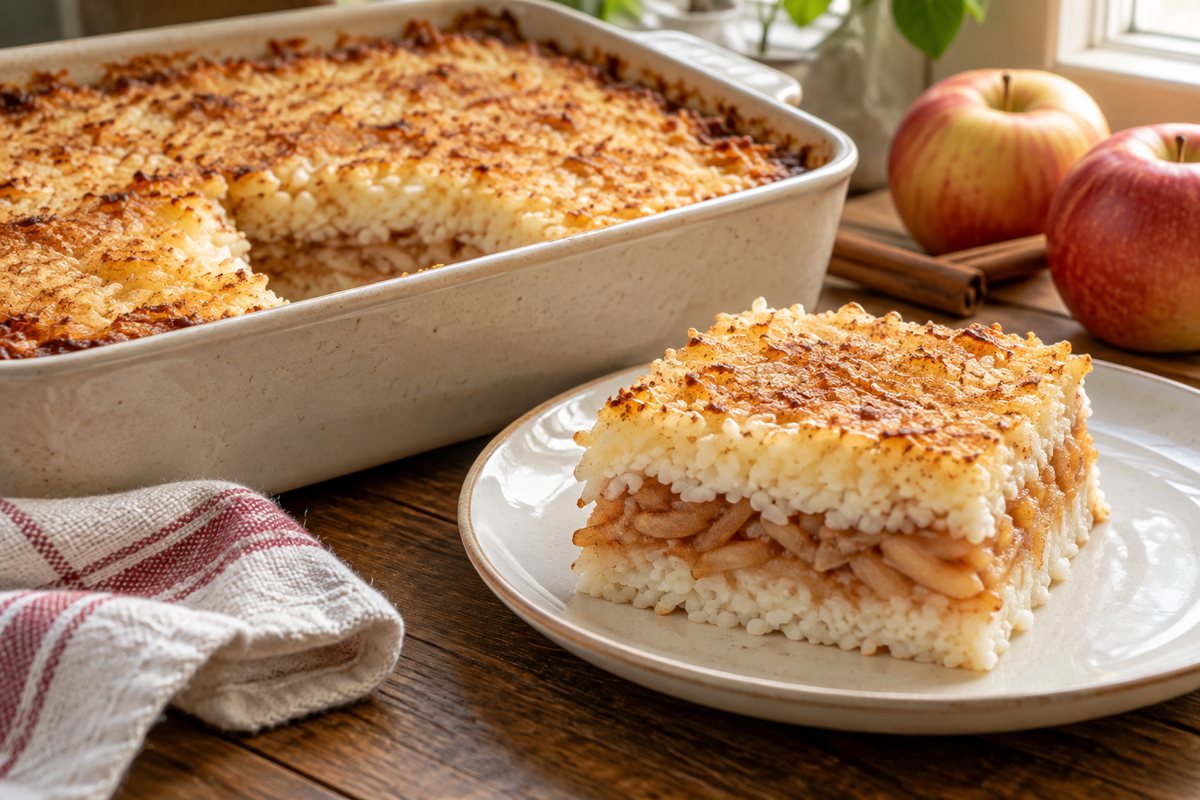
A homemade casserole made with creamy rice, sautéed apples, and cinnamon. Layers without eggs, using tart apples, and precise cooling and reheating guidelines.
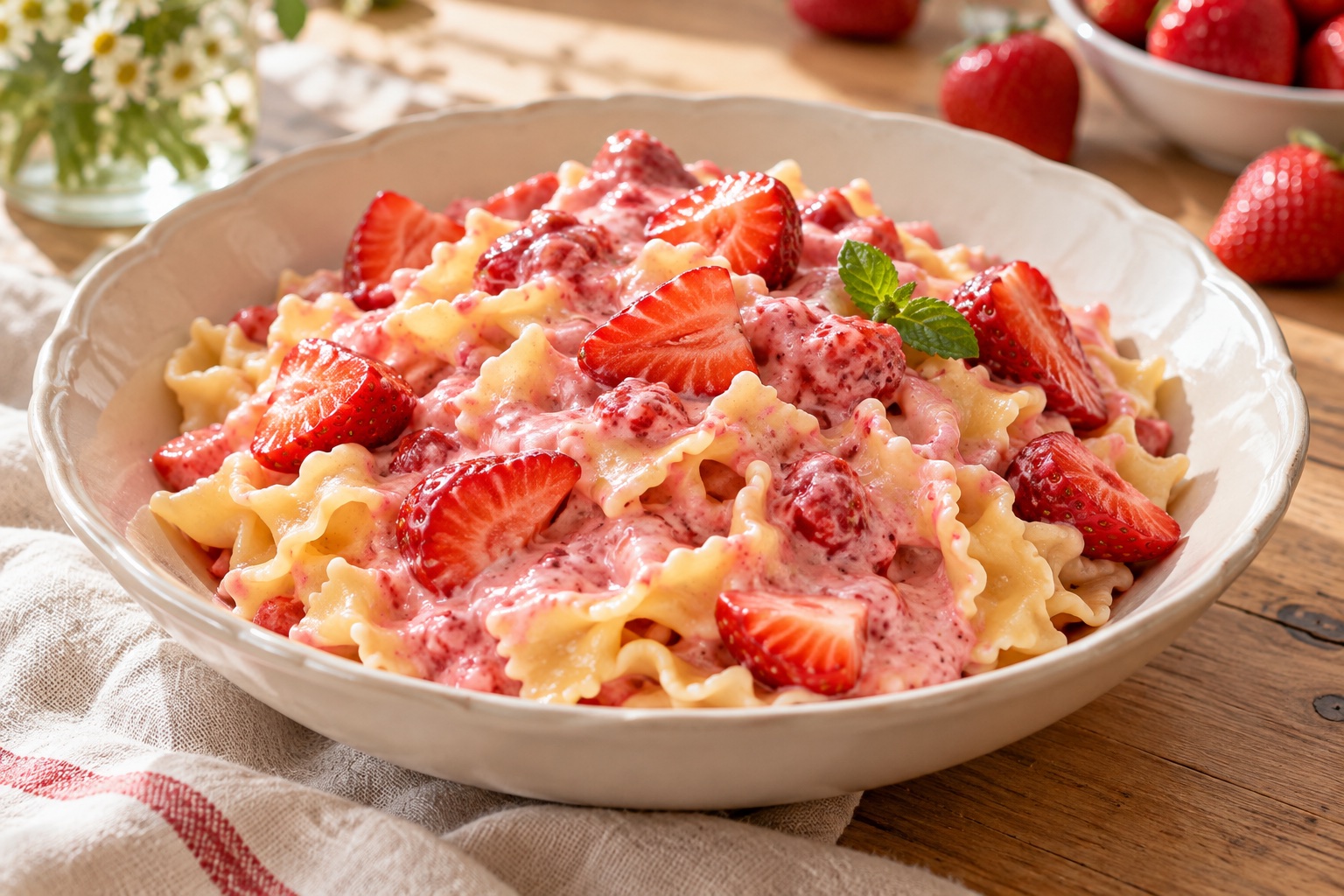
A summer meal from my childhood: cooked pasta topped with strawberries mashed with sugar and sour cream. It includes how to make the sauce smooth or with fruit pieces, and what pasta and cream to use as substitutes for Polish products in the USA, the UK, and Germany.
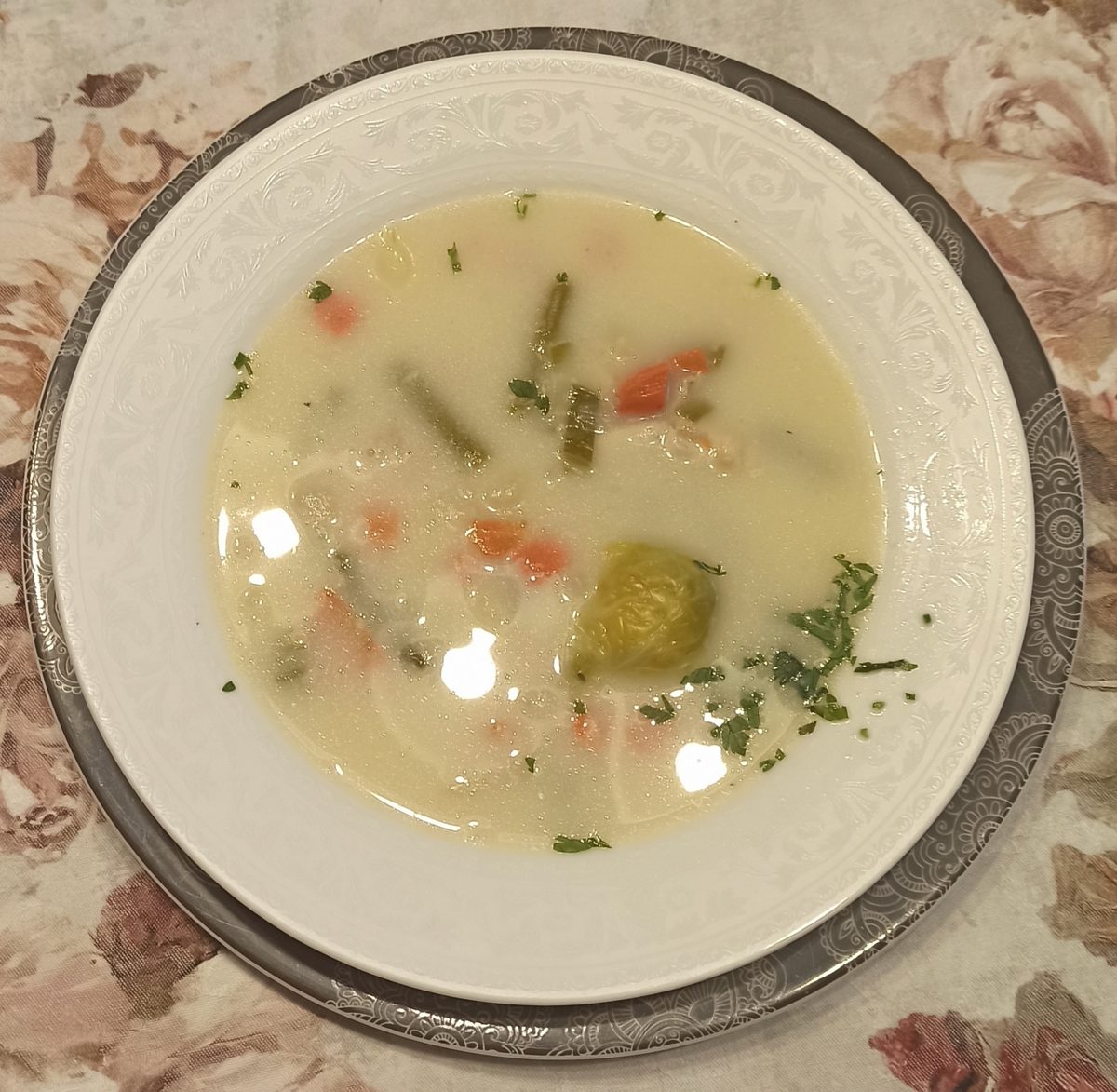
Homemade vegetable soup with potatoes, root vegetables, cauliflower, green beans, and peas, enriched with cream and sprinkled with dill. This includes the order of adding vegetables, how to temper the cream, and where to find parsley root and celeriac abroad.
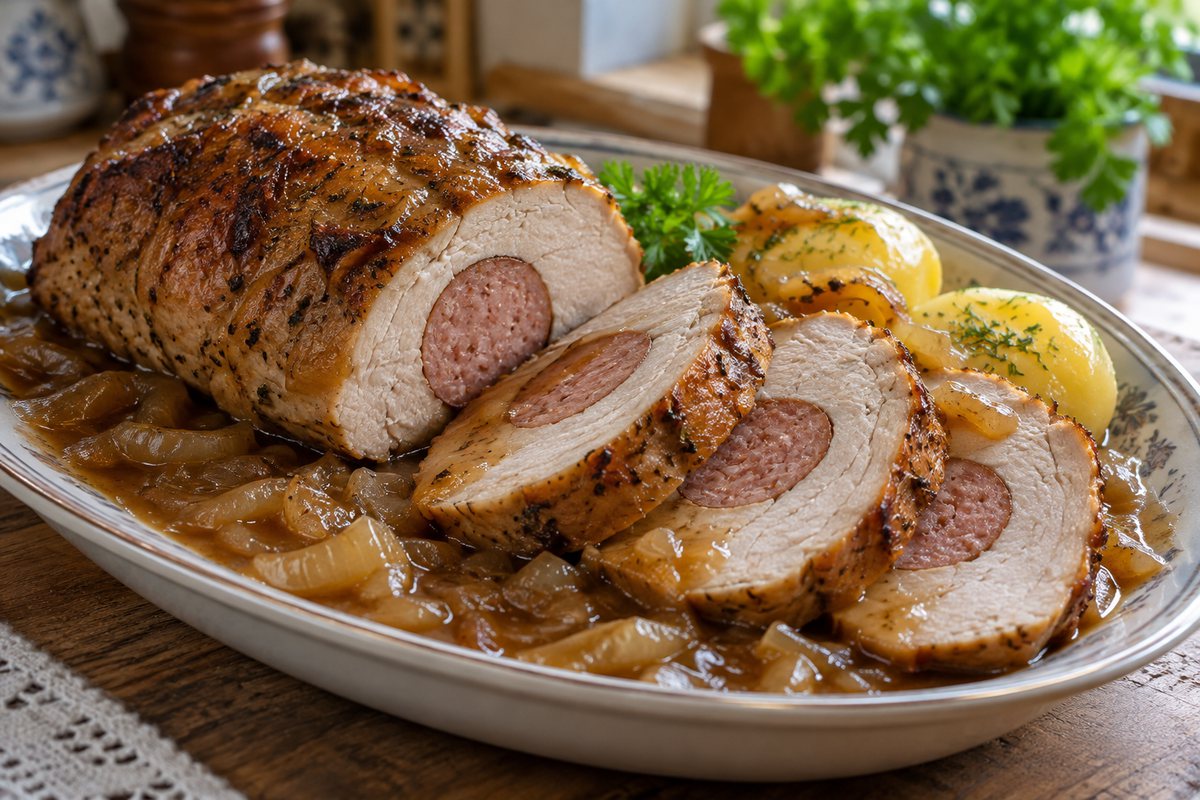
Silesian roast pork loin with sausage inside and onion sauce. How to make a tunnel, tie the meat, control the temperature, and cut even slices.

Soft, thin pancakes with a delicate layer of hazelnut cocoa cream. How to spread the batter, fry flexible pancakes, and fill them so that the filling doesn't ooze out.
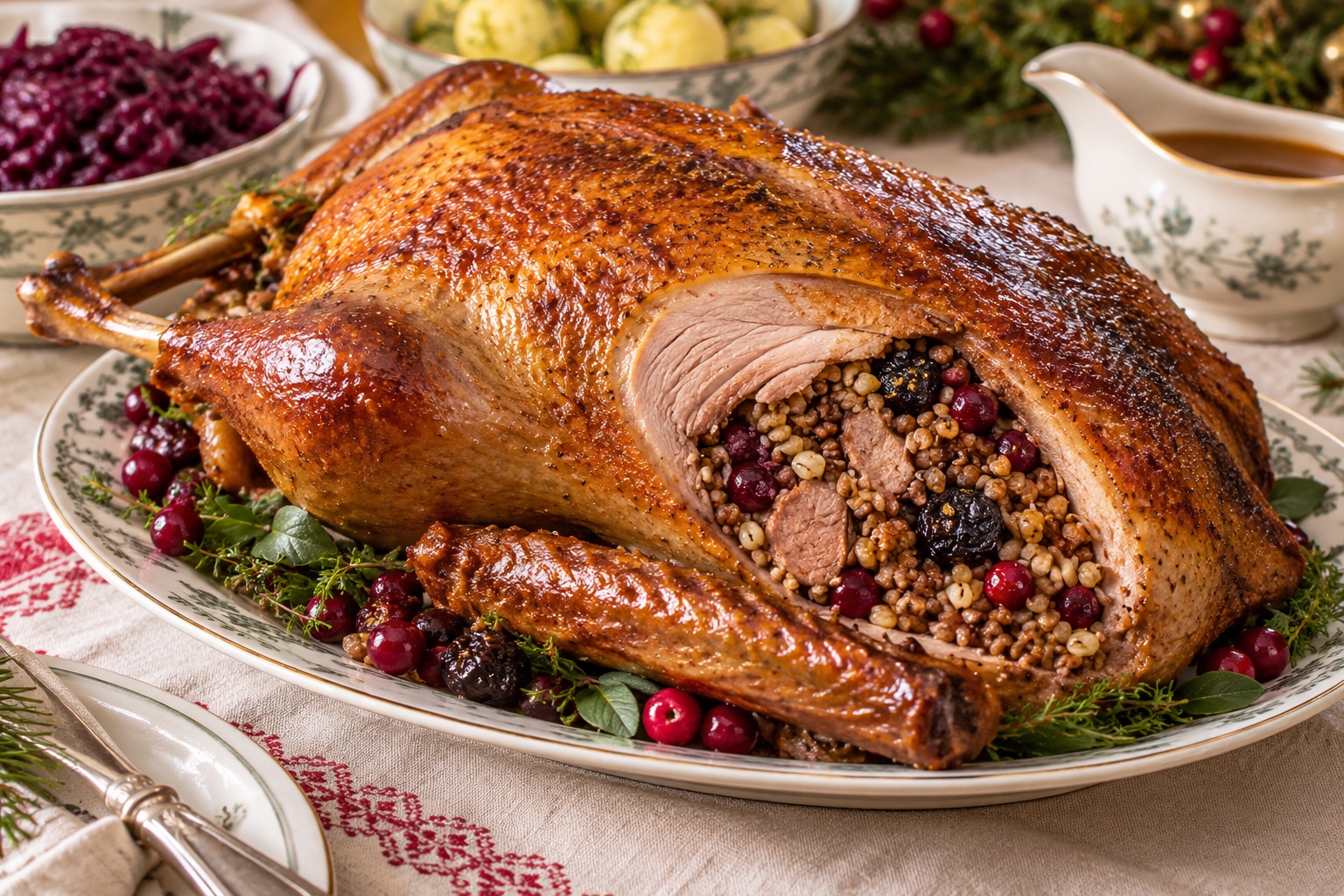
A boneless goose body filled with a mixture of two grains, offal, and dried fruits. A detailed guide on deboning, tying, and roasting with temperature control.
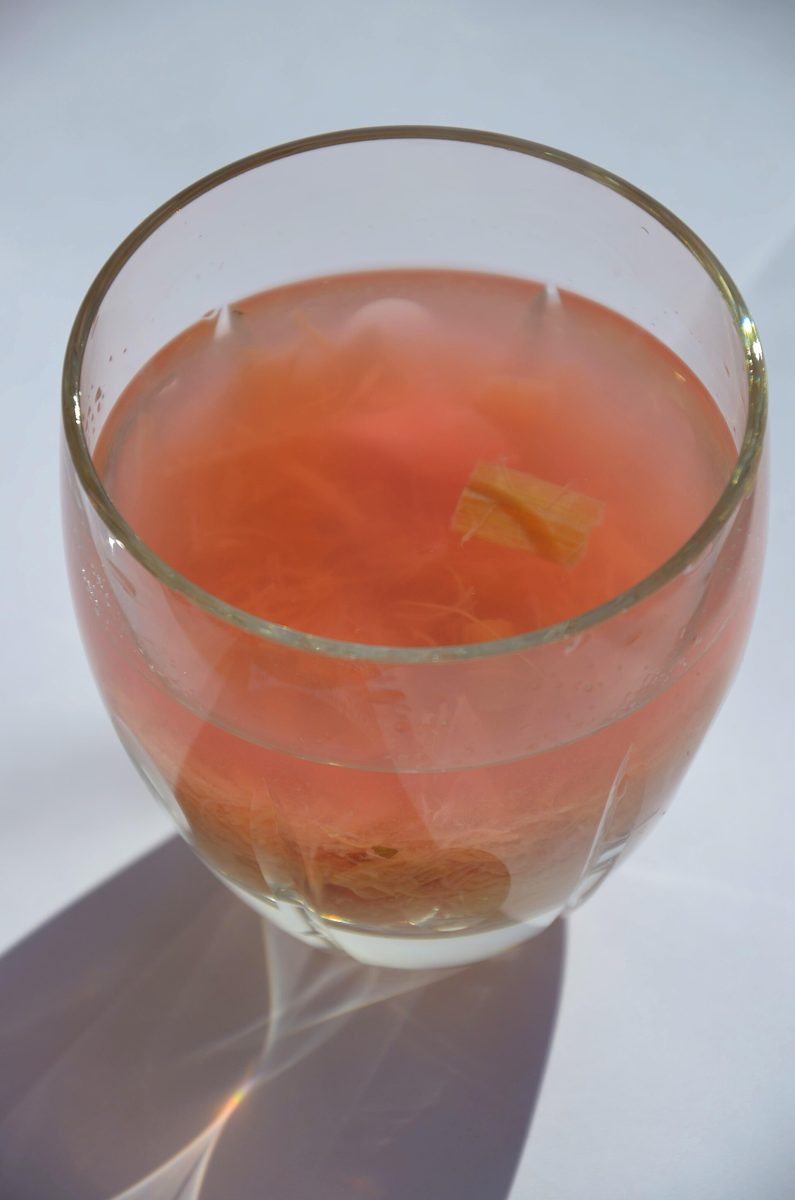
Homemade pink rhubarb compote, cooked in spring with stalks, water, and sugar, and enjoyed chilled with ice and mint. Learn how to achieve a nice color, how long to cook it, and what to buy when looking for rhubarb abroad.
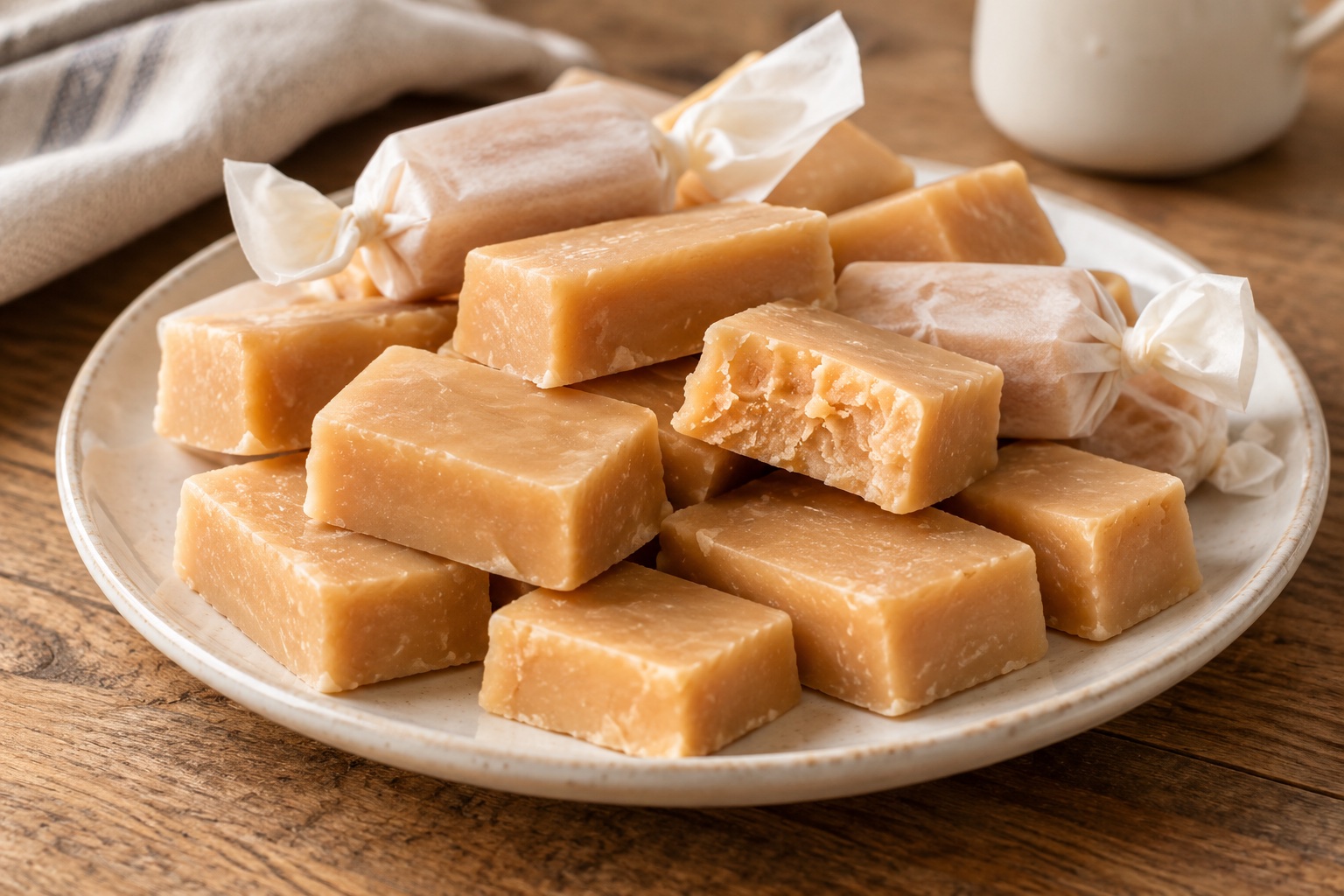
Milk-caramel candies made from unsweetened evaporated milk, butter, and sugar. With temperature control, consistency testing, and cutting after cooling.
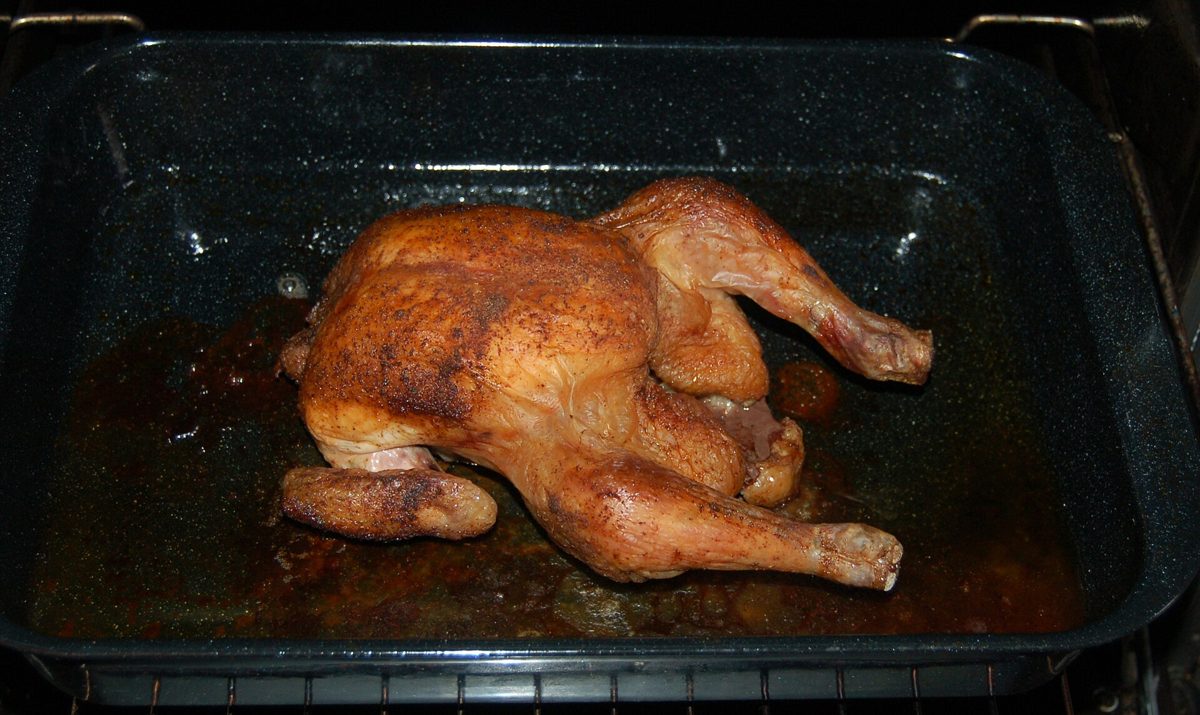
A whole chicken rubbed with salt, pepper, sweet paprika, garlic, and marjoram, roasted in a pan and basted with its own fat, with a stuffing of bread and liver if desired. Here’s how to roast it step by step, how to check with a thermometer if it’s ready, and what kind of chicken to buy abroad.
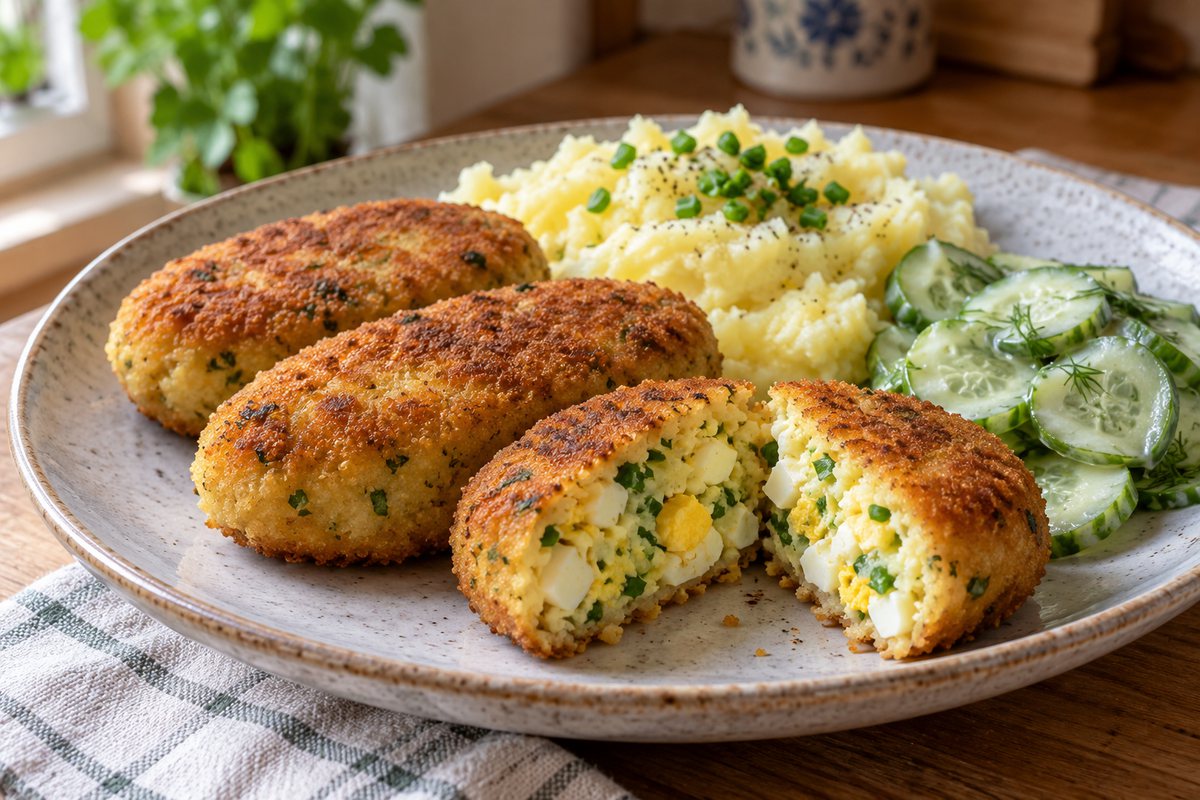
Golden patties made from finely chopped hard-boiled eggs and chives, with a thin breadcrumb coating. How to bind the mixture and fry them without falling apart.
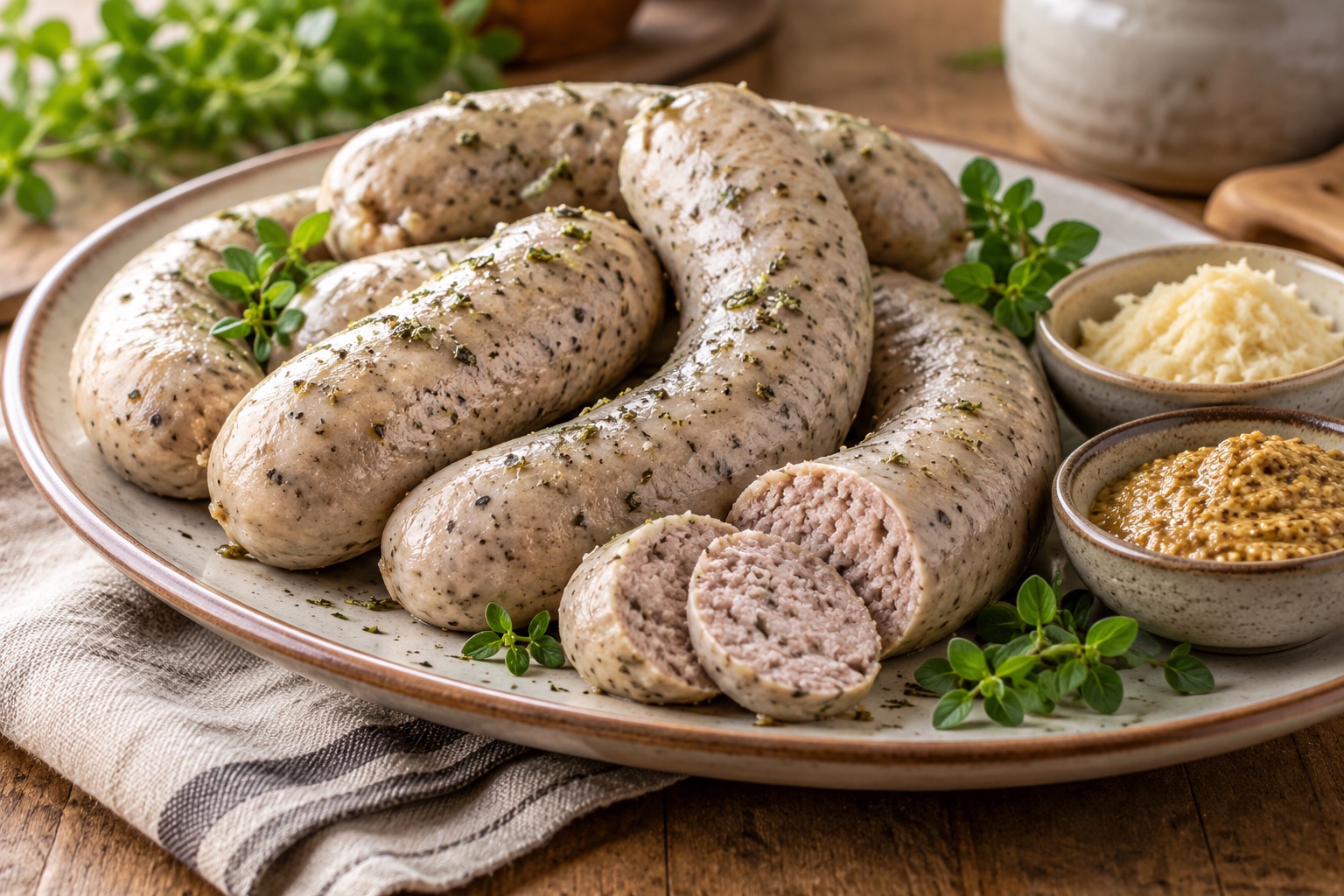
White sausage made from pork in natural casing: from two grinding sizes through kneading a sticky filling to stuffing and gentle poaching.
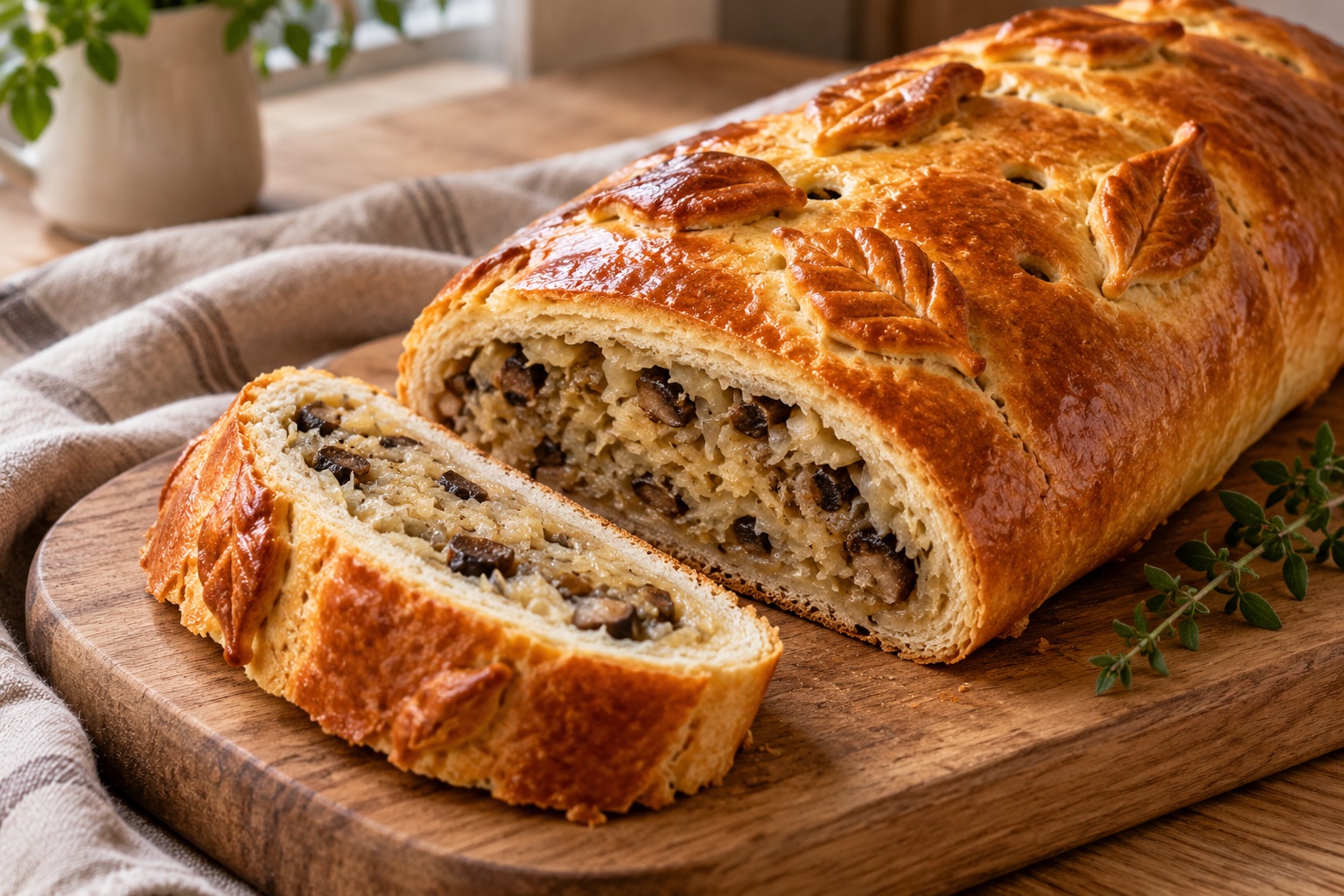
A large, golden-brown strudel made from soft yeast dough, filled with sauerkraut and dried mushrooms. Best sliced into thick pieces and served with borscht.
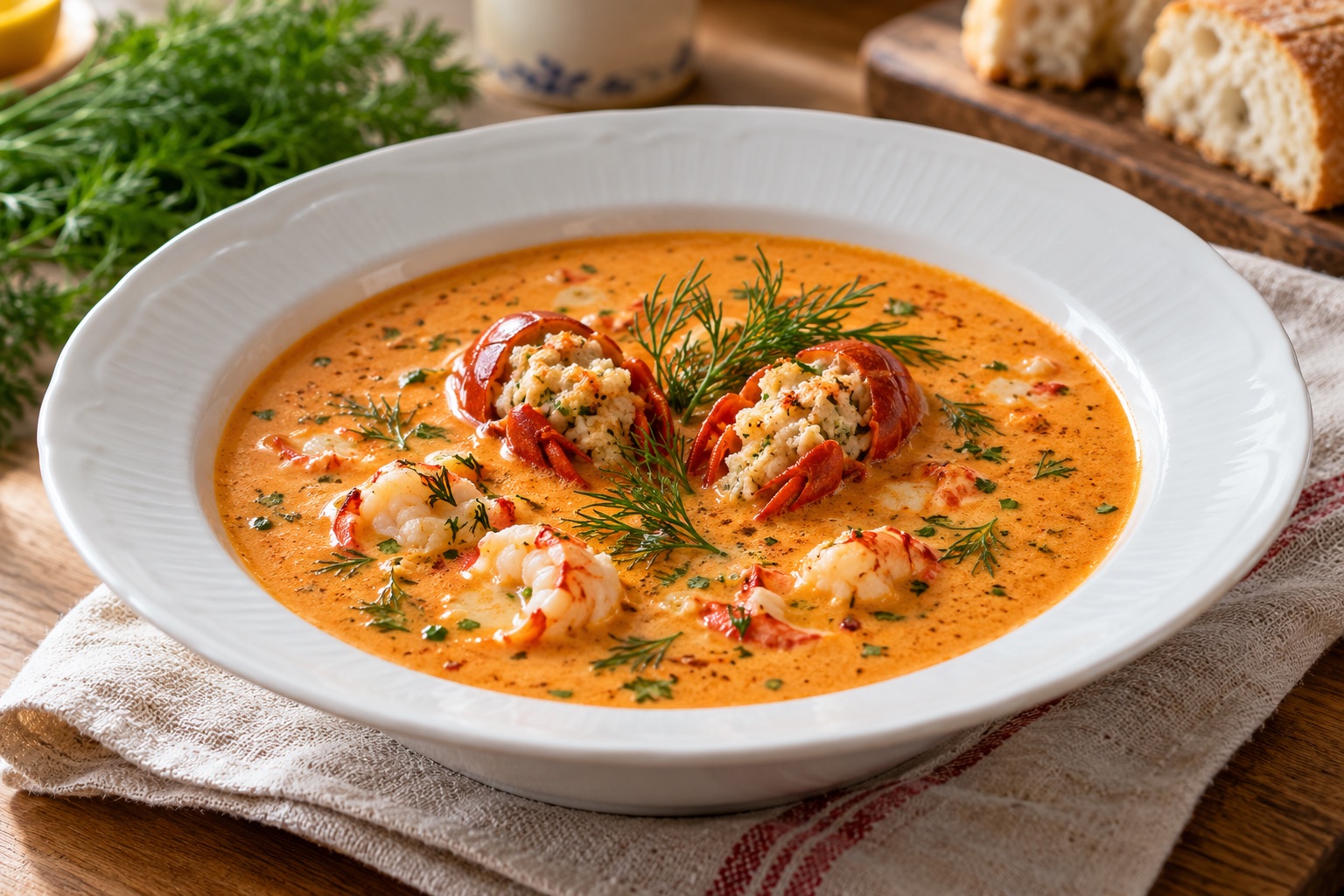
An old soup with an orange color obtained from crayfish butter. It involves separating the meat, straining the broth, and baking the filling in cleaned shells.
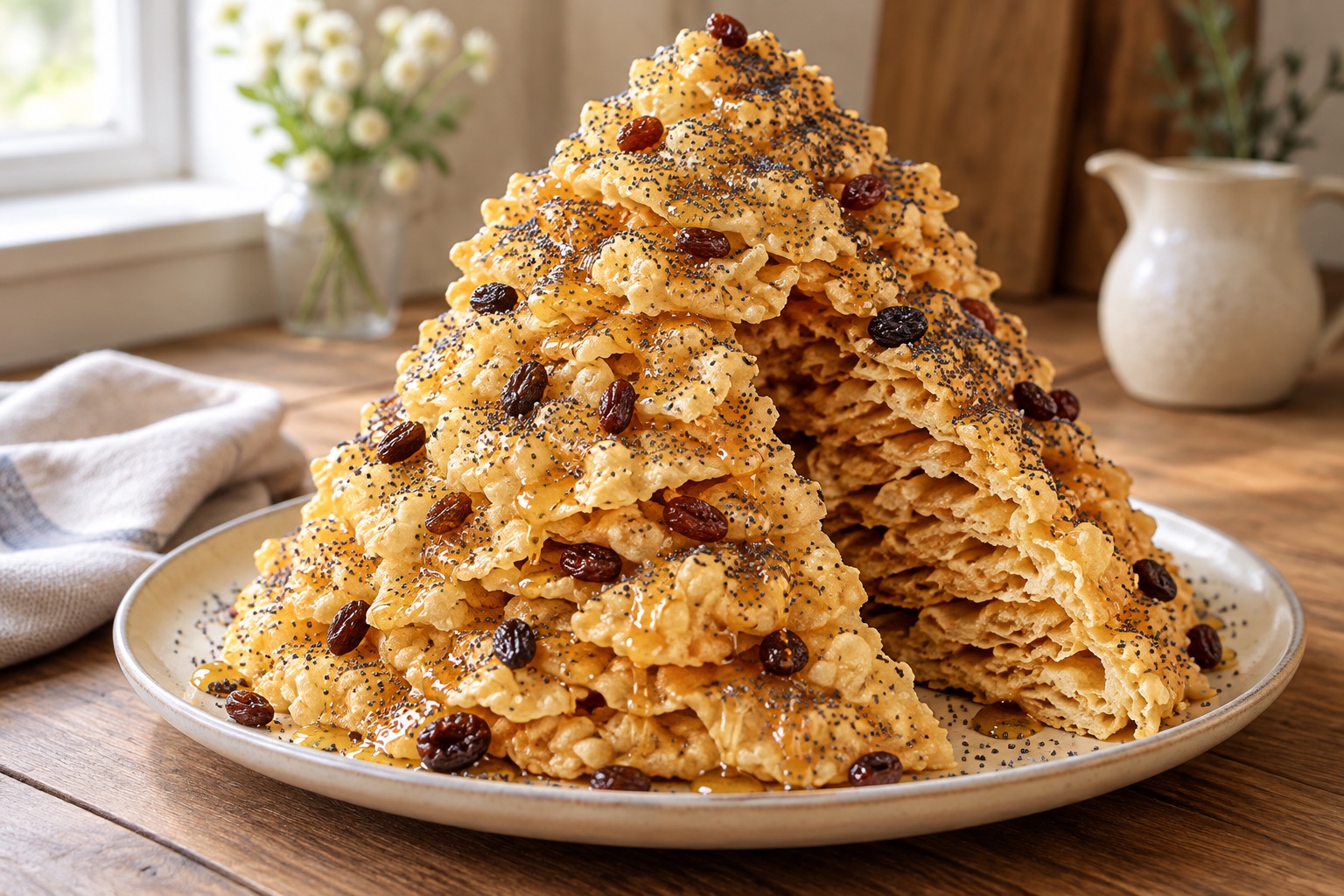
A decorative mound made of thin, crispy pieces of fried dough, combined with a honey glaze. A delicacy from the Sejny region with Lithuanian roots.
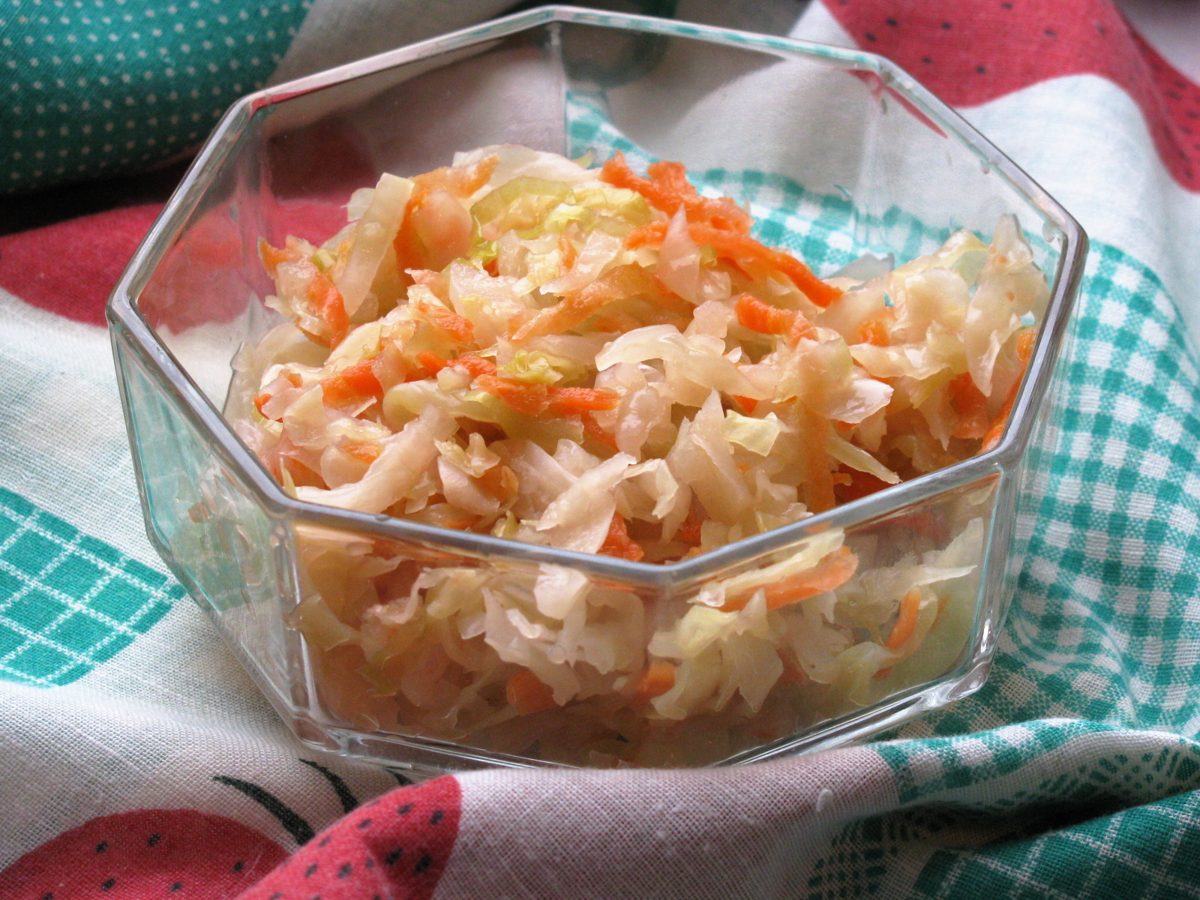
Sauerkraut made from white cabbage, carrots, salt, and caraway, pressed in a fermentation crock or jars so that it remains submerged in its own juice. This includes guidance on how much salt to use for 5 kg of cabbage, how to release gases, what to do with scum, and what containers to buy abroad.
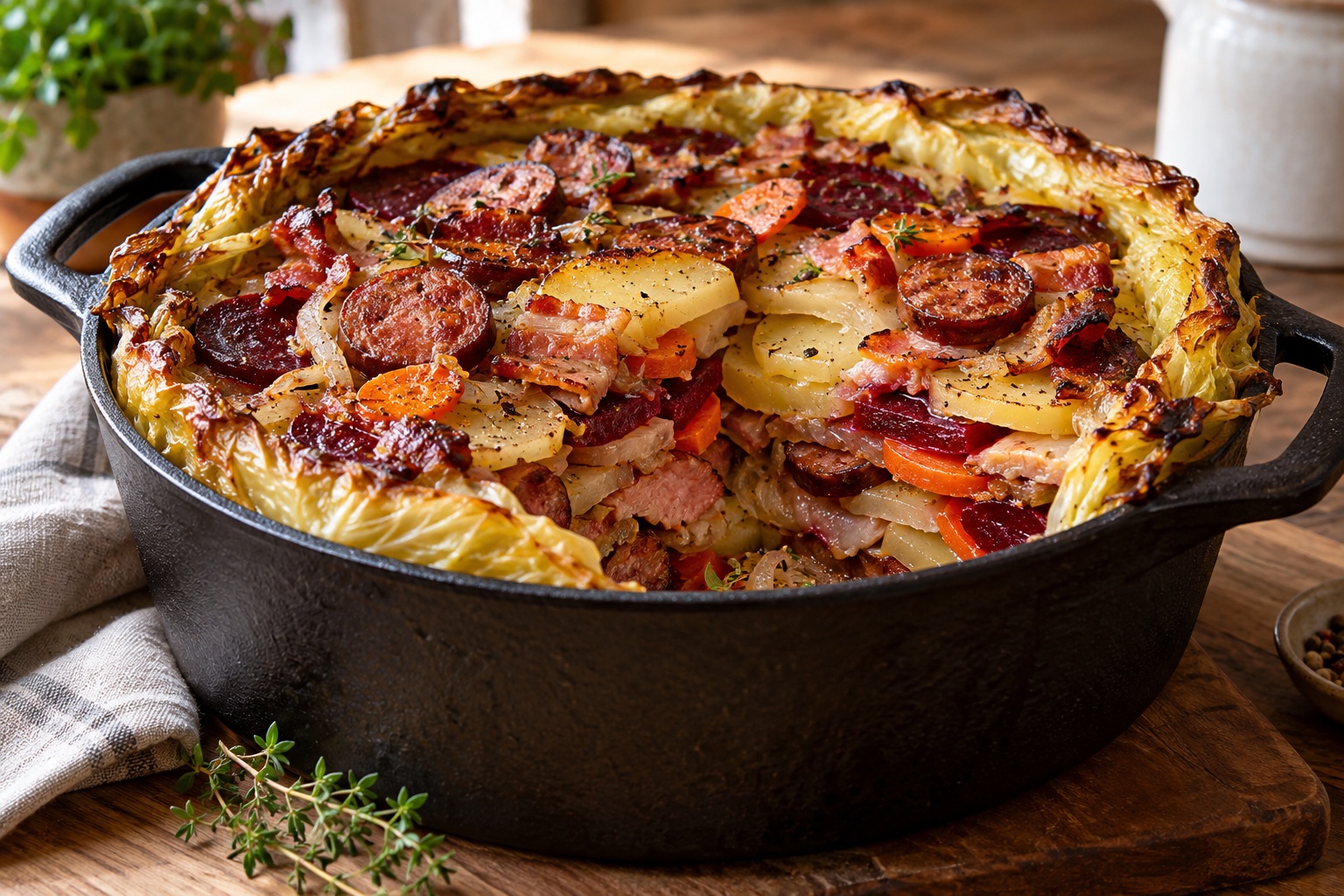
Layered baked potatoes, sausage, bacon, and onion, under a cabbage lid. A homemade version of Jurassic prażonki in a cast iron pot in the oven.
Family recipes, cooked at home for years and written down step by step.
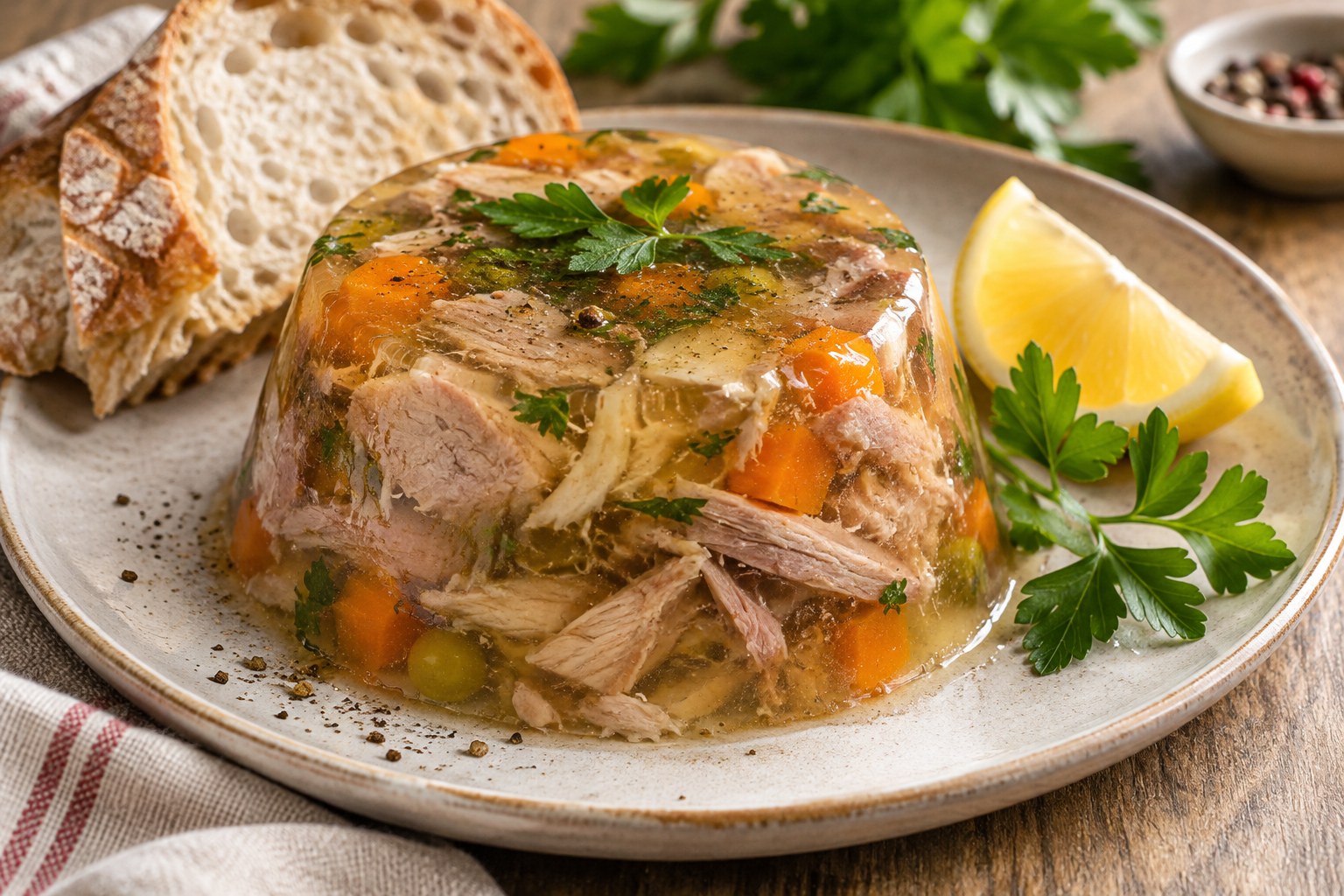
Homemade meat jelly made from pig trotters and pork hock, cooked with vegetables and spices. The trotters give the broth the right strength, allowing the jelly to set without gelatin. Serve it with lemon or vinegar. After cooking, it needs a few hours to cool.
A thick soup made from sauerkraut, pork ribs, potatoes, smoked bacon, caraway seeds, and marjoram. Includes tips on rinsing the cabbage, how to avoid oversalting the soup, and what sauerkraut to buy abroad.
A whole chicken rubbed with salt, pepper, sweet paprika, garlic, and marjoram, roasted in a pan and basted with its own fat, with a stuffing of bread and liver if desired. Here’s how to roast it step by step, how to check with a thermometer if it’s ready, and what kind of chicken to buy abroad.
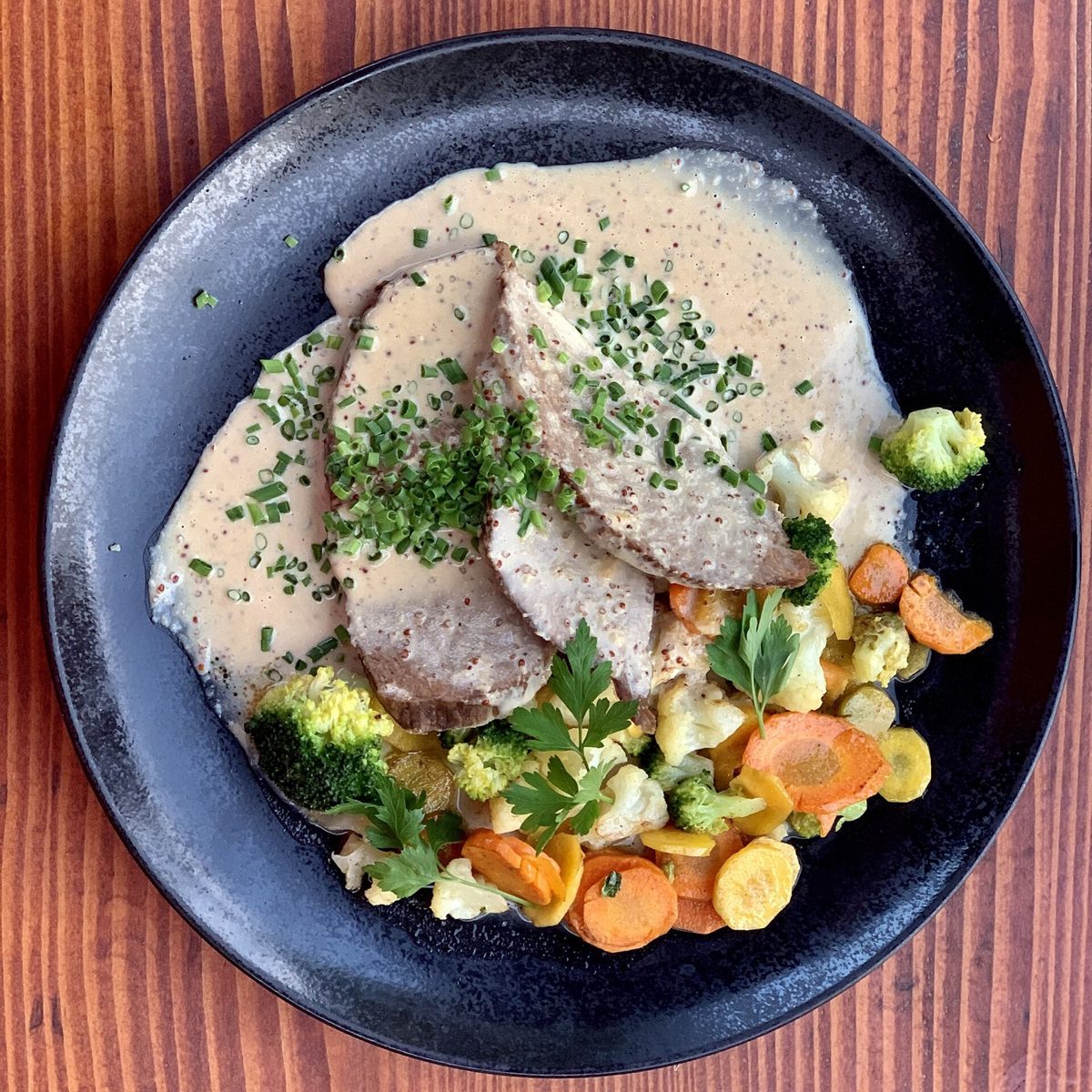
A piece of beef slowly cooked with root vegetables until tender, sliced against the grain, and topped with a light sauce made from roux, broth, cream, and horseradish. This includes tips on which cut of beef to buy in Poland and abroad, how to avoid losing the sharpness of horseradish, and the differences between 'prepared horseradish' and American 'horseradish sauce.'
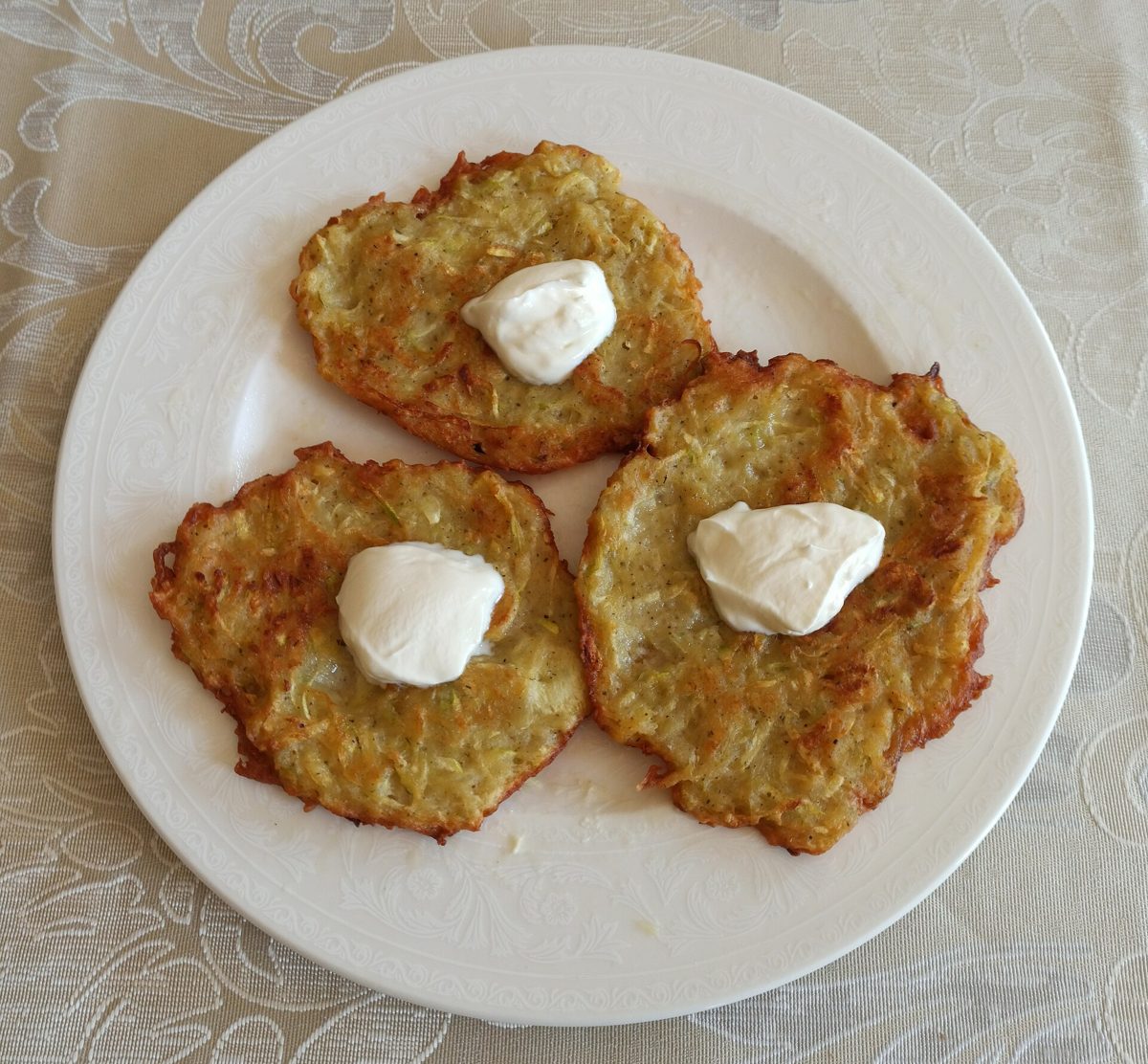
Homemade zucchini fritters made with grated zucchini, eggs, flour, garlic, and dill, fried in a pan and served with garlic yogurt sauce or sour cream. Tips on how to remove water from zucchini to prevent the fritters from falling apart, and what to buy abroad.
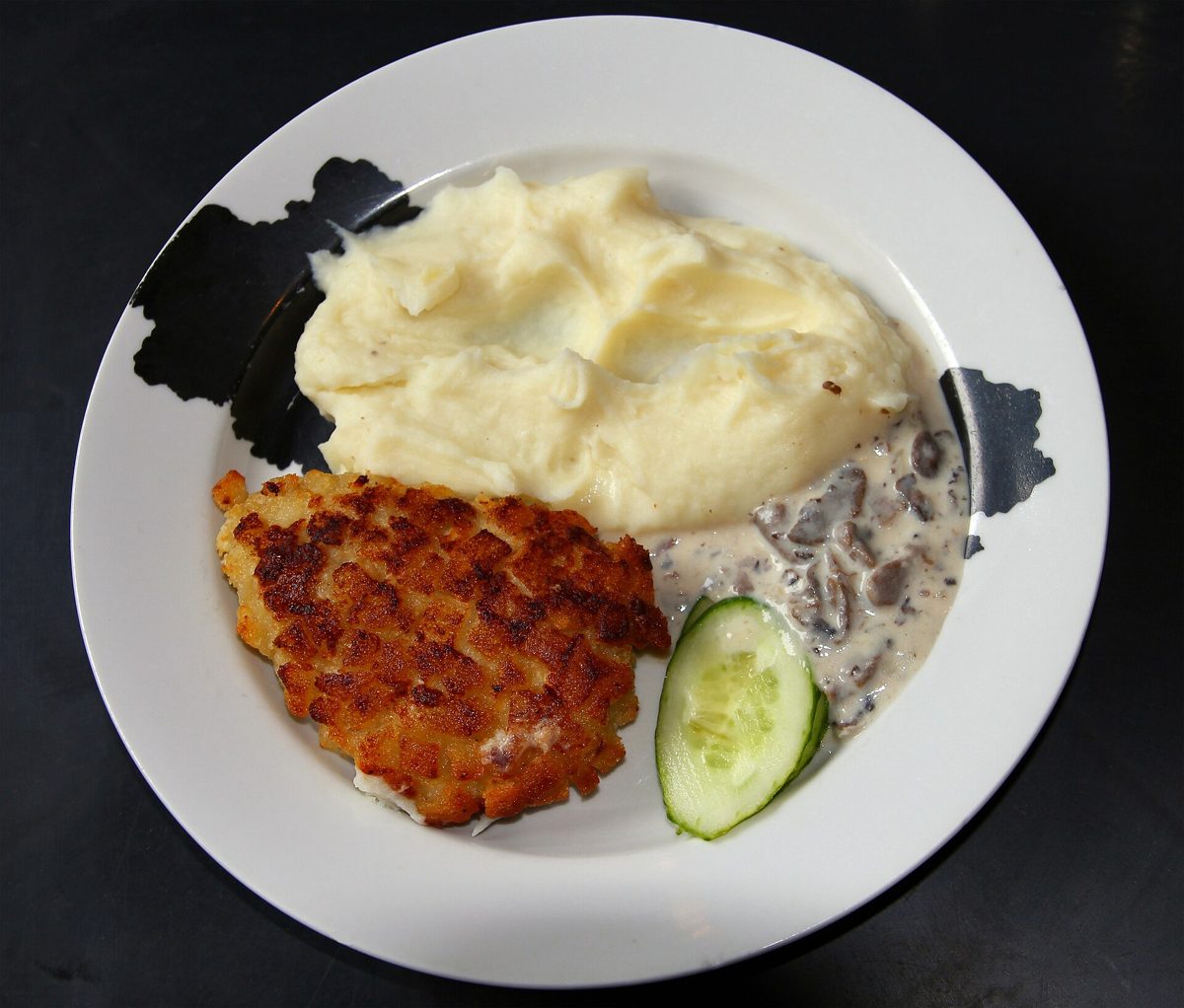
Delicate minced chicken cutlets with a lot of butter and soaked bread, coated in small bread cubes, briefly fried and then baked in the oven. This is what distinguishes them from regular meatballs and where their name comes from.