
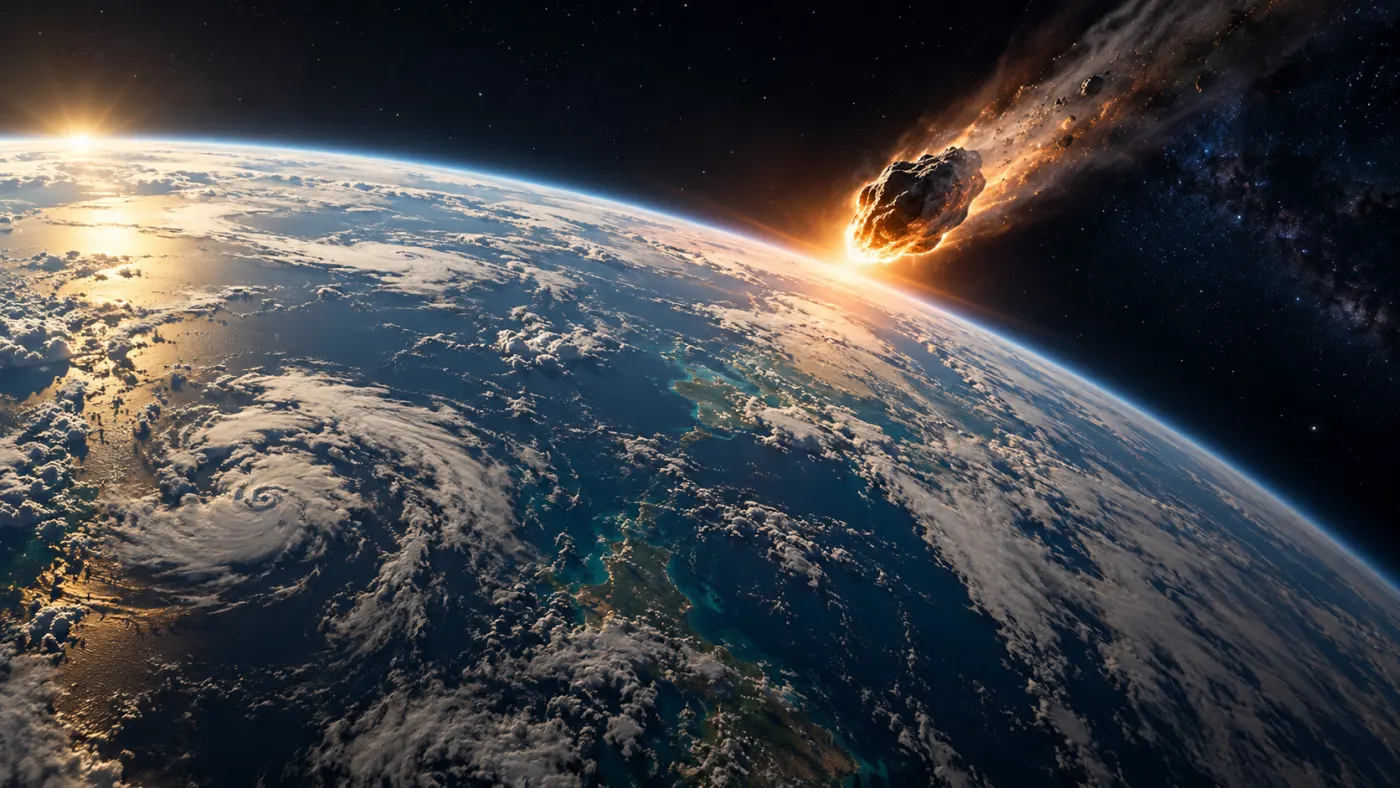
In 2013, the shockwave from a meteoroid flyby shattered windows in the Chelyabinsk area, although no large crater was formed there. Researchers interpret the 1257 eruption of Samalas from ice cores, among other sources. Meanwhile, the largest recorded earthquake, in Chile in 1960, was not an explosion. These events share a vast scale, but their effects cannot be fairly ranked by a single number.
Why Explosion Size Doesn’t Tell Everything
Energy describes the amount of transformation, while power is energy transferred per unit time. A sudden release of energy can create a shockwave, a rapid change in pressure moving through the air. Overpressure is the difference between the pressure in the wave and the surrounding pressure. Thermal radiation carries energy in the form of electromagnetic waves and can cause burns and fires. Kinetic energy is the energy of motion: it depends on mass and the square of velocity.
The effects also depend on the distance from the source, the height of the explosion, the terrain, the weather, buildings, and the population density. The same energy released over a remote forest and over a densely populated port does not imply the same catastrophe. Casualty figures can be uncertain, and compilations may vary in how they account for indirect deaths, such as from hunger or disease.
TNT, VEI, and Logarithmic Scale
The TNT equivalent is a unit of energy: one ton of TNT is conventionally equivalent to 4.184 GJ. Kiloton, megaton, gigaton, and teraton correspond to one thousand, one million, one billion, and one trillion tons of TNT, respectively. This does not mean that such amounts of explosive material were used in a given event.
VEI, or Volcanic Explosivity Index, describes the size of eruptions based on various data, primarily the volume of ejected material. For VEI 6, it is at least about 10 km³, for VEI 7 about 100 km³, and for VEI 8 about 1000 km³. Estimates of deposits depend on their behavior, range, and degree of compaction. VEI is not a measure of energy in TNT and cannot simply be converted to it. USGS Explanation.
On a logarithmic scale, equal distances correspond to equal multipliers, not equal differences. This allows for displaying values differing by thousands or millions of times on a single graph, provided we are comparing the same type of quantity.
Events
Chelyabinsk

Date: 2013-02-15. The explosion in the atmosphere showed that even an object that does not create a large crater can cause damage. The object was about 20 m in diameter according to USGS.
Estimated energy: 500 kt TNT.
About 1500 people were injured according to USGS.
Source: USGS, Asteroid Day: How do you prepare for an asteroid impact?.
Tunguska
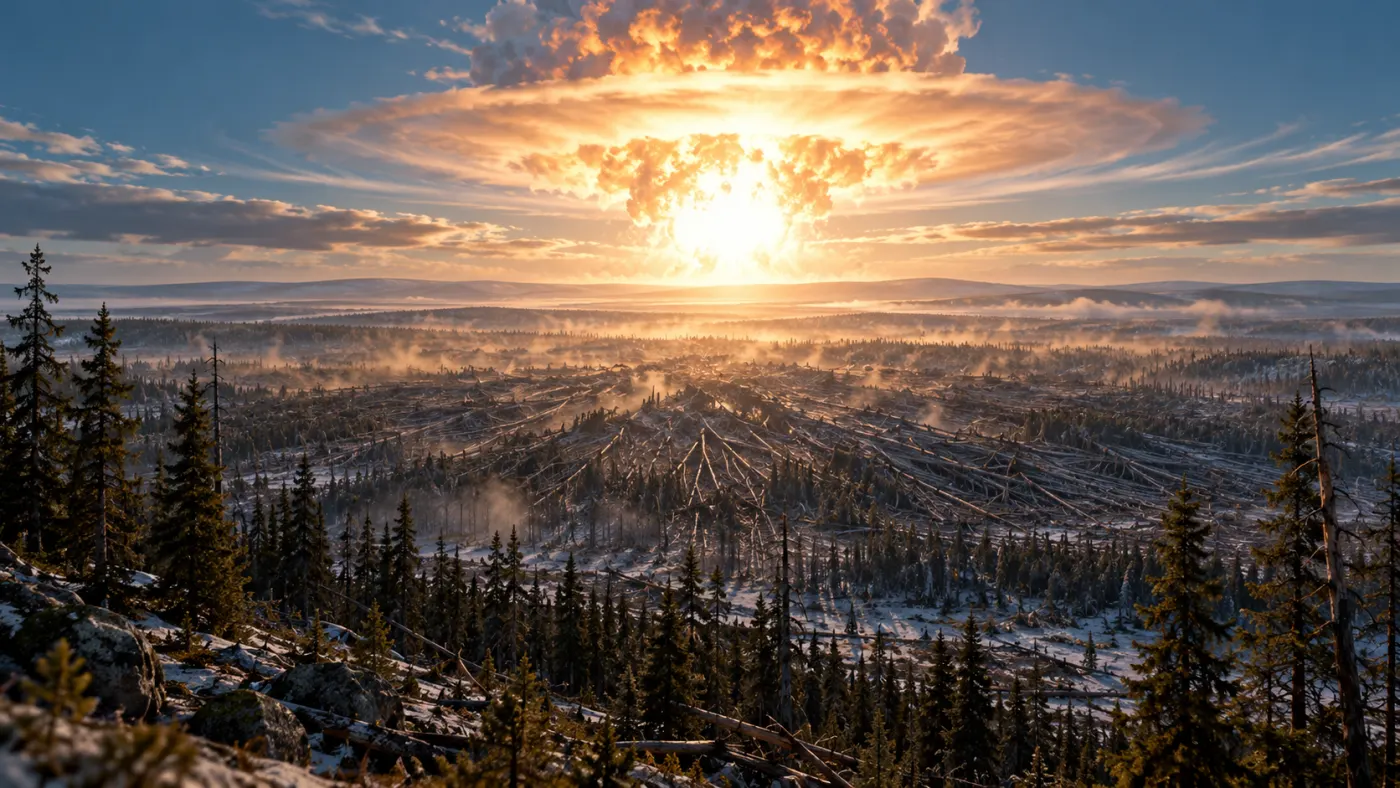
Date: 1908-06-30. The effects covered a vast area of Siberia. The phenomenon is associated with the disintegration of an object in the atmosphere.
Source: USGS, Asteroid Day: How do you prepare for an asteroid impact?.
Samalas
Date: 1257. Sulfur traces in ice and other archives allow for studying the climate response to the eruption. In the study, the sulfur deposit in ice cores attributed to this eruption was about twice as large as that after Tambora.
Hunga Tonga–Hunga Haʻapai
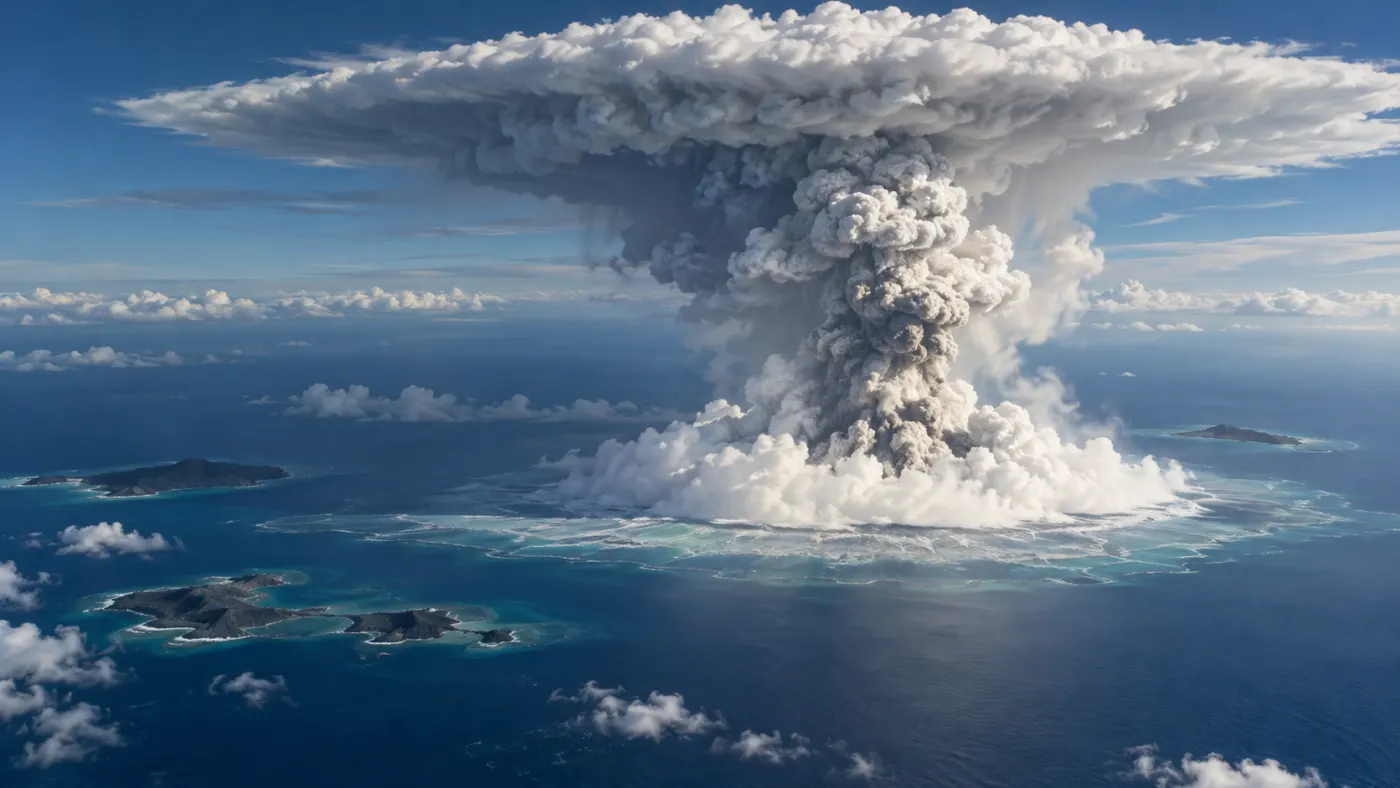
Date: 2022-01-15. The eruption introduced an exceptionally large amount of water vapor into the stratosphere. Satellite humidity measurements enabled tracking the movement of vapor after the eruption.
Source: NASA JPL, Tonga Eruption Blasted Unprecedented Amount of Water Into Stratosphere.
Ancient Yellowstone Eruptions
Date: about 2.08 million, 1.3 million, and 631 thousand years ago. The eruptions left extensive volcanic deposits and caldera structures. USGS emphasizes that three major eruptions are not sufficient to define a predictable cycle.
Source: USGS, Is Yellowstone overdue for an eruption?.
Beirut
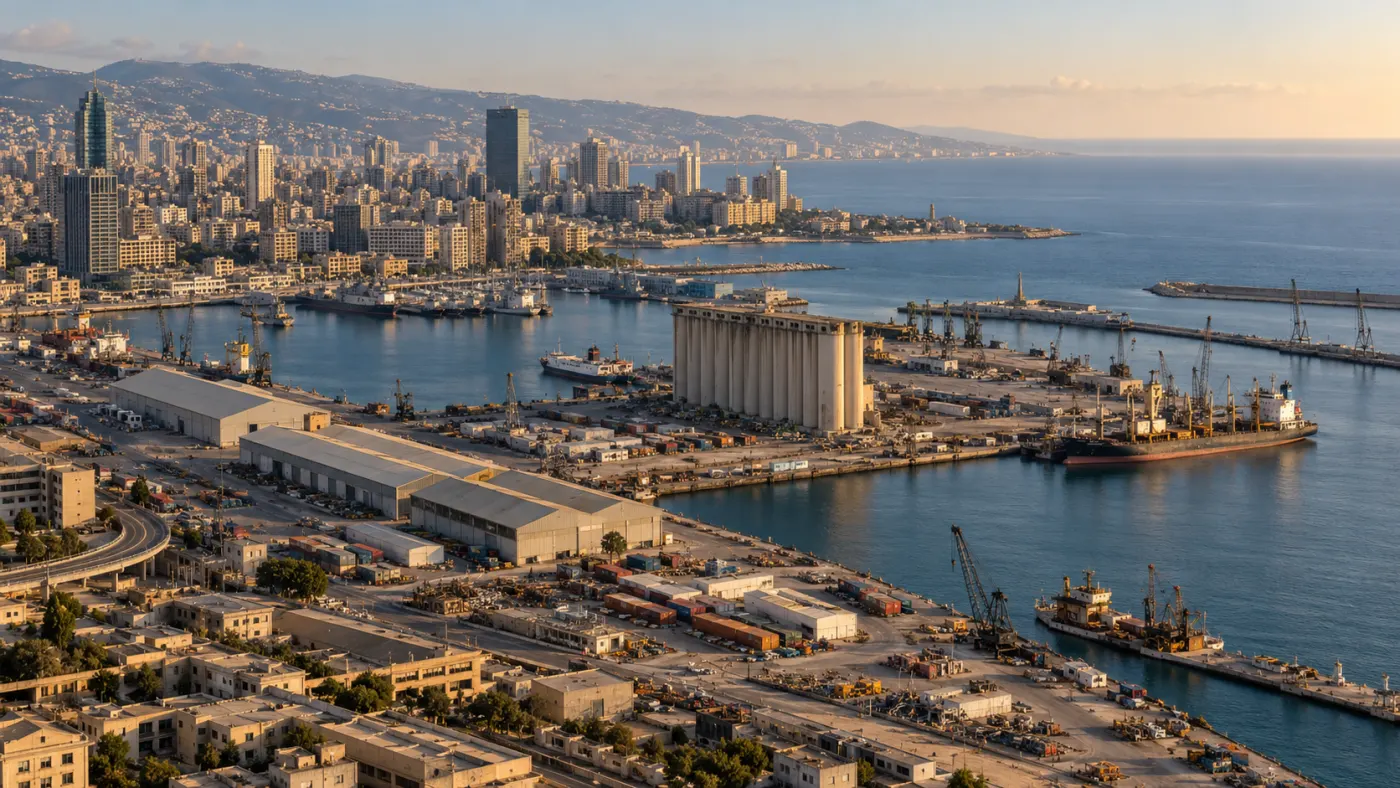
Date: 2020-08-04. The explosion in the port caused extensive destruction in the city. One analysis compares wave records and remote sensing data.
Estimated energy: 0.8–1.1 kt TNT.
Source: CTBTO, Yield estimation of the 2020 Beirut explosion.
Hiroshima
Date: 1945-08-06. The nuclear attack caused massive destruction and long-term radiation effects. The stated value describes the energy of the explosion, not the mass of nuclear material.
Estimated energy: 15 kt TNT.
Source: DOE, Atmospheric Nuclear Weapons Testing, 1951–1963.
Nagasaki
Date: 1945-08-09. The nuclear attack caused massive destruction and long-term radiation effects. The stated value describes the energy of the explosion, not the mass of nuclear material.
Estimated energy: 21 kt TNT.
Source: DOE, Atmospheric Nuclear Weapons Testing, 1951–1963.
Castle Bravo
Date: 1954-03-01. The thermonuclear test caused radioactive fallout in areas outside the test site. The energy of the test was more than twice the predicted 6 Mt.
Estimated energy: 15 Mt TNT.
Source: DOE, Atmospheric Nuclear Weapons Testing.
Oppau
Date: 1921-09-21. The fertilizer explosion destroyed part of the plant and surrounding area. Previously, the caked fertilizer was crushed using charges.
Over 500 killed; about 2000 injured according to BASF.
Source: BASF, The Oppau Explosion of 1921.
Halifax

Date: 1917-12-06. After the collision of ships, the cargo of ammunition transported in the port exploded. The disaster was a consequence of the collision between a Norwegian and a French ship.
Source: Parks Canada, The Halifax Explosion.
Port Chicago
Date: 1944-07-17. Ammunition exploded at the U.S. Navy port. The tragedy is commemorated by a national monument.
Source: Naval History and Heritage Command, Port Chicago Naval Magazine Explosion.
Texas City
Date: 1947-04-16. A series of fires and explosions caused an industrial disaster in the port. The ship Grandcamp was loading fertilizer containing ammonium nitrate.
Source: US Army Corps of Engineers, Texas City Fire.
Earthquake in Chile
Date: 1960-05-22. The earthquake and tsunami affected Chile and the Pacific coast. USGS describes it as the largest instrumentally recorded earthquake, with a magnitude of Mw 9.5.
Source: USGS, Surviving a Tsunami.
Theia Hypothetical Collision
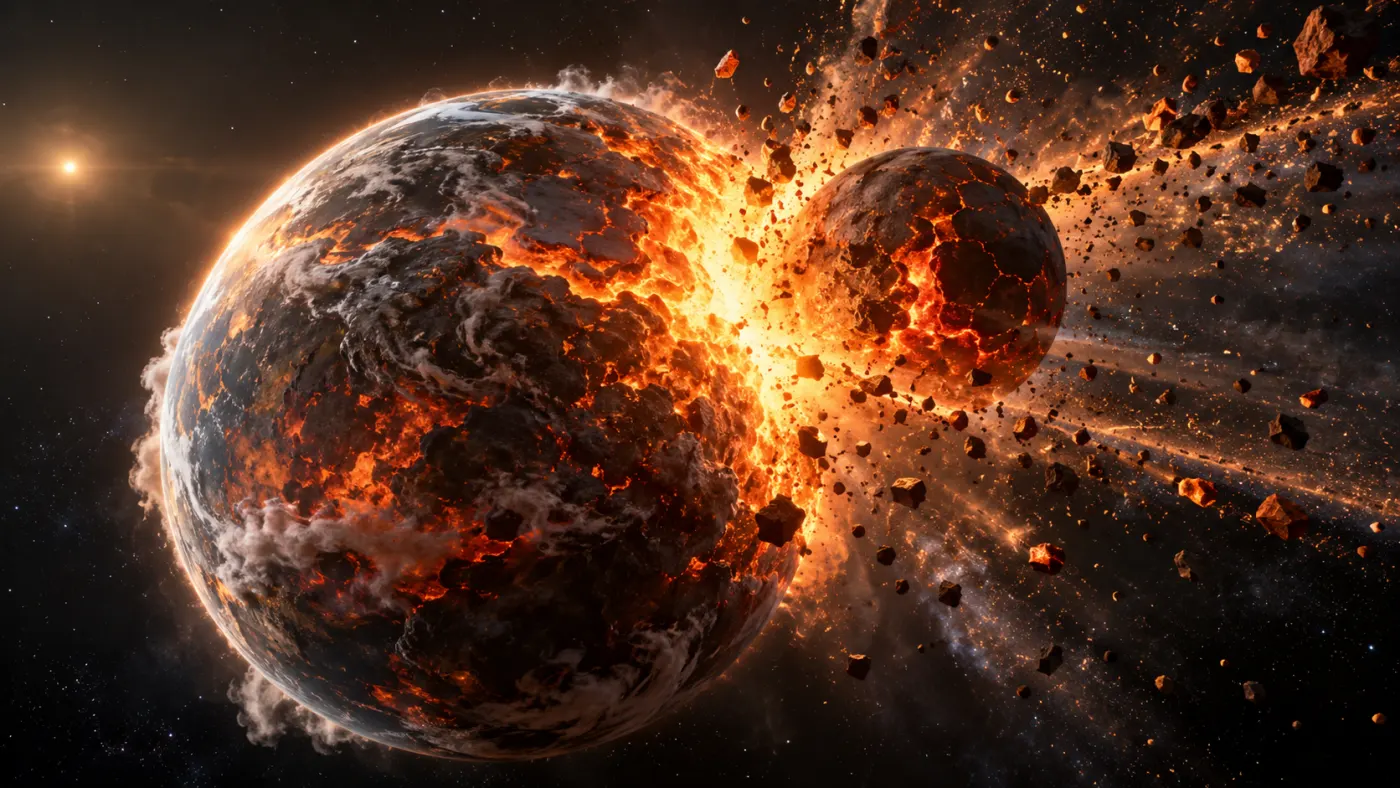
Date: about 4.5 billion years ago. The giant impact hypothesis explains the origin of the Moon; its details are still being studied. In one scenario, a Mars-sized body collided with young Earth.
Source: NASA, Moon Formation.
Vredefort
Date: about 2 billion years ago. Traces of a large impact structure have been preserved in present-day South Africa. Erosion has exposed rocks that were deep beneath the surface.
Source: NASA, Vredefort Crater.
Sudbury
Date: about 1.85 billion years ago. A heavily transformed structure remains in Ontario from an ancient impact. Traces of high pressures are preserved in the rocks.
Source: NASA, Exploring Meteorite Mysteries.
Manicouagan
Date: about 212 million years ago. An ancient impact structure is located in present-day Quebec. The ring of the lake highlights part of the heavily eroded structure.
Source: NASA Earth Observatory, Manicouagan Impact Structure.
Toba
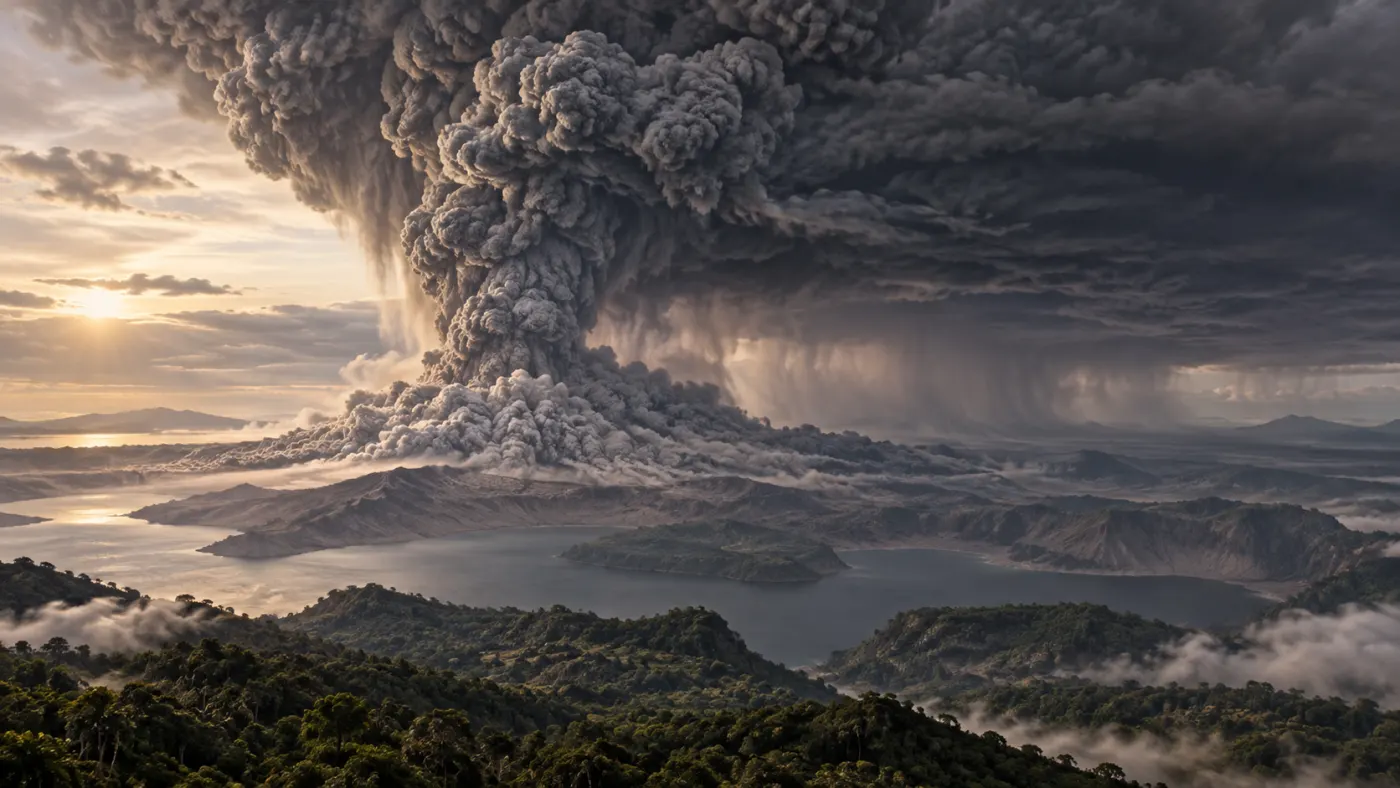
Date: about 74 thousand years ago. The enormous eruption left extensive deposits and a caldera. The hypothesis that the eruption nearly led to human extinction remains debated.
Source: USGS, No, Yellowstone is not going to wipe out humanity.
La Garita and Fish Canyon Tuff
Date: about 27.8 million years ago. The eruption left an extensive tuff layer in present-day Colorado. USGS estimates the volume of tuff at over 5000 km³.
Source: USGS, In the pantheon of caldera eruptions, where does Yellowstone rank?.
Novarupta
Date: 1912-06-06. The explosive eruption in Alaska left deposits of pyroclastic flows. The Katmai caldera collapsed during the eruption, although the Novarupta vent is about 10 km away.
Source: Smithsonian Global Volcanism Program, Novarupta.
Pinatubo
Date: 1991. The eruption in the Philippines created a caldera and affected the climate. Sulfate aerosols produced from volcanic gases can limit sunlight reaching the surface.
Source: Smithsonian Global Volcanism Program, Pinatubo.
Laki
Date: 1783–1784. The fissure eruption in Iceland produced extensive lava flows and gases. Lava flowed from the fissure system for many months.
Source: Smithsonian Global Volcanism Program, Grímsvötn.
Indian Ocean Earthquake and Tsunami
Date: 2004-12-26. The tsunami affected numerous countries around the Indian Ocean. NOAA indicates that the effects of the earthquake and waves are difficult to separate in casualty numbers.
Source: NOAA, Global Historical Tsunami Data.
Chicxulub
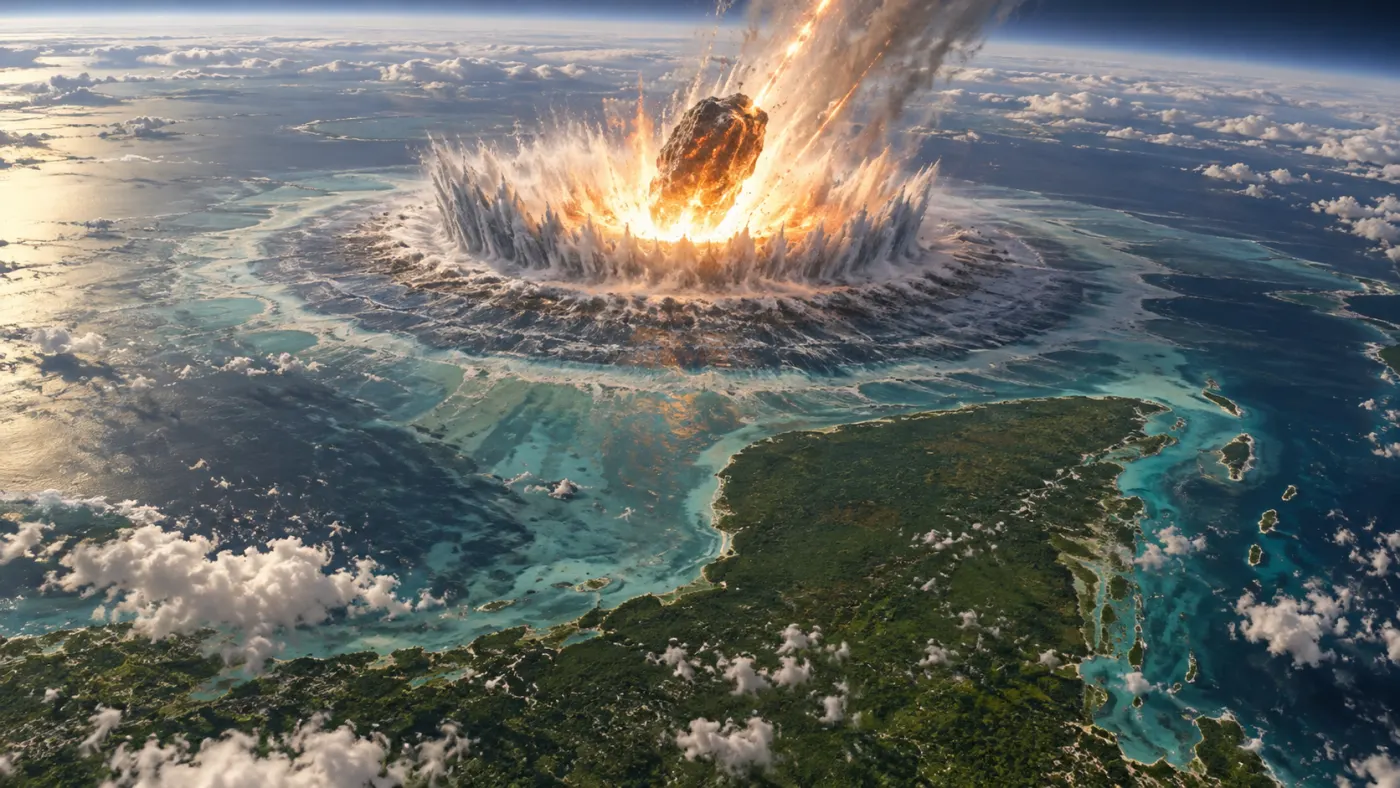
Date: about 66 million years ago. The impact left a large structure on the Yucatan and is associated with the mass extinction at the boundary of the Cretaceous and Paleogene. Elevated iridium and shock traces in the rocks help identify the impact.
Source: NASA, Evidence for a Meteoritic Component in Impact Melt Rock from the Chicxulub Structure.
Tambora
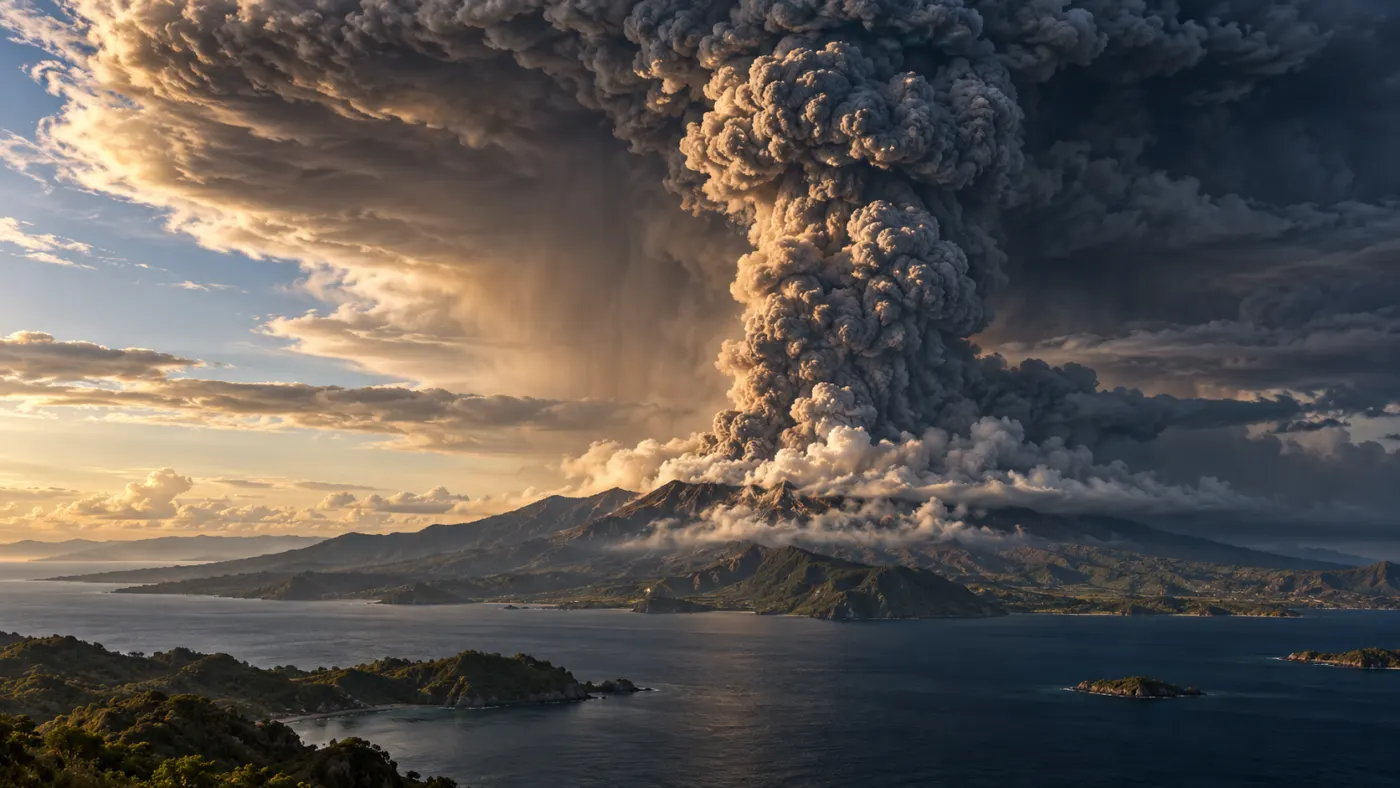
Date: 1815. The eruption on the island of Sumbawa in Indonesia ejected material and gases into the atmosphere. The eruption contributed to the cooling in 1816, known as the year without a summer.
Source: Smithsonian Global Volcanism Program, Tambora.
Krakatau
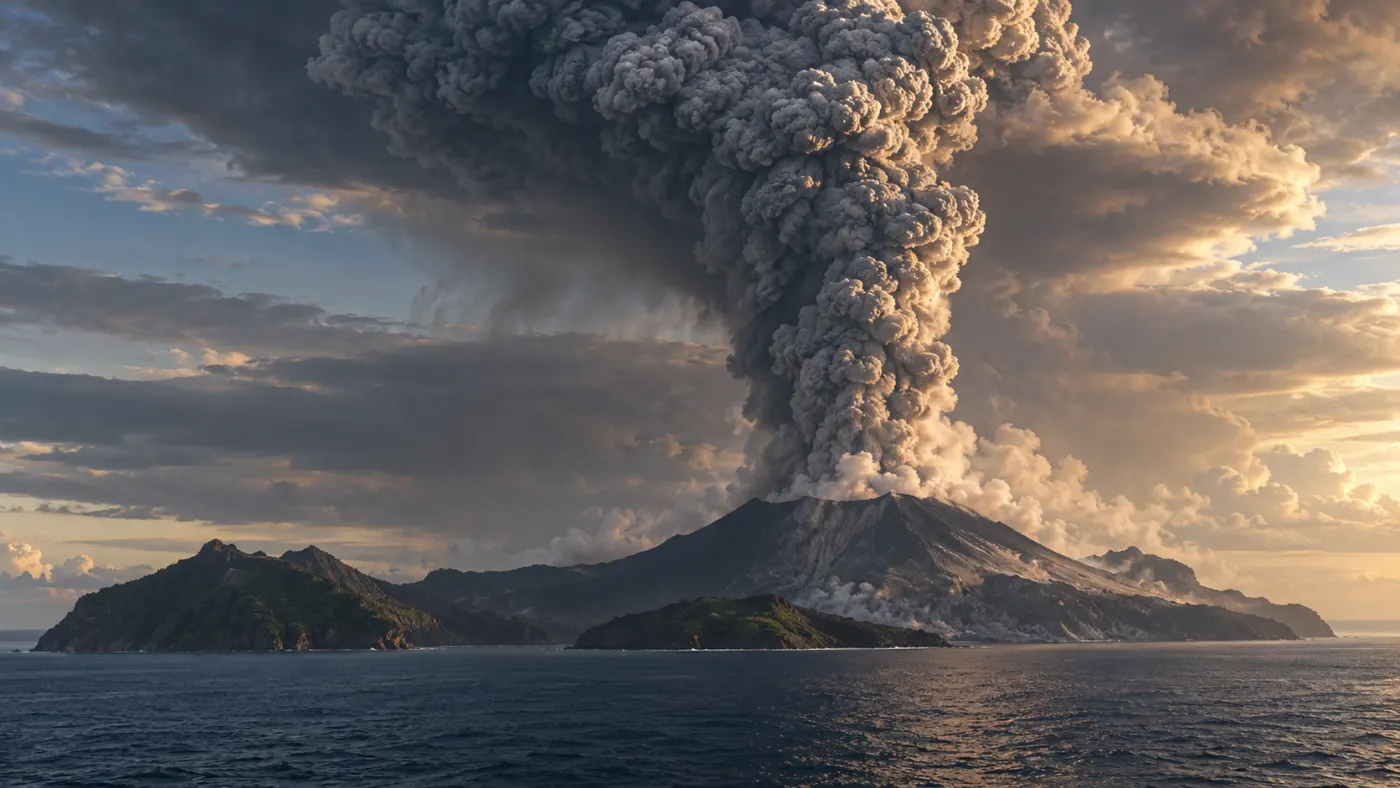
Date: 1883. The eruption and tsunami affected the coasts of the Sunda Strait. The Smithsonian reports over 36,000 casualties.
Source: Smithsonian Global Volcanism Program, Krakatau.
Mount St. Helens
Date: 1980-05-18. The slope collapse and lateral blast destroyed forests; 57 people died. The slope failure relieved pressure inside the volcano.
Source: USGS, Mount St. Helens Climactic Eruption.
Car Bomba
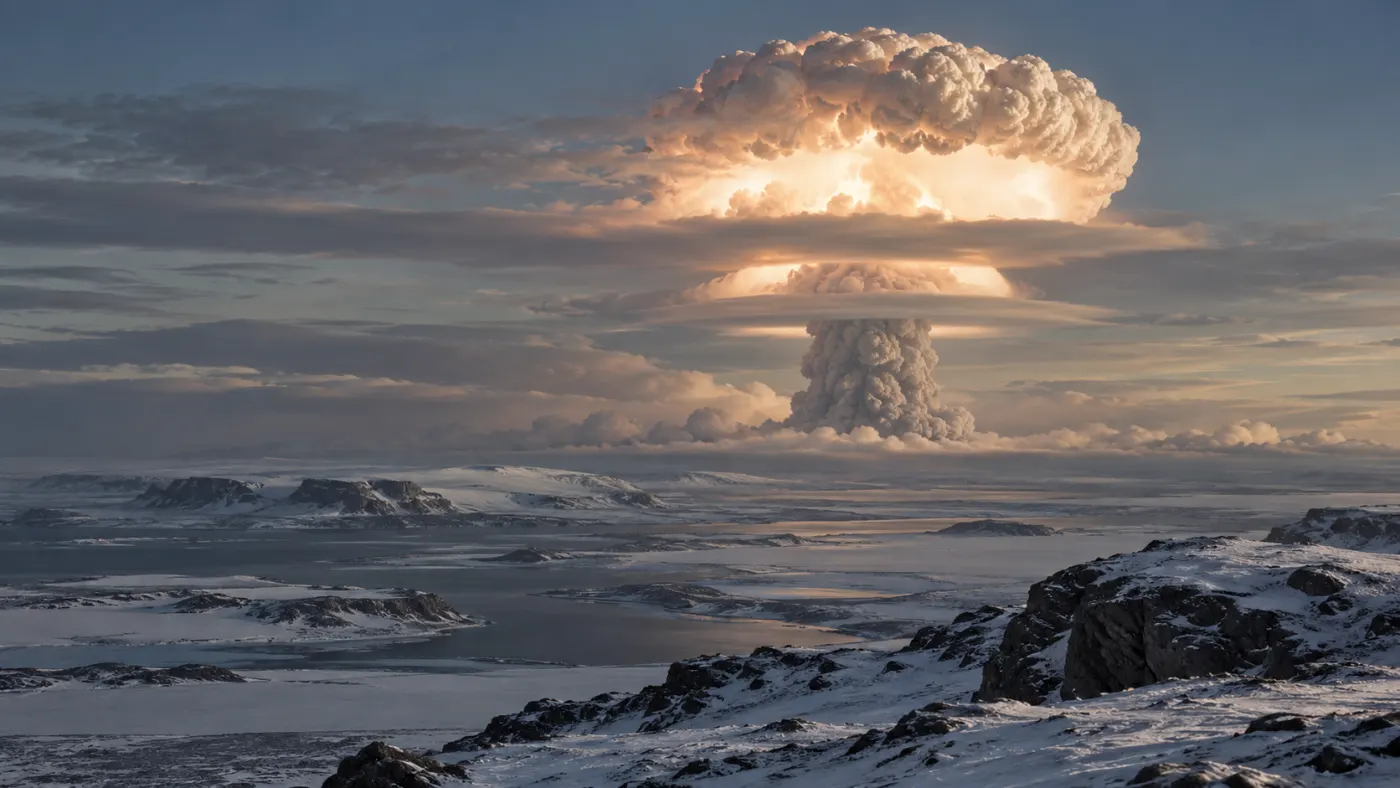
Date: 1961-10-30. The nuclear test took place over Novaya Zemlya. IAEA reports the energy of the test at 50 Mt TNT.
Estimated energy: 50 Mt TNT.
Source: IAEA, Northern Test Site report.
Comments (0)
No comments yet. Be the first!