
In September 1939, as German bombs fell on Poland and the Red Army advanced from the east, a group of officials from the National Bank of Poland, two former ministers, and an Olympic champion transported the entire nation's treasure by buses, trains, and ships. The gold traveled through Romania, crossed the Black Sea on a civilian tanker, went by train through Turkey and Syria, sailed the Mediterranean on French ships, and then got stuck for four years in a fort deep in Africa.
This is one of the most extraordinary operations of World War II, yet few have heard of it. We recount it based on the exhibition catalog of the National Bank of Poland, studies from the IPN, and the memories of participants. Along the way, we debunk three popular myths: about exactly 75 tons, about gold that financed the Polish army, and about gold that "returned" to Poland in 2019.
Note on numbers: sources provide different weights of gold, different numbers of boxes, and different dates for individual stages. When numbers differ, we show all versions and indicate their sources. Some anecdotes are family memories of the children of participants, recorded years later.
Jump to:
- How much gold did Poland have
- Evacuation from Warsaw
- Last night in Poland
- Through Romania in 48 hours
- Tanker Eocene
- Through Turkey and Syria
- France and the treasury in Nevers
- Gold in Africa
- How the gold was recovered
- People and their fates
- Gold from the Romanian monastery
- Did the gold finance the army
- What happened to the gold after the war
- Gold brought back in 2019
- Myths
- What could not be established
Treasure worth 463.6 million zlotys and a dispute over its weight
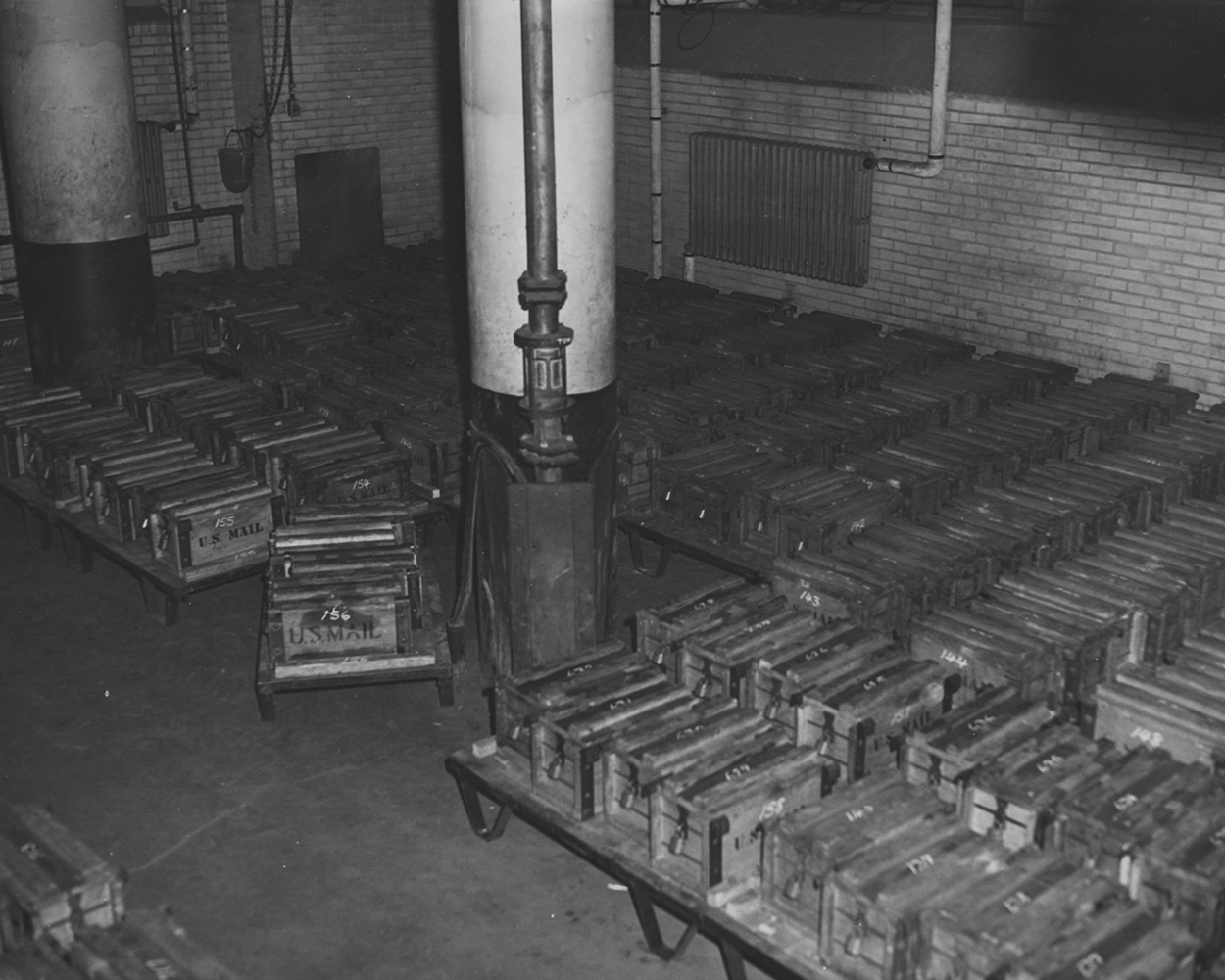
All sources agree on one number: the gold reserves of the National Bank of Poland were worth 463.6 million zlotys, or about 87 million dollars at the time. Janusz Wróbel (IPN), "The War Fate of Polish Gold". About 193 million zlotys were in the central treasury at Bielańska Street in Warsaw, about 170 million zlotys in branches in Siedlce, Brest, Zamość, and Lublin, and just over 100 million zlotys in banks abroad. NBP, exhibition catalog "The War Fate of Polish Gold", text by Prof. Wojciech Rojek.
The weight is more problematic. The number 75 tons is often cited, including by the IPN. IPN, announcement of the funeral of Matuszewski and Floyar-Rajchman. The National Bank of Poland refers to "nearly 80 tons". NBP, "Gold as a Component of Foreign Currency Reserves". Prof. Rojek states that the total weight of all resources in August 1939 was 79.5 tons, including deposits abroad. Meanwhile, Zygmunt Karpiński, a member of the board of the National Bank of Poland, wrote about 95 tons, of which about 75 tons were in the country. PAP (dzieje.pl) on the evacuation of gold. These versions contradict each other, so the most honest statement is: several dozen tons of gold were evacuated, according to various sources from about 60 to about 75 tons.
Before the war, there were considerations to transport the gold to the West by LOT Polish Airlines planes. The idea fell through because formalities regarding stopovers in Scandinavian countries could not be arranged. Deputy Prime Minister Eugeniusz Kwiatkowski was also afraid that the gold might be seized abroad. In the summer of 1939, part of the gold was therefore distributed from Warsaw to branches in the eastern part of the country. IPN, Wróbel.
Buses, air raids, and an Olympic champion at the wheel
On September 4, 1939, three men appeared before Prime Minister Felicjan Sławoj-Składkowski: Colonel Ignacy Matuszewski, former Minister of Finance, Colonel Adam Koc, former President of the National Bank of Poland, and Major Henryk Floyar-Rajchman, former Minister of Industry and Trade. They referred to an authorization from Deputy Prime Minister Kwiatkowski. The Prime Minister issued them special passes guaranteeing the assistance of all state authorities. IPN, Wróbel.
That same night, the gold began to leave Warsaw in buses from the State Security Printing Works. The first batch reached Lublin, and the vehicles returned for the rest. The roads were blocked by refugees, and columns were attacked by aircraft. On the night of September 7-8, 30 buses and cars transported gold from Lublin to Łuck. There, Colonel Koc organized the transports, and the section from Łuck to Śniatyn at the border with Romania was led by Floyar-Rajchman. Krzysztof Kopeć, "To Save the Gold", Przystanek Historia (IPN).
Halina Konopacka, the "Double Gold"
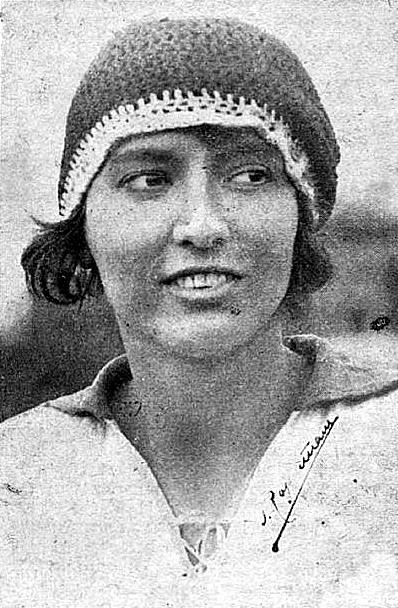
One of the approximately 40 buses carrying gold was driven by Halina Konopacka, the wife of Matuszewski and Poland's first female Olympic gold medalist, winner of the discus throw in Amsterdam in 1928. From September 9, she drove a bus from Łuck to Śniatyn and then sailed with her husband to France. IPN, exhibition "Halina Konopacka". She was referred to as "double gold". In 2020, a commemorative plaque was unveiled on the building at 69 Filtrowa Street in Warsaw. IPN, unveiling of the Konopacka and Matuszewski plaque. She always appeared in a red beret at competitions, and in Amsterdam, she was declared the beauty of the games. NBP, exhibition catalog.
Ditches, a note, and a false alarm
The NBP exhibition catalog collected memories from the children of bankers. Andrzej Mikołajczyk, who was 8 years old at the time, remembered that the column traveled at night with dimmed lights. When one of the cars cast a beam of light, everyone thought it was an air raid and jumped into the ditches. His father Henryk told his older daughter to record the departure times. Years later, her daughters found the note with those records. There.
Dubno, Śniatyń, and the last night in Poland
The convoy from Łuck passed through Dubno. There, 3817 kg of gold worth over 22 million zlotys was detached for the Polish authorities. IPN, Wróbel. This part has a separate, little-known history, which we describe below.
On the evening of September 13, columns from Brest, Siedlce, and Zamość also reached Śniatyń, despite German air raids. The gold was transferred to railway cars. That evening, Floyar-Rajchman formally handed over command to Matuszewski, who continued to lead until France. He was assisted by the chief treasurer of the National Bank of Poland, Stanisław Orczykowski. Przystanek Historia (IPN). On the night of September 13-14, the treasure left Poland. PAP (dzieje.pl).
Sources differ on the number of boxes. PAP mentions 1208 boxes in nine cars. The grandson of one of the bankers, Edmund Spychałowicz, cites based on family documents 1091 boxes with bars and 95 bags of coins. NBP, exhibition catalog.
Romania allowed 48 hours
Romania was neutral and under strong pressure from Germany. It agreed to transport the gold across its territory on the condition that the transit would not last longer than 48 hours. The Polish ambassador in Bucharest, Roger Raczyński, obtained the consent. German envoy Wilhelm Fabricius pressured Romanian Foreign Minister Grigore Gafencu to classify the gold as war material and seize it, but to no avail. PAP (dzieje.pl). According to Forbes, Gafencu pretended not to know about the transport and promised an investigation, which gave the Poles valuable time. Forbes.pl on the fate of Polish gold.
On September 15, the train with the gold reached the port in Constanța on the Black Sea. Przystanek Historia (IPN). On the same day, Romania issued a decree to tighten its borders. According to the NBP, the tanker with the gold managed to leave Romanian territorial waters before the regulations took effect. NBP, exhibition catalog.
Online, it can be read that the Poles bribed Romanian officials. We did not find a source for this. Documents speak of diplomatic pressure, the 48-hour limit, and Minister Gafencu's delay tactics.
Tanker Eocene and the sailors who fled
The gold was not transported by a warship, but by the civilian tanker Eocene under the British flag, owned by the American oil company Socony-Vacuum. It was supposed to load oil, but British diplomacy directed it to Constanța. Marek Lipka, RP Consulate in Istanbul, "Daily Sabah", 2025. Assistance in the evacuation was negotiated with the British by Deputy Foreign Minister Jan Szembek and Colonel Koc, and in Constanța, British consul Anthony Kendall assisted. NBP, exhibition catalog.
Captain Robert Brett recalled that the gold was loaded late at night in great secrecy. When Romanian officials delayed the departure, he darkened the ship and quietly slipped out of the port, as he did not want to be interned. Captain Brett's memories recorded by his son (Seaham Past). In 1940, he described this story in the British press in an article titled "I Stole £21 Million from Hitler". Forbes.pl.
According to family accounts from the Mikołajczyks, the hired sailors, upon learning what was on board, were so frightened that they all fled, and the captain had to recruit new ones. The boxes were loaded by the bank officials themselves. The ship did not have papers for such a cargo, and in Turkey, no one could disembark, so the Polish consul spoke with bankers from a boat. NBP, exhibition catalog. These are memories passed down years later by the son of a participant.
The Germans knew about the transport, but not much. The German naval attaché in Istanbul reported on September 26, 1939, about "10 barrels of gold from the Polish state bank". Warship Research, letter from the German attaché from the Bundesarchiv. This is a significantly underestimated report.
By train through Turkey and Syria to Beirut
The Eocene reached Istanbul. Dates in sources differ: September 16 according to the RP consulate in Istanbul, September 19 according to Captain Brett. It is possible that the ship was first anchored, and the gold was loaded later. Turkey proposed depositing the gold in a bank in Istanbul, but the Poles refused. "Daily Sabah".
On the Asian side of Istanbul, the gold was transferred to a special train. The train traveled through Ankara, the Taurus Mountains, and Adana, and on the evening of September 22, it reached the border with Syria, then a French mandate territory. There. In the Lebanese Rayak, the gold was transferred to a narrow-gauge railway and reached Beirut on September 23. Przystanek Historia (IPN). Matters in Turkey were handled by Ambassador Michał Sokolnicki and Consul Władysław Rychlewicz.
French ships and the treasury in Nevers
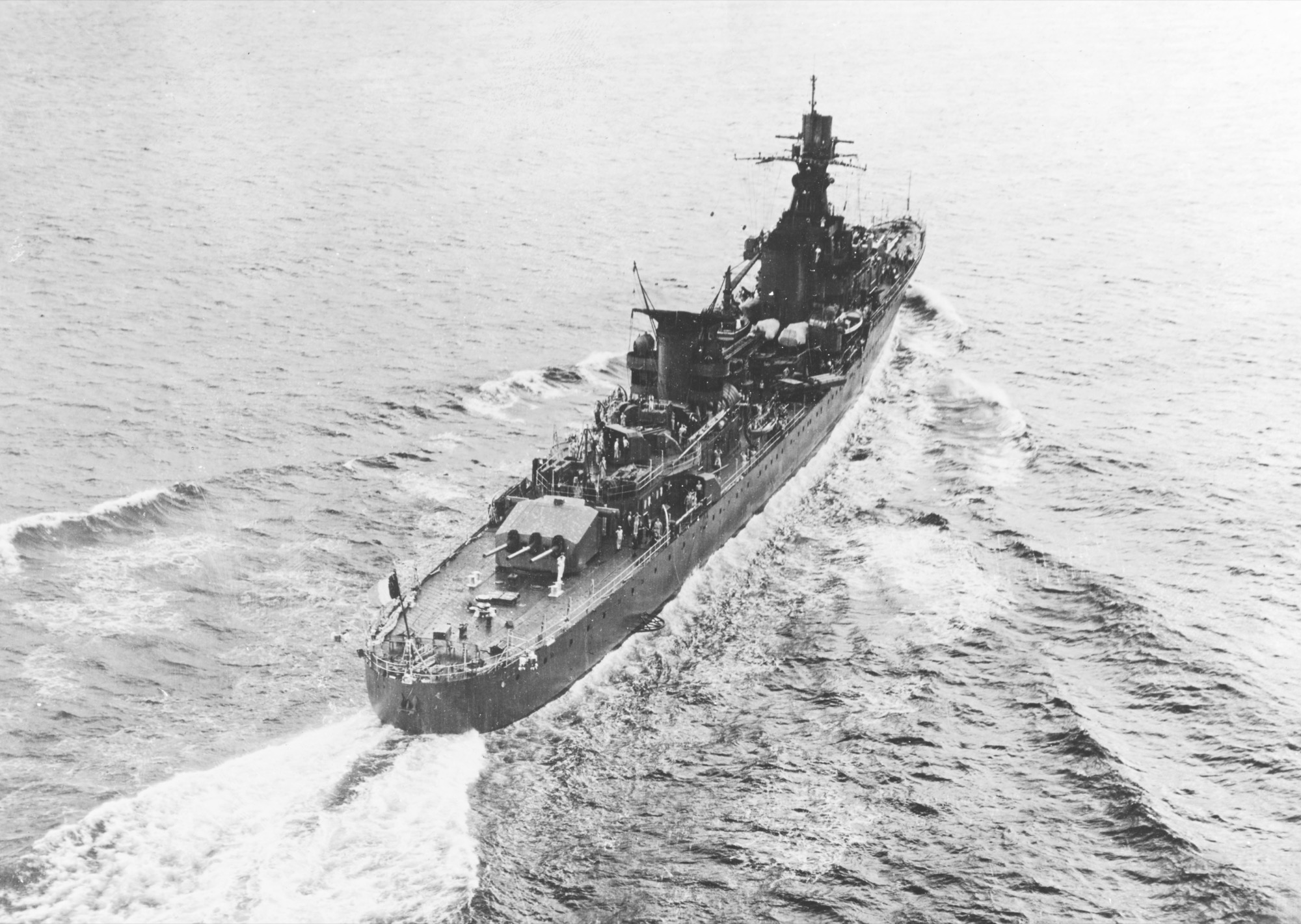
From Beirut, the gold was taken by three French warships: the cruiser Émile Bertin and the destroyers Vauban and Épervier. Matuszewski did not agree to send everything on one ship. The cruiser set sail on September 23, and the two smaller ships on October 2. NBP, exhibition catalog. On each ship, Polish officials were present to oversee the boxes.
The gold reached the treasury of the Bank of France branch in Nevers on the Loire. It formally remained under Polish control, and the boxes were continuously supervised by employees of the National Bank of Poland. There. According to the IPN, the operation was completed on October 5, 1939. Przystanek Historia (IPN).
Gold that got stuck in the Kayes fort
In May 1940, the Germans attacked France. On May 22, the Polish government asked the British to transport the gold to America. Przystanek Historia (IPN). The French delayed, and according to Forsal, they first demanded the return of 500 million francs loaned to Poland in September 1939. Forsal.pl.
On June 16, 1940, the gold was loaded onto the French auxiliary cruiser Victor Schœlcher in the port of Lorient, along with Belgian gold. On the same day, Marshal Pétain's government was formed, which decided on capitulation. The ship was supposed to sail to the USA but docked in Casablanca and then Dakar. On June 30, director Stefan Michalski, the only Pole escorting the gold, telegraphed from the British consulate in Dakar that the gold had been seized by the French. PAP (dzieje.pl).
The French authorities in Vichy transported the gold about 800 km inland to Kayes in present-day Mali. Przystanek Historia (IPN). In September 1940, Free French forces under General de Gaulle attempted to seize Dakar and declared the return of the gold to the Poles, but the attack failed. General Władysław Sikorski reportedly said: "I see no possibility of recovering the gold." Forbes.pl.
The process in New York and the return of the gold to the Poles
The Poles resorted to a weapon that Vichy did not expect: the American court. On September 3, 1941, the New York law firm Sullivan & Cromwell sued the Bank of France. The court imposed a lien on the French gold worth 64 million dollars in the Federal Reserve Bank of New York. NBP, exhibition catalog. The lawsuit was filed by trustees, as neither the National Bank of Poland nor the government could sue directly. Forsal.pl.
After the Allies landed in North Africa, the situation changed. The French initially denied that Polish gold even existed. In December 1943, a Polish-French agreement was reached in Algiers, and in March 1944, the court in New York dismissed the case. In early 1944, director Wiktor Styburski and treasurer Orczykowski arrived in Kayes, and the gold was transported to Dakar. NBP, exhibition catalog. The French National Liberation Committee even considered delaying the release of the gold, anticipating that after the war, a government supported by Moscow would claim it. Ultimately, they fulfilled their obligations.
In 1944, the gold was distributed: it reached New York on April 4, was transported to London in small batches on ships escorting convoys from May to August, and in the fall, part was sent from London to Ottawa. By the end of 1944, the gold of the National Bank of Poland was worth 398 million zlotys and was mainly held in the Bank of England, the Federal Reserve Bank of New York, and the Bank of Canada. There.
Bankers in the resistance and families left at the border
- Families through the fields: before the border, some general forbade taking the families of employees. The families of bankers then crossed into Romania on foot through plowed fields. One of the wives was pregnant and had a two- or three-year-old child.
- Meeting at Gare du Nord: Edmund Spychałowicz had to leave his wife and two daughters in Warsaw. He brought them to France through Germany, Austria, and Italy. They met in February 1940 at the Paris Gare du Nord station.
- A twelve-year-old and watermelons: Jaś Dreżewski traveled on the bank's bus without his father. He waited by the Dniester, bought watermelons, and on September 18 saw Soviet tanks. He found his father after seven days in Chernivtsi when he called out in the crowd: "Is there perhaps Jasiu Dreżewski here?".
- Theft in Chernivtsi: on the night of one of the bank's trucks, 2 million zlotys in 500-zloty banknotes were stolen. Later, five-hundred-zloty notes were scattered along the road.
- Network F2: employees of the National Bank of Poland who got stuck in France co-created the F2 intelligence network. Zdzisław Piątkiewicz was its head from 1943, Henryk Mikołajczyk ran the cipher office, and Bolesław Kaliszuk installed radio stations.
All these stories come from memories collected in the NBP exhibition catalog. After the fall of France, Matuszewski went to the USA, co-founded the Józef Piłsudski Institute in New York, and died in 1946. In December 2016, his and Floyar-Rajchman's remains were brought from New York and buried at the Military Powązki Cemetery in Warsaw. IPN. Halina Konopacka died in 1989 in Daytona Beach, Florida. IPN.
Almost 4 tons from a Romanian monastery
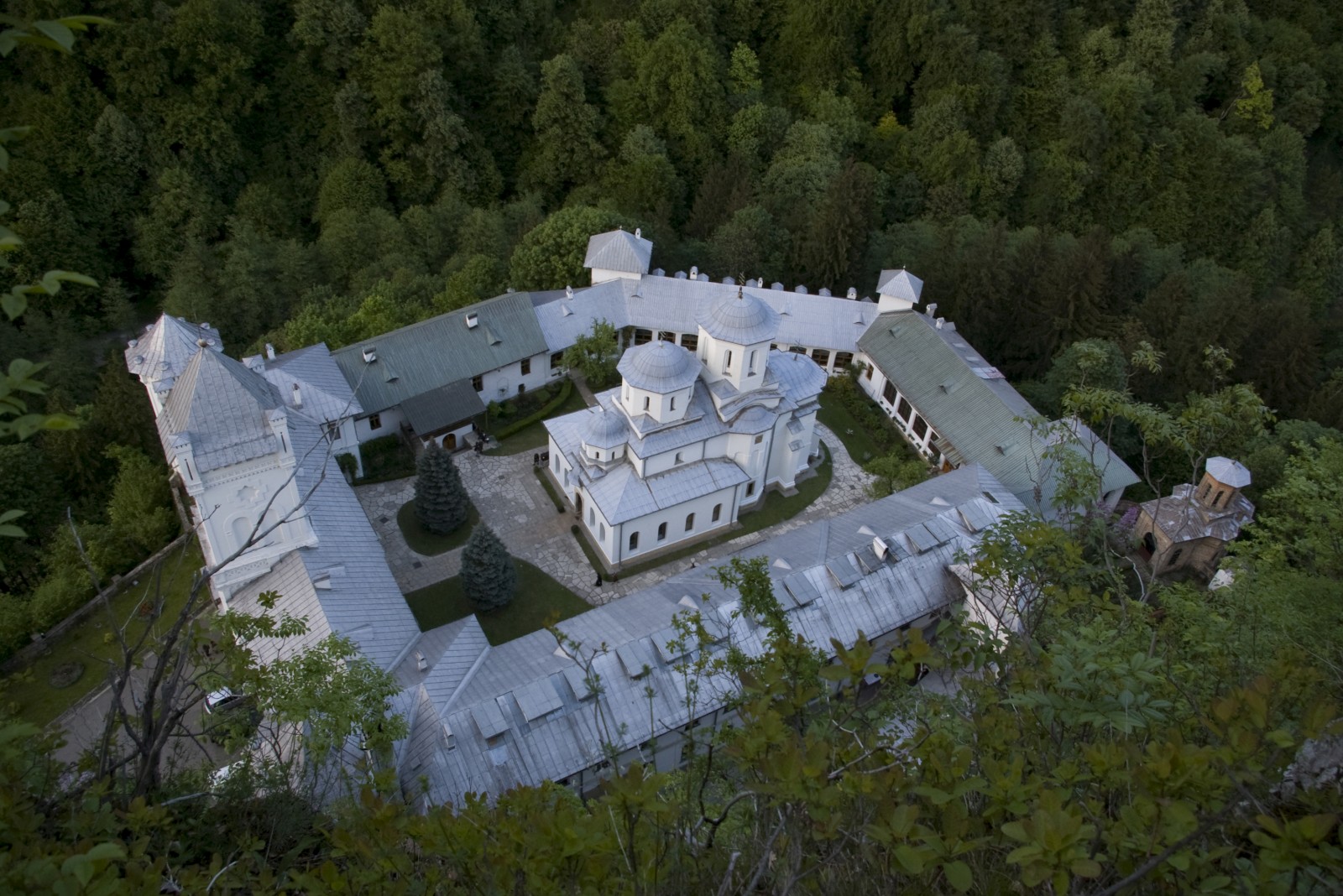
The gold detached in Dubno, about 4 tons, reached Bucharest. About a ton was sold, and the rest was deposited in the National Bank of Romania. At the end of the war, the Romanians hid about 3 tons of Polish gold in the Tismana Monastery in the mountains. NBP, exhibition catalog.
The communist authorities of Poland learned about this gold only in October 1945. In the summer of 1947, Romania agreed to release it. LOT Polish Airlines estimated the flight at 2.6 million zlotys, so military planes were used for just under 650,000 zlotys. The gold landed in Warsaw on September 18, 1947. Henryk Mikołajczyk, who transported the gold in 1939, flew with it in a Dakota. Over the Carpathians, the engine began to choke, the pilot was sweating, and Mikołajczyk imagined how the highlanders were collecting bars in the bushes. There.
The gold did not support the Polish army
A popular myth says that the rescued gold financed the Polish Armed Forces in the West. This is not true. IPN historian Janusz Wróbel writes that the government in exile treated the gold as the nation's treasure for post-war reconstruction and rejected ideas to liquidate it to support the government and the army. PAP (dzieje.pl), quote from Wróbel.
According to Prof. Rojek, the National Bank of Poland sold gold worth 41.9 million zlotys to the government, mainly for war expenses, which is about 9% of pre-war resources. By December 1943, 38.5 million zlotys had been used, and the rest was returned to the bank. NBP, exhibition catalog. The Polish army in the West was mainly supported by British loans. Przystanek Historia (IPN).
What the communists did with the gold
In July 1945, the Western powers withdrew recognition of the London government and recognized the Provisional Government of National Unity, which claimed the gold. Przystanek Historia (IPN). In 1946, the People's Republic of Poland reached an agreement with Great Britain. The USA and Canada unblocked deposits in 1946, but the new authorities left the gold in those banks.
The National Bank of Poland states outright: the gold never physically returned to the country and was entirely used by the authorities of the People's Republic of Poland. It was sold or served as collateral for loans, and when the loans were not repaid, the collateral was lost. NBP, "Gold as a Component of Foreign Currency Reserves". The exception was smaller batches, like the gold from Romania in 1947. The custodian of the gold was Hilary Minc, and the money mainly went to heavy industry and armaments. Przystanek Historia (IPN).
After the currency exchange in 1950, the value of the gold of the National Bank of Poland in the books "shrunk to 11.8 million zlotys". In 1952, the bank that saved the gold was declared liquidated. NBP, exhibition catalog.
The gold from 2019 is different gold
In 2019, the National Bank of Poland brought back about 100 tons of gold from the Bank of England. The operation was completed in November: eight flights of 1000 bars, police convoys, and helicopters. BullionStar on the NBP operation from 2019. NBP President Adam Glapiński stated: "For the first time since before the war, we have significant gold reserves in the country." aleBank.pl. The value of the imported gold was about 18.3 billion zlotys. money.pl.
It is often said that in 2019, gold "returned from 1939" to Poland. This is not true. The gold of the National Bank of Poland was used by the People's Republic of Poland. In 2019, gold was imported that the NBP purchased contemporaneously, including in 2018-2019. The year 1939 is only a symbolic frame here.
Myths and inaccuracies about Polish gold
| Claim | Verdict | What sources say |
|---|---|---|
| Exactly 75 tons of gold were evacuated | Uncertain | Sources provide different numbers, from about 60 to 75 tons of evacuated gold. The value of the resources is certain: 463.6 million zlotys. |
| The gold financed the government and army in exile | False | About 9% of the resources went to war expenses, and the army was financed by British loans. |
| In 2019, gold saved in 1939 returned | False | The gold from 1939 was used by the People's Republic of Poland. In 2019, gold purchased contemporaneously was brought back. |
| Matuszewski commanded the entire operation from Warsaw | Oversimplification | Transport was organized by Colonel Koc, the Łuck-Śniatyń section was led by Floyar-Rajchman, and Matuszewski commanded from Śniatyn to France. |
| The gold was transported by a warship or submarine | False | The gold crossed the Black Sea on the civilian tanker Eocene under the British flag. |
| The Poles bribed Romanian officials | Unconfirmed | We did not find a source that describes this. |
What could not be established
- The exact weight of the evacuated gold and the number of boxes. Sources provide different values.
- Losses along the way. One of the IPN historians writes about discrepancies in the inventory in Dakar of over 10% against Poland. Prof. Rojek in the NBP catalog claims that no part of the resources was lost.
- Some dates. Arrival in Istanbul (September 16 or 19) and recovery of the gold in Africa (January or late February and early March 1944).
- Payment to Turkey. A popular text claims that the Turks demanded 30,000 dollars for transport by rail, but we did not find this in other sources.
- How much gold was seized and taken away by the PRL authorities. Estimates are conflicting, and IPN historian Krzysztof Kopeć writes that a detailed account is not possible today.
Comments (0)
No comments yet. Be the first!