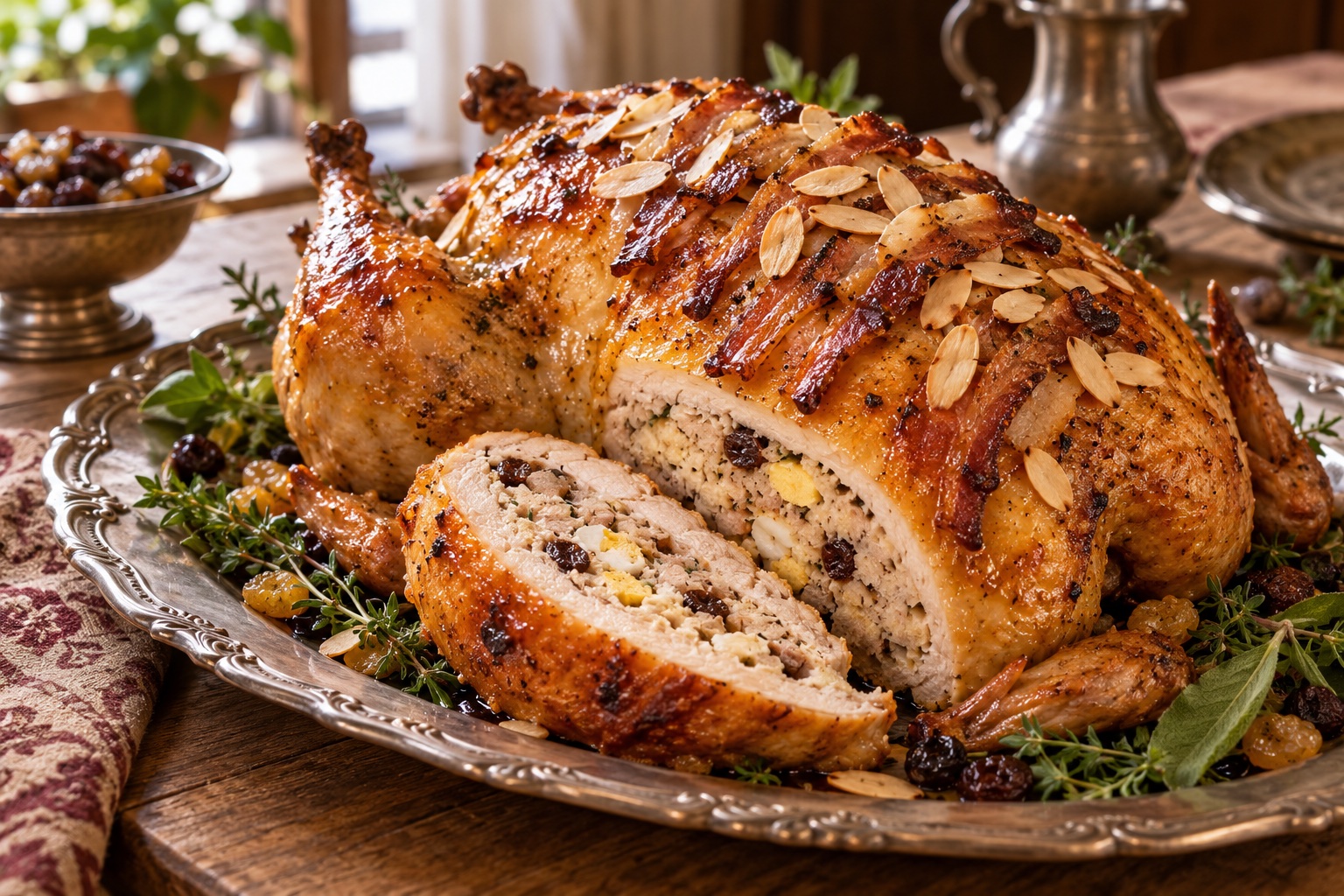
Kapłon faszerowany po staropolsku
A festive capon with a spiced filling of breast meat, breadcrumbs, and raisins, covered with bacon and almonds. A modern adaptation of a recipe from 1682.

Tried and tested recipes, including the ones brought from home. For the ingredients we tell you what to use instead abroad.
A festive capon with a spiced filling of breast meat, breadcrumbs, and raisins, covered with bacon and almonds. A modern adaptation of a recipe from 1682.

Soft, thin pancakes with a delicate layer of hazelnut cocoa cream. How to spread the batter, fry flexible pancakes, and fill them so that the filling doesn't ooze out.
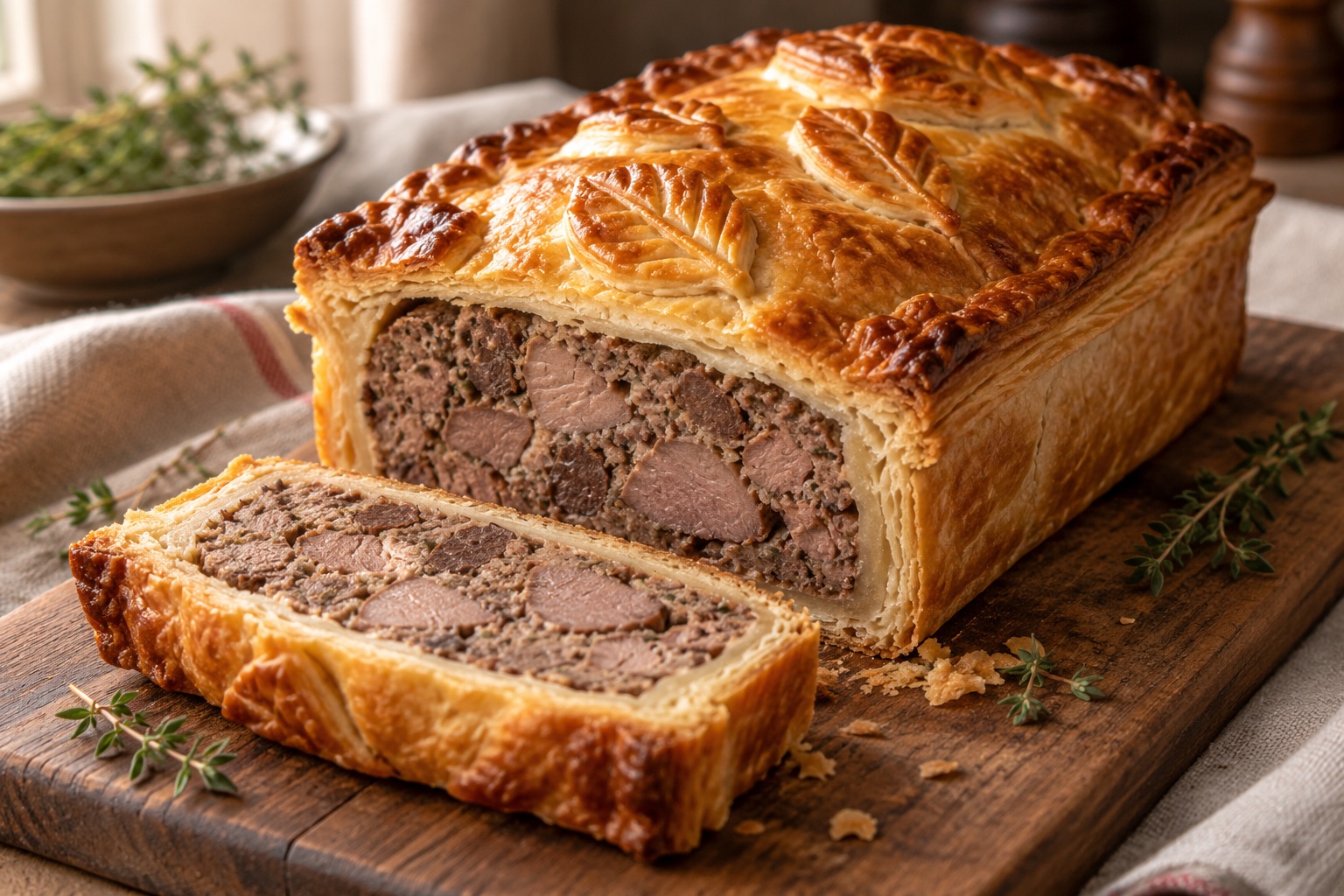
Pâté with pieces of braised hare, pork, and liver under a crispy puff pastry. With a plan for folding the dough, cooling the filling, and baking.
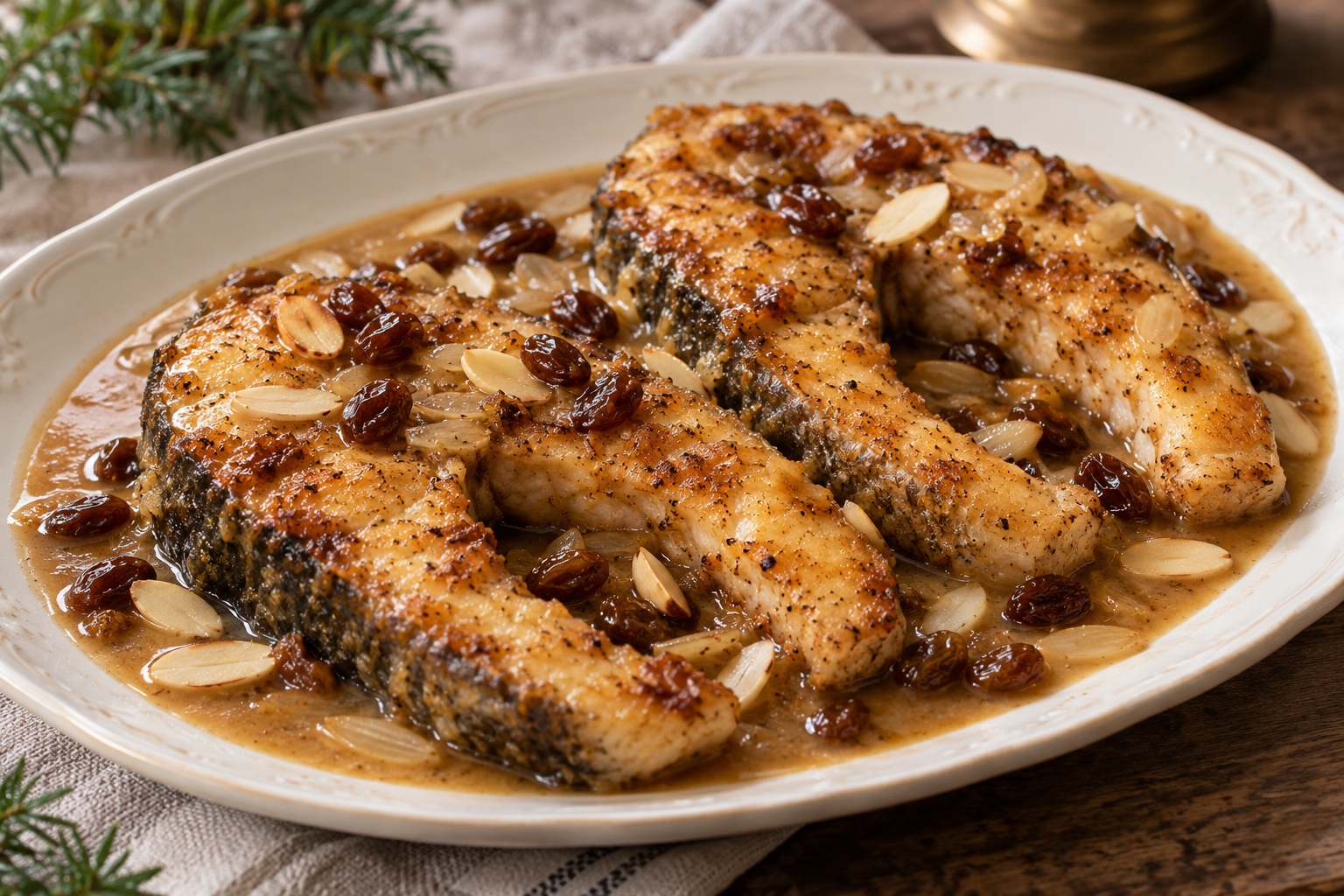
Fried carp fillets in a sweet and sour sauce made from caramel, red wine, raisins, and almonds. A variant without blood and gingerbread, with a separate preparation of the sauce.
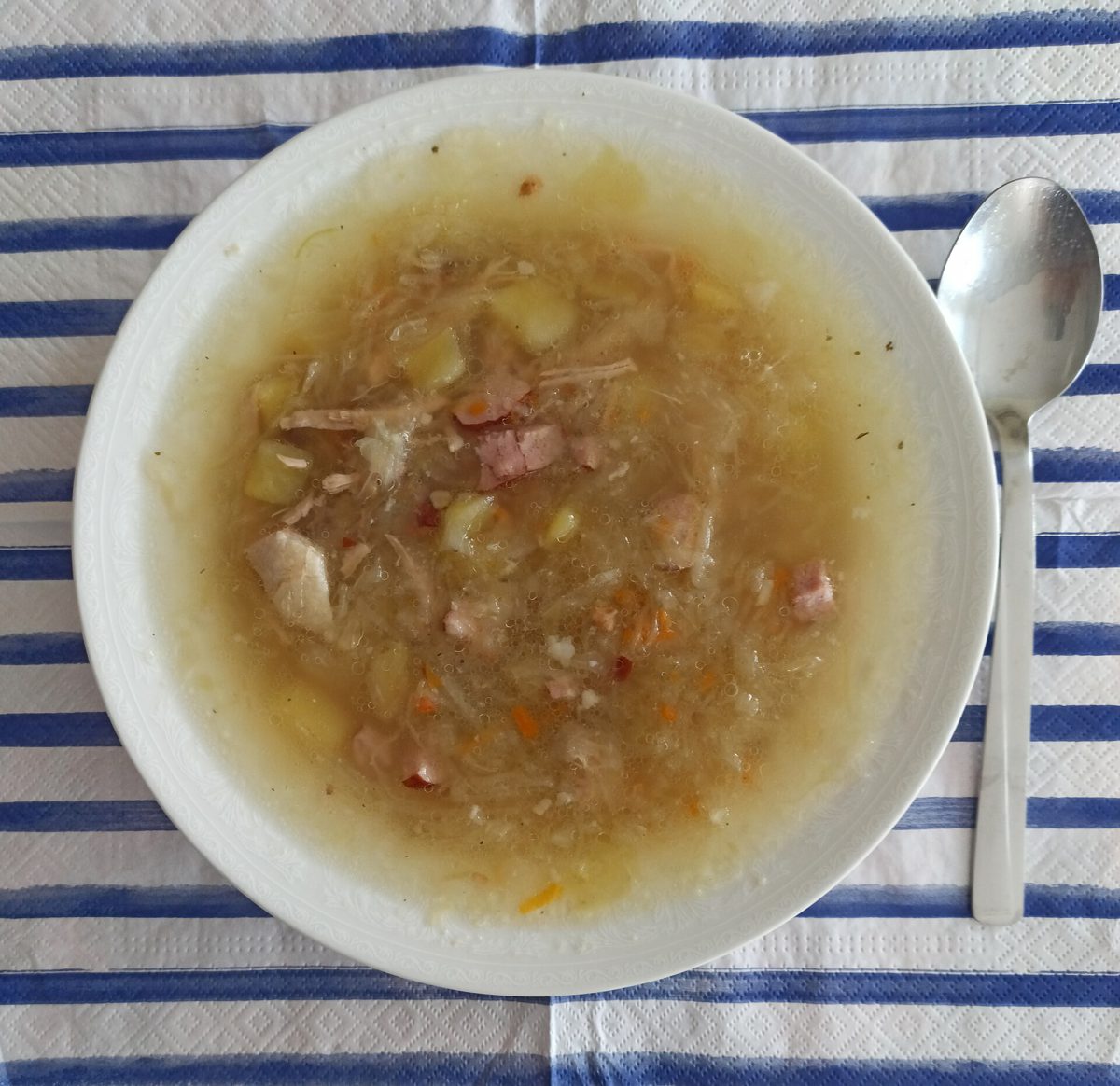
A thick soup made from sauerkraut, pork ribs, potatoes, smoked bacon, caraway seeds, and marjoram. Includes tips on rinsing the cabbage, how to avoid oversalting the soup, and what sauerkraut to buy abroad.
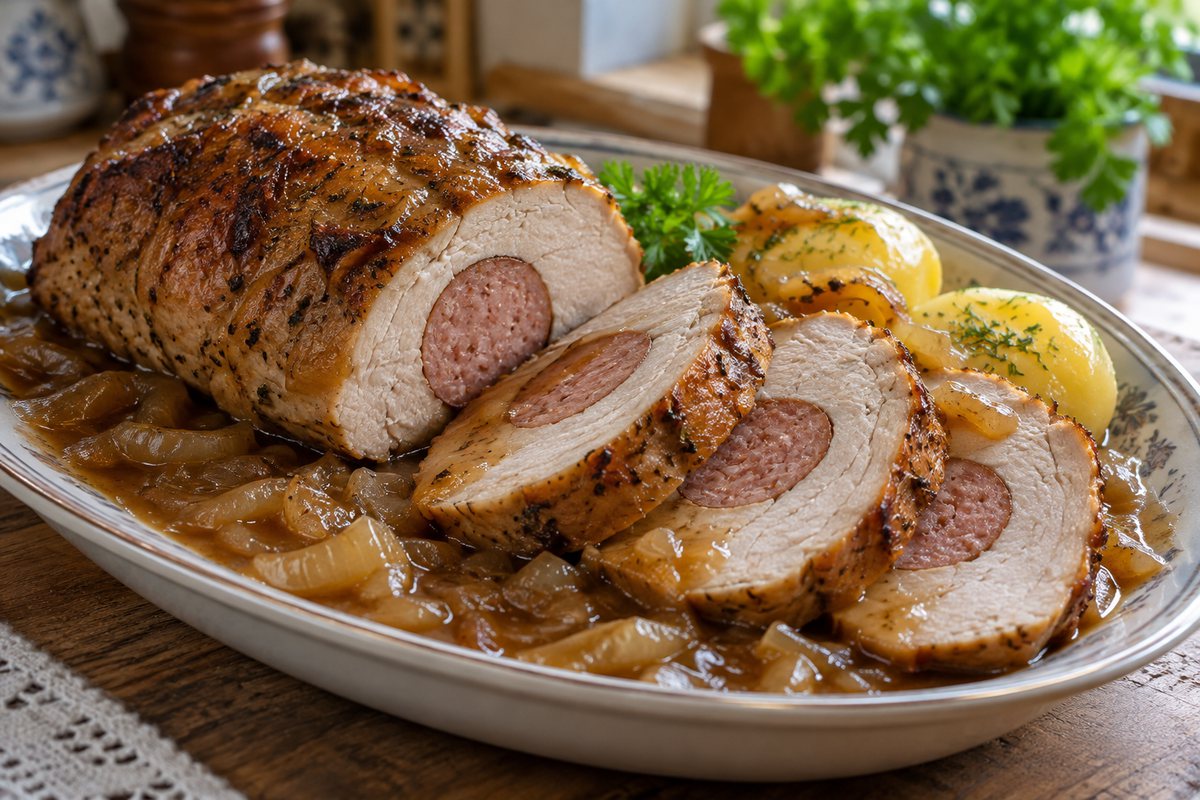
Silesian roast pork loin with sausage inside and onion sauce. How to make a tunnel, tie the meat, control the temperature, and cut even slices.
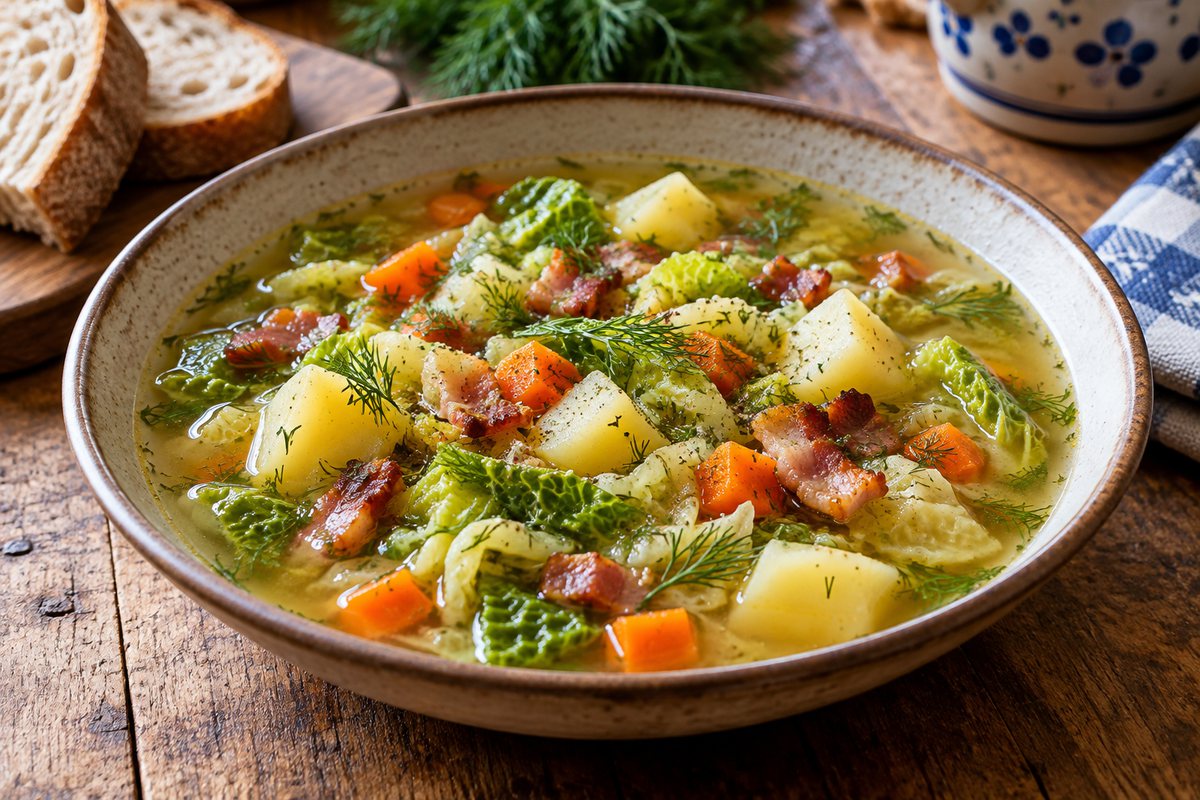
A thick, unthickened soup made from fresh savoy cabbage, potatoes, and bacon. A homemade version with dill, without sauerkraut and without a flour roux.
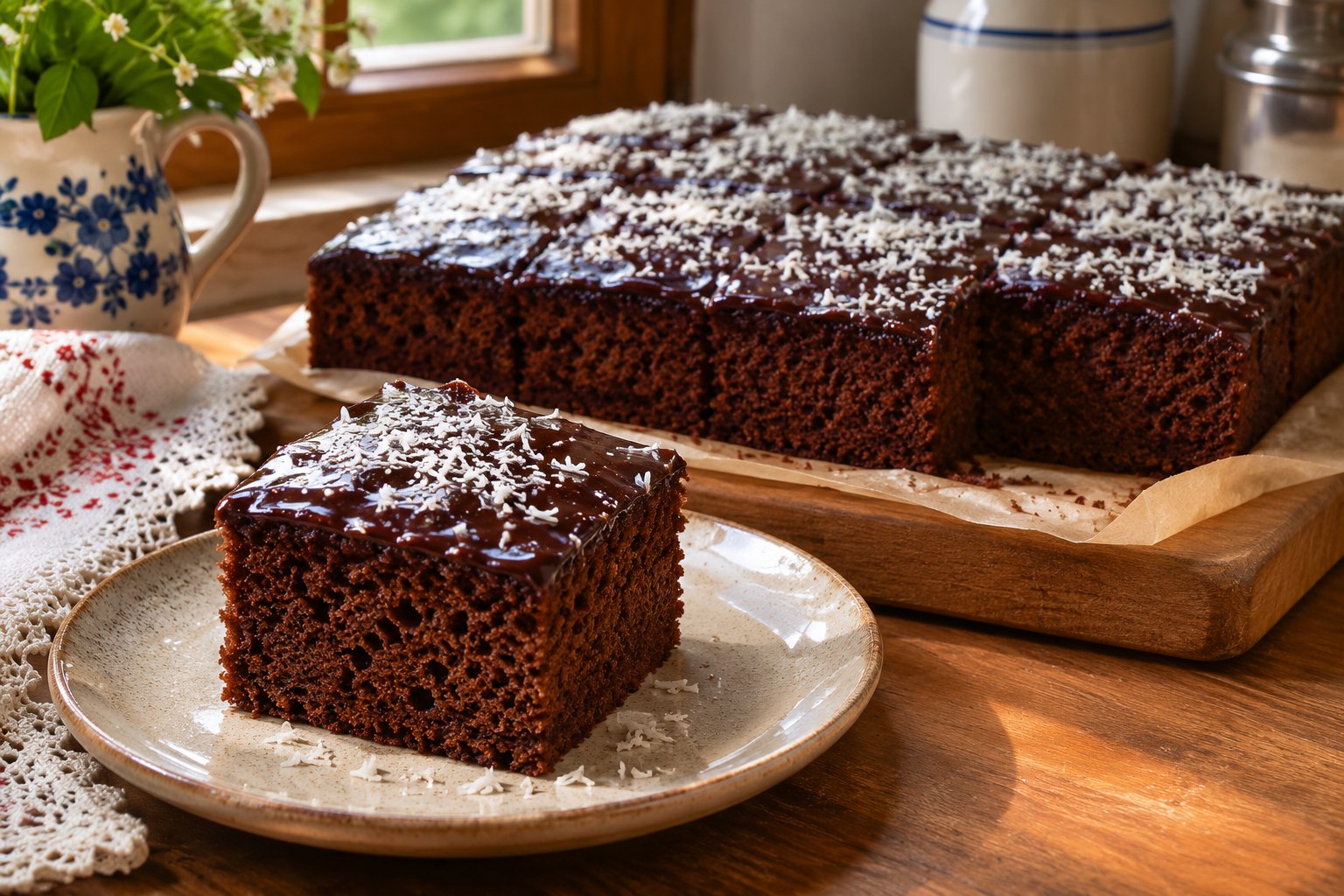
Moist homemade cocoa cake baked in a pan, made from a cooked mixture of butter, sugar, cocoa, and milk, part of which is reserved for the glaze. The recipe is for a 20×30 cm (8×12 inch) pan or a loaf pan, with a method for fluffy cake without a soggy bottom and tips on which cocoa to buy abroad.
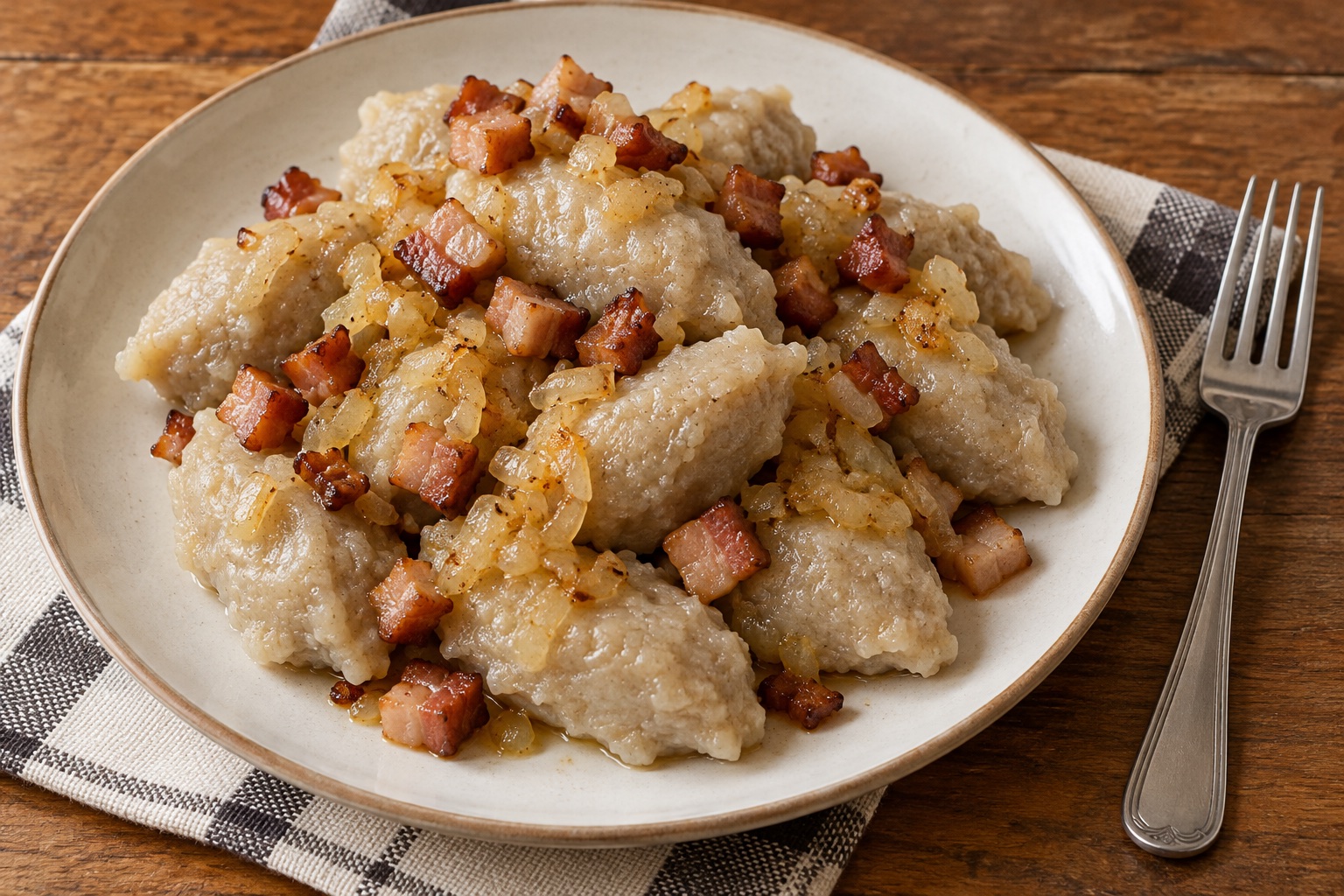
A dish from Greater Poland made with raw grated potatoes. It involves recovering starch, testing a dumpling, and ensuring the mixture doesn't fall apart in water.
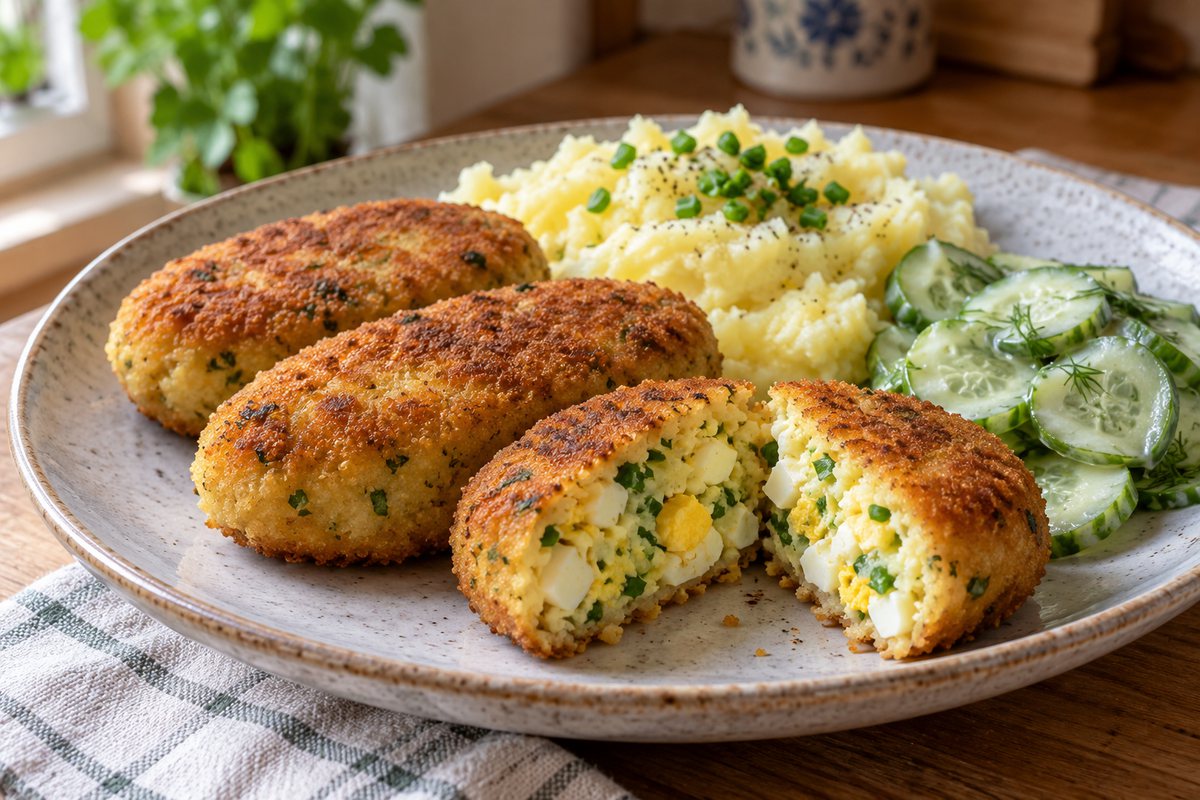
Golden patties made from finely chopped hard-boiled eggs and chives, with a thin breadcrumb coating. How to bind the mixture and fry them without falling apart.

A warm, soft roll with a thin kabanos sausage tucked inside and a bit of ketchup and mustard. A homemade recreation of a simple train station flavor, without mayonnaise or white sauces.
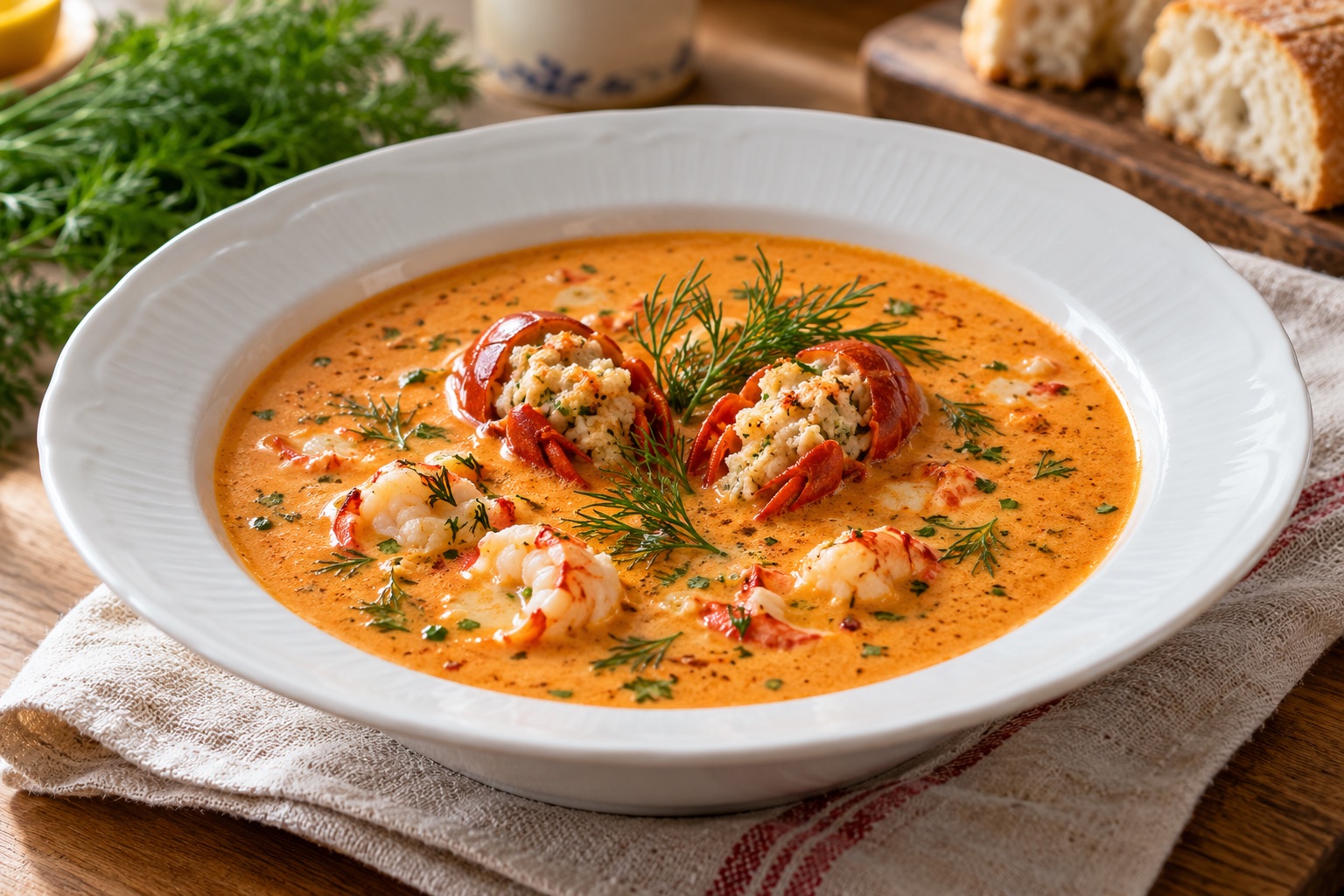
An old soup with an orange color obtained from crayfish butter. It involves separating the meat, straining the broth, and baking the filling in cleaned shells.
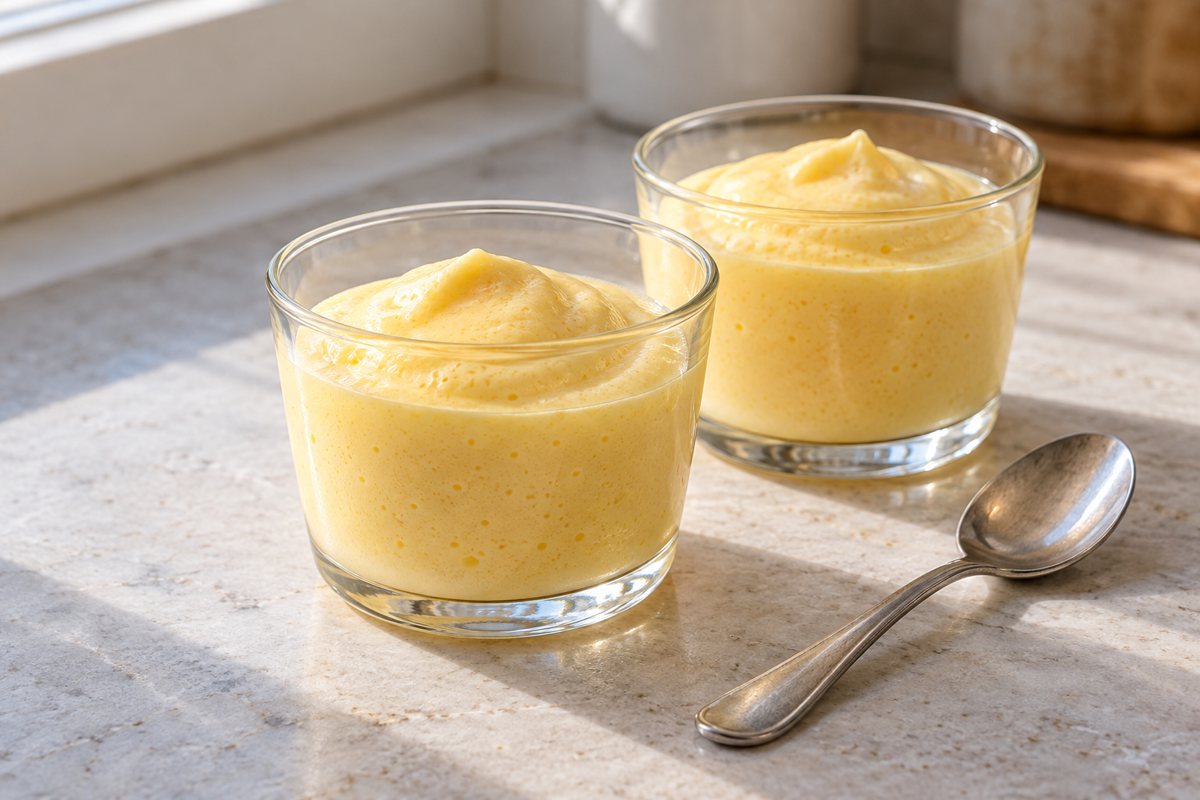
A light, fluffy cream made from egg yolks and sugar, whipped as it used to be. The modern version uses pasteurized yolks suitable for no-cook desserts.
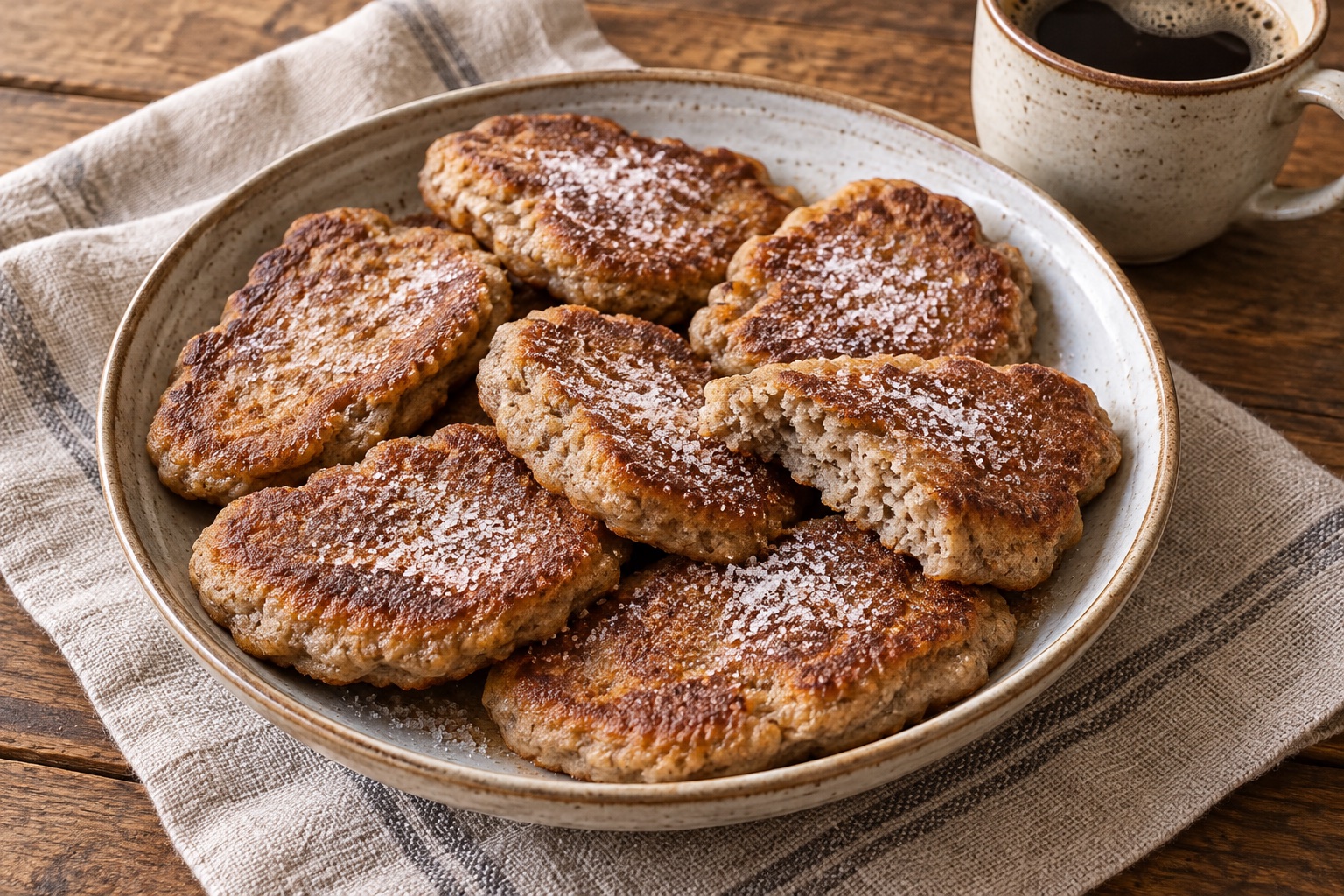
Small fried pancakes made from rye bread dough, served with sugar. An egg-free version, using active sourdough and a clearly defined fermentation time.
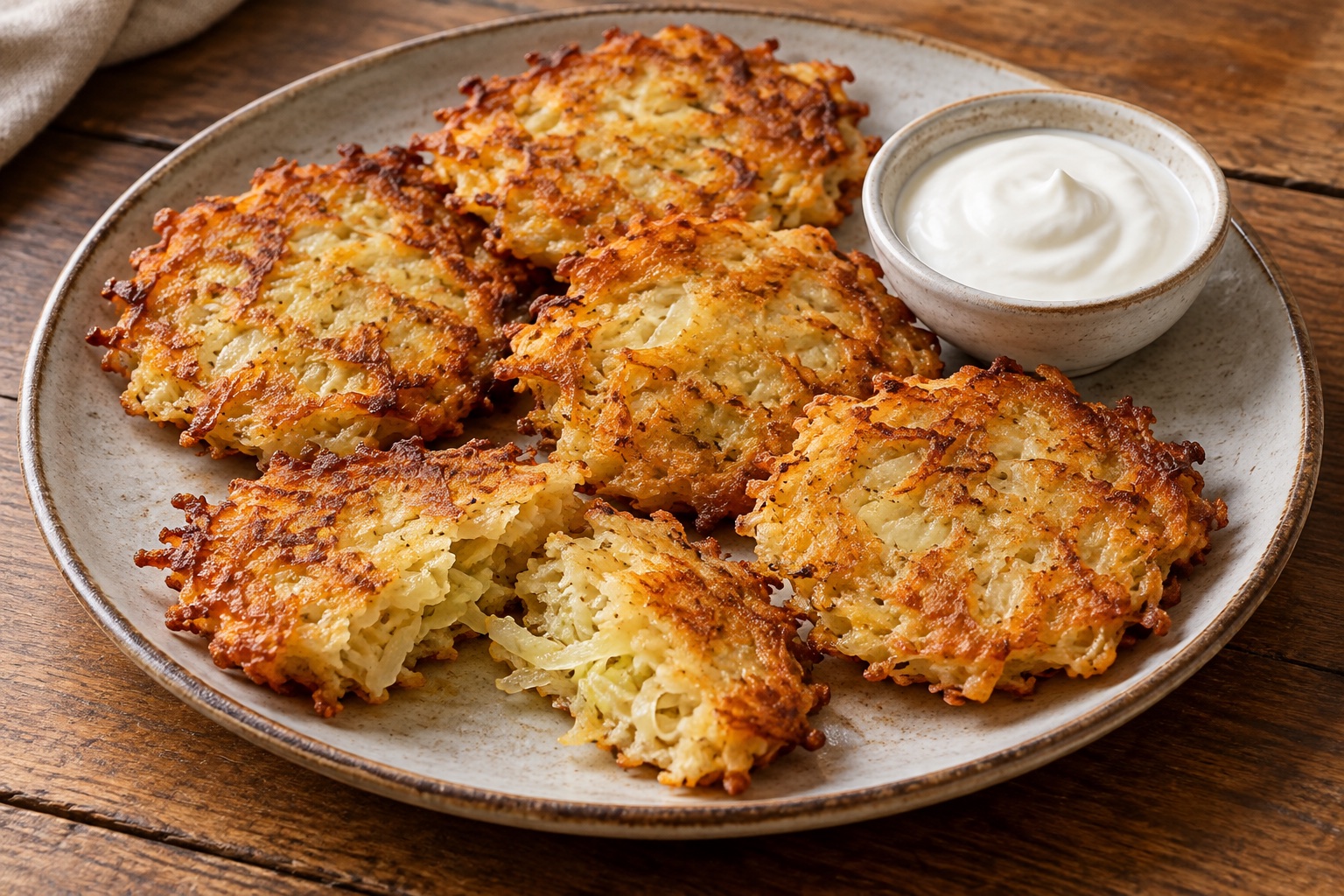
Golden pancakes made from finely chopped sauerkraut. With measurements after squeezing, a test pancake, and tips on frying the center without burning the edges.

Warsaw wuzetka from a baking tray: two layers of cocoa sponge cake, jam, a thick layer of whipped cream, chocolate glaze, and a dollop of cream on each piece. Learn how to bake a fluffy sponge, whip stable cream, and what cream to buy in the USA, UK, and Germany.
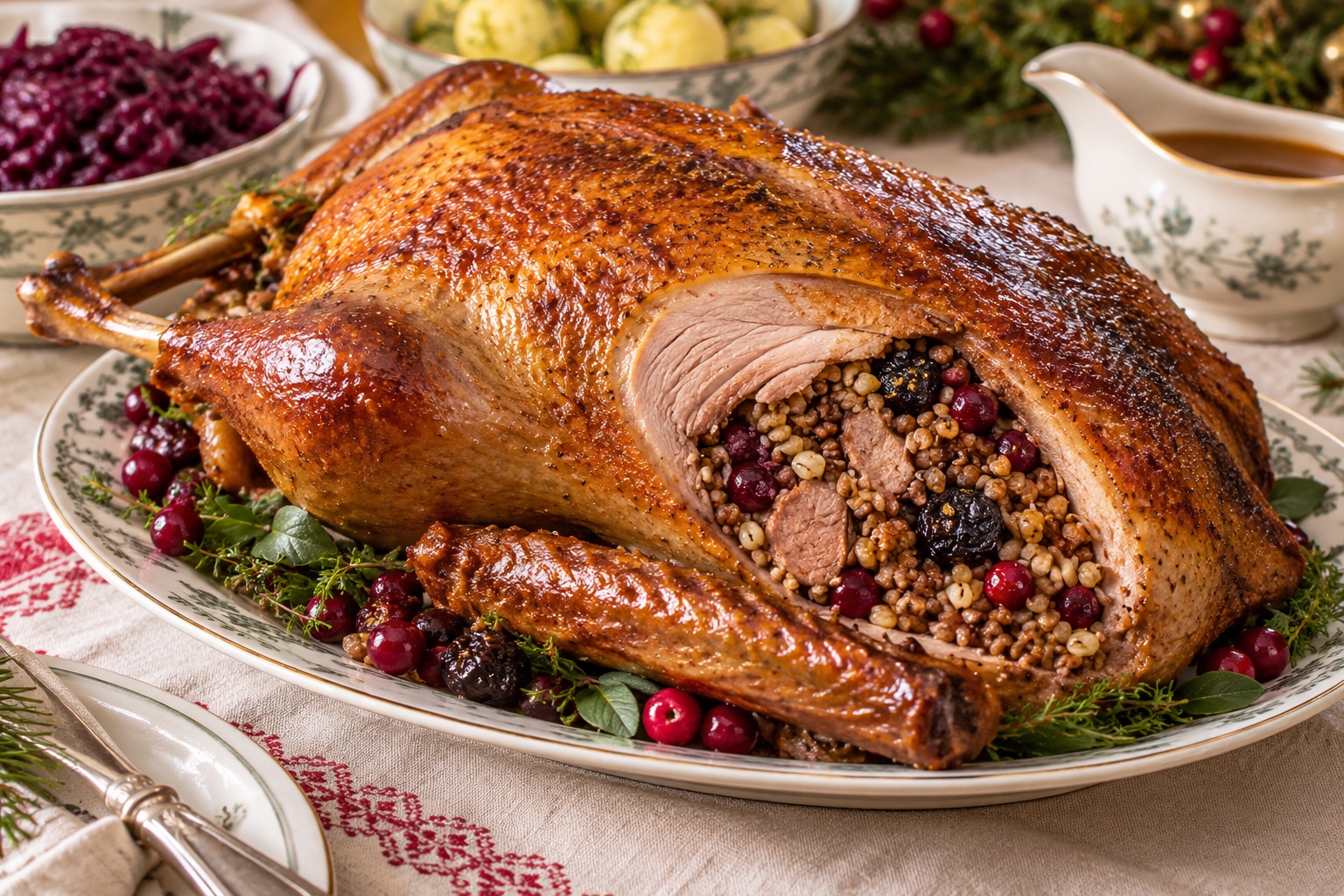
A boneless goose body filled with a mixture of two grains, offal, and dried fruits. A detailed guide on deboning, tying, and roasting with temperature control.
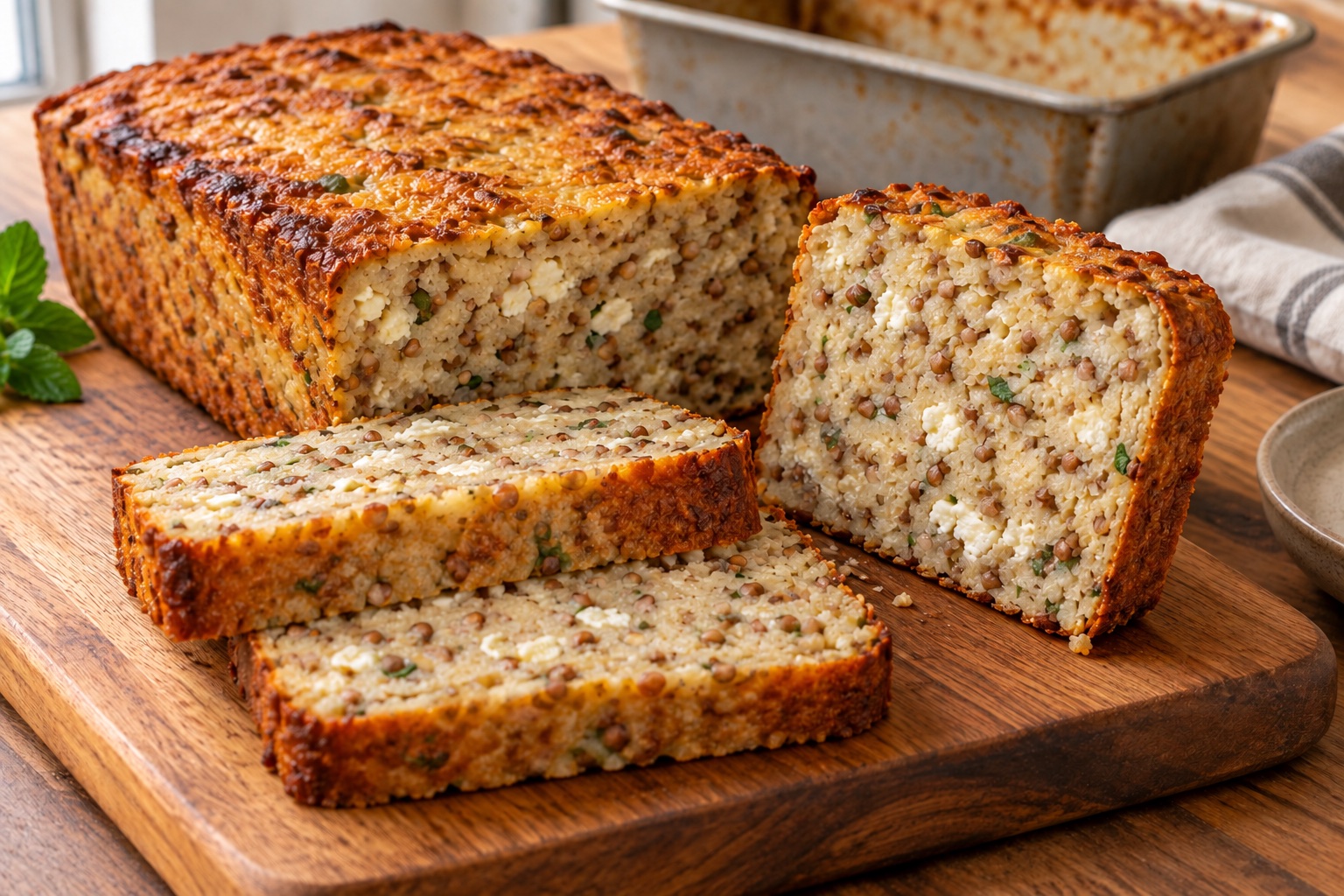
A savory baked dish made from potatoes, buckwheat, and cheese. A homemade version with mint, including instructions for adjusting moisture and cutting after resting.
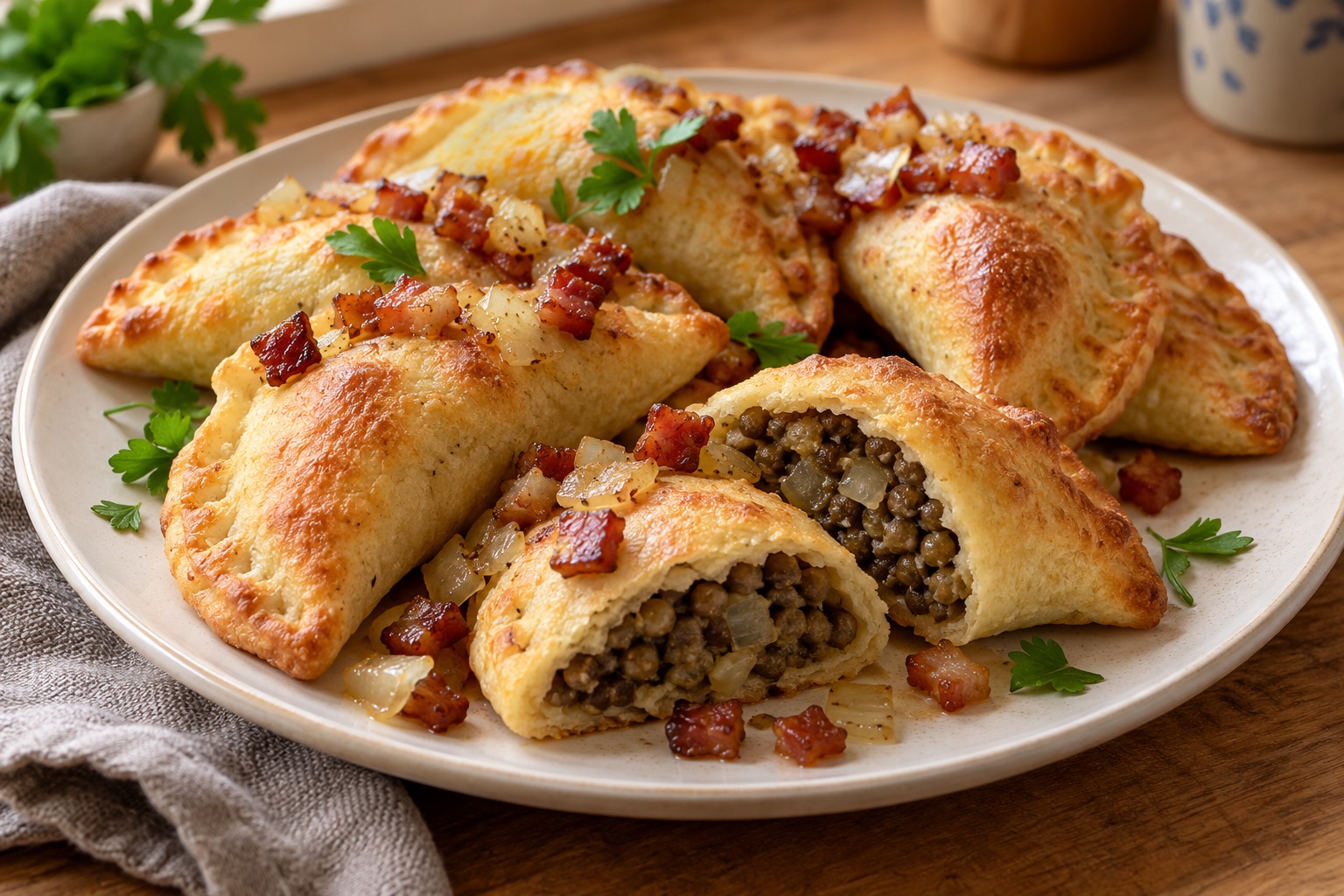
Baked dumplings made from potato dough, filled with green lentils and onions. Crispy skin, soft filling, and traditional topping with bacon.
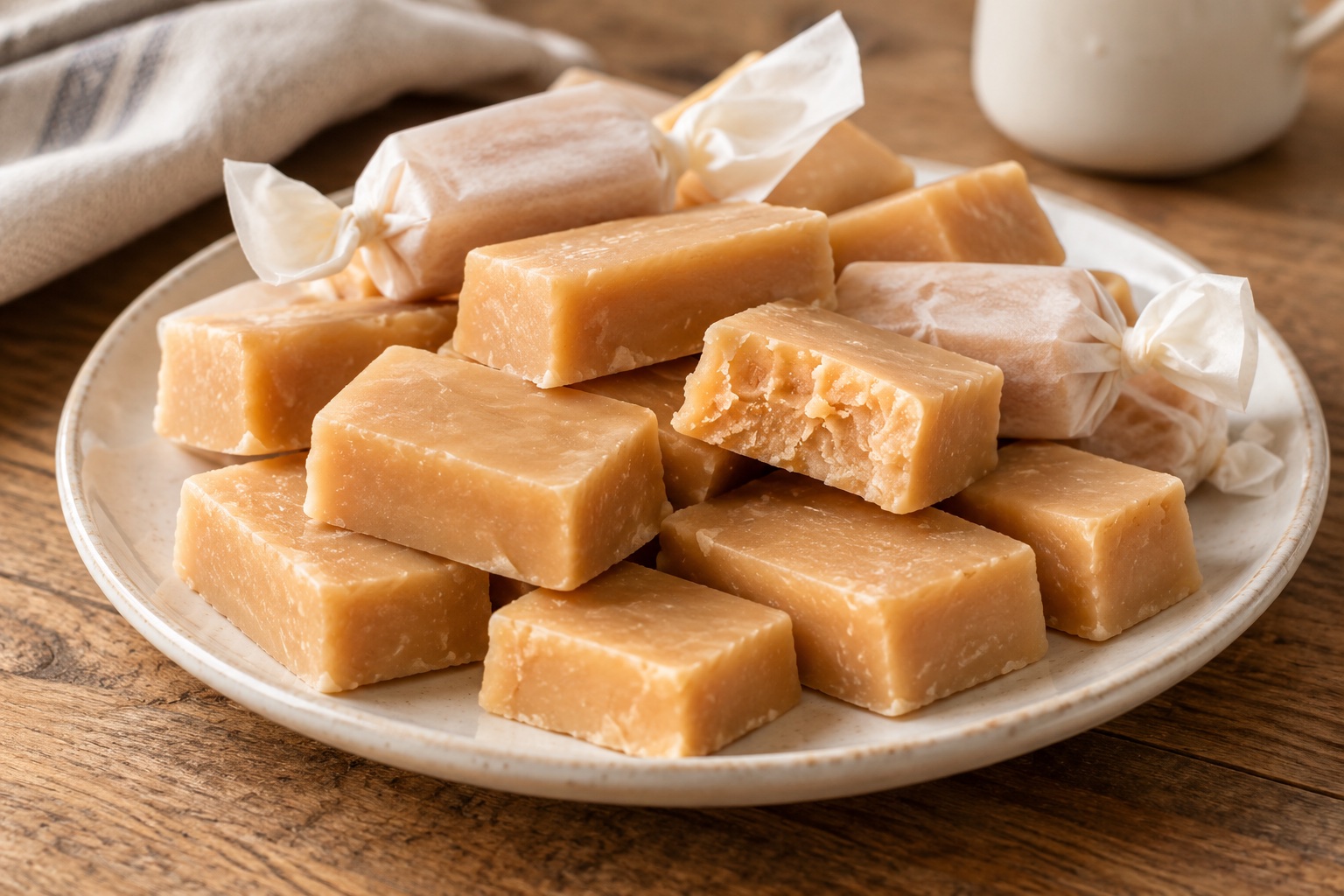
Milk-caramel candies made from unsweetened evaporated milk, butter, and sugar. With temperature control, consistency testing, and cutting after cooling.

Large baked yeast dumplings filled with sauerkraut, millet, and dried mushrooms. A meatless version with a decorative edge sealing.
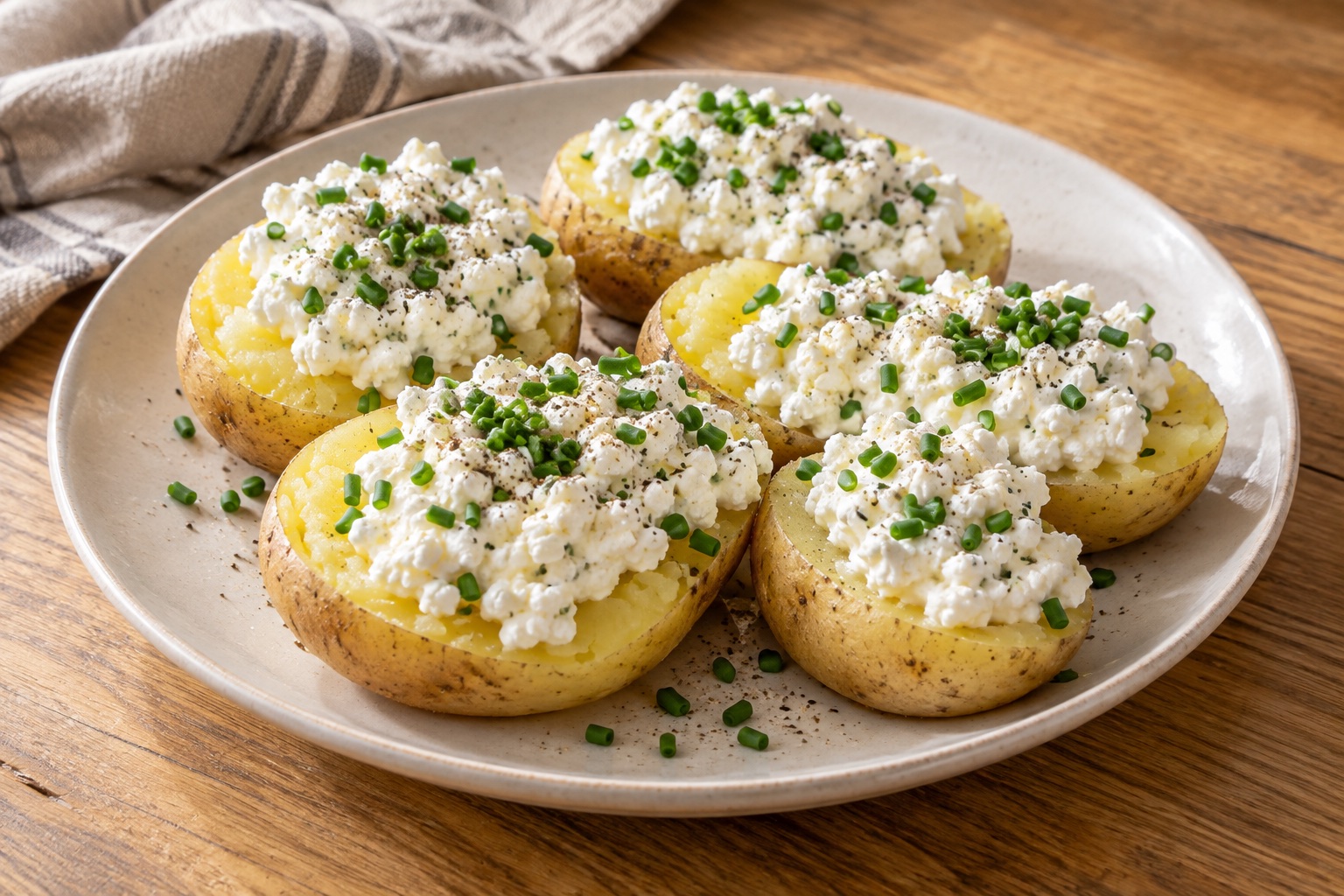
Boiled potatoes in their skins served with cool cottage cheese, sour cream, and chives. A meatless dish from Greater Poland: with instructions for making thick gzik and tips on choosing cheese abroad.
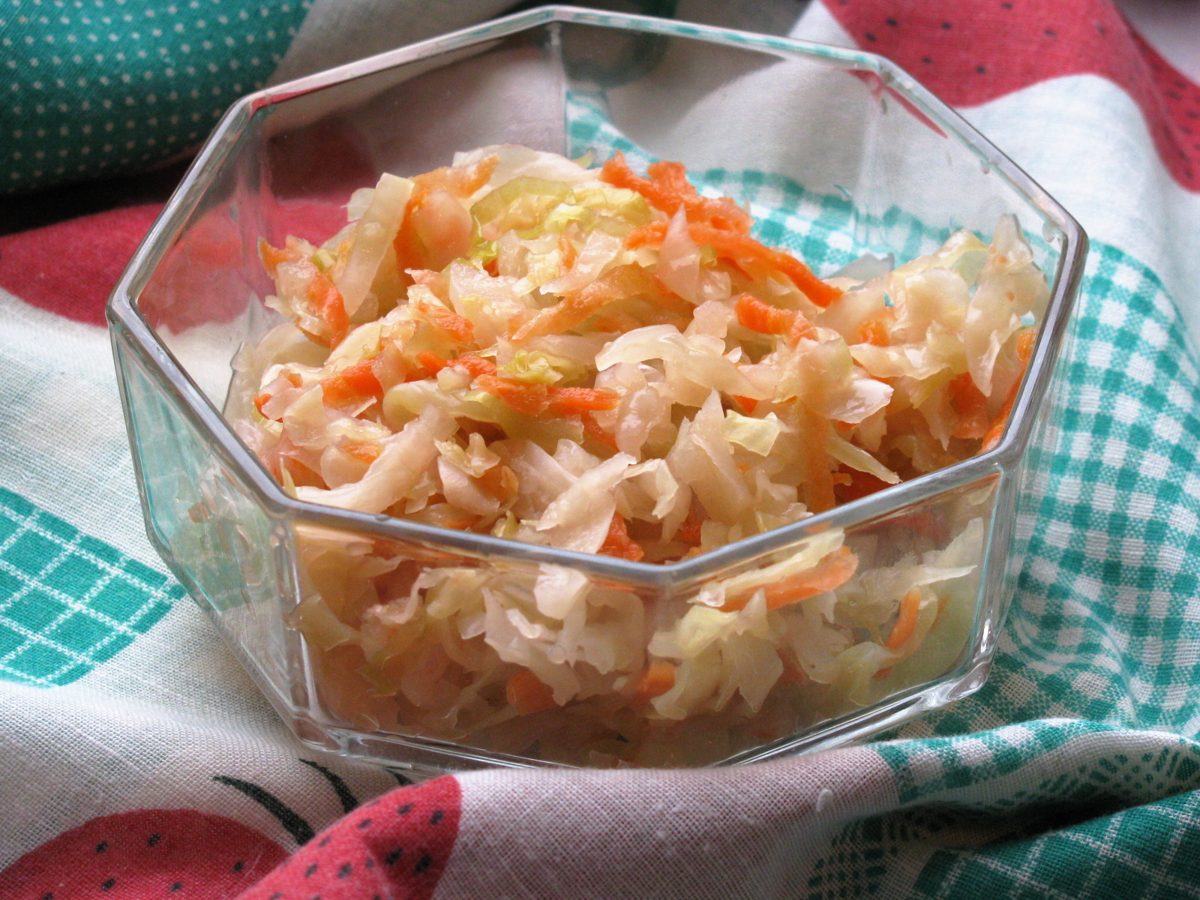
Sauerkraut made from white cabbage, carrots, salt, and caraway, pressed in a fermentation crock or jars so that it remains submerged in its own juice. This includes guidance on how much salt to use for 5 kg of cabbage, how to release gases, what to do with scum, and what containers to buy abroad.
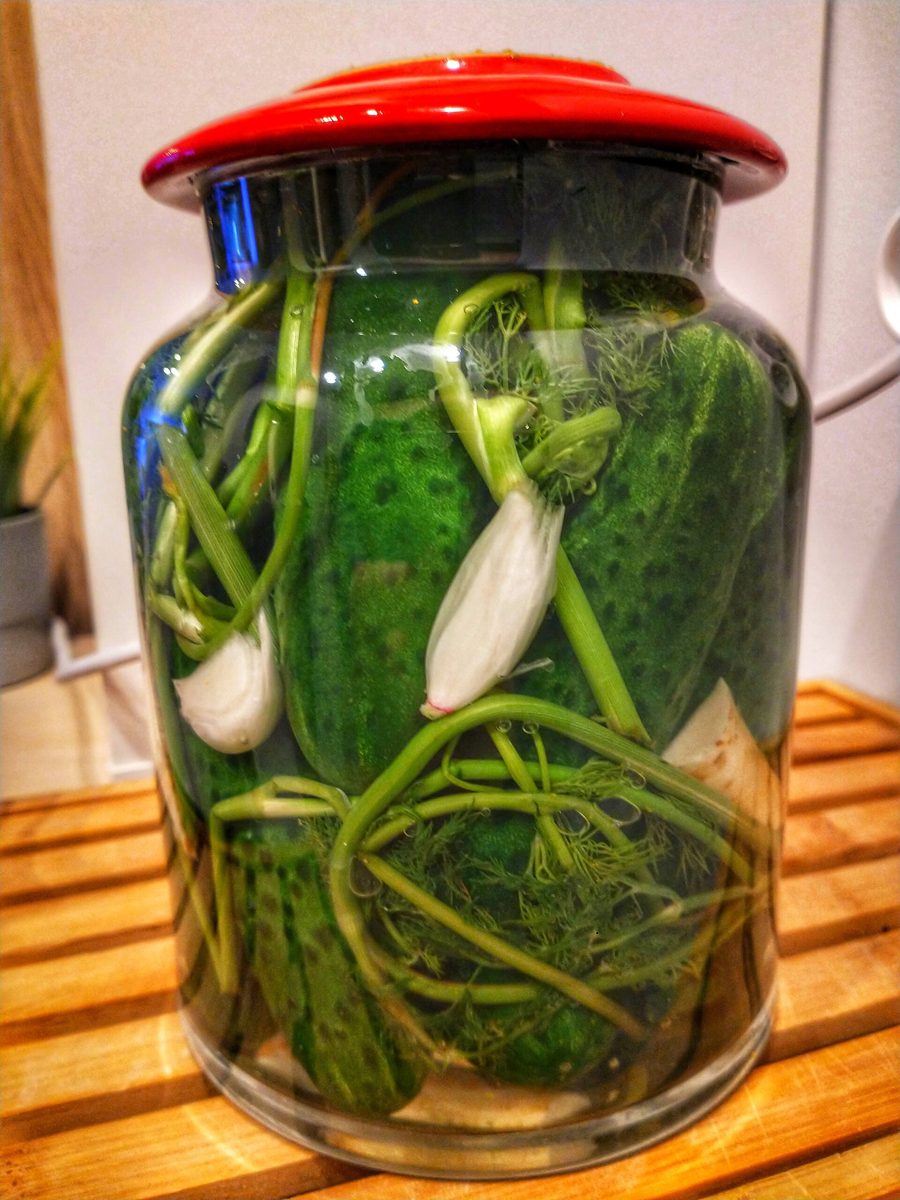
Small cucumbers in lightly salted water with dill, garlic, and horseradish, ready to eat in just 2–3 days. This recipe discusses how much salt to use per liter of water, the difference between hot and cold brine, how to tell when the cucumbers are ready, and what cucumbers and salt to buy abroad.
Family recipes, cooked at home for years and written down step by step.
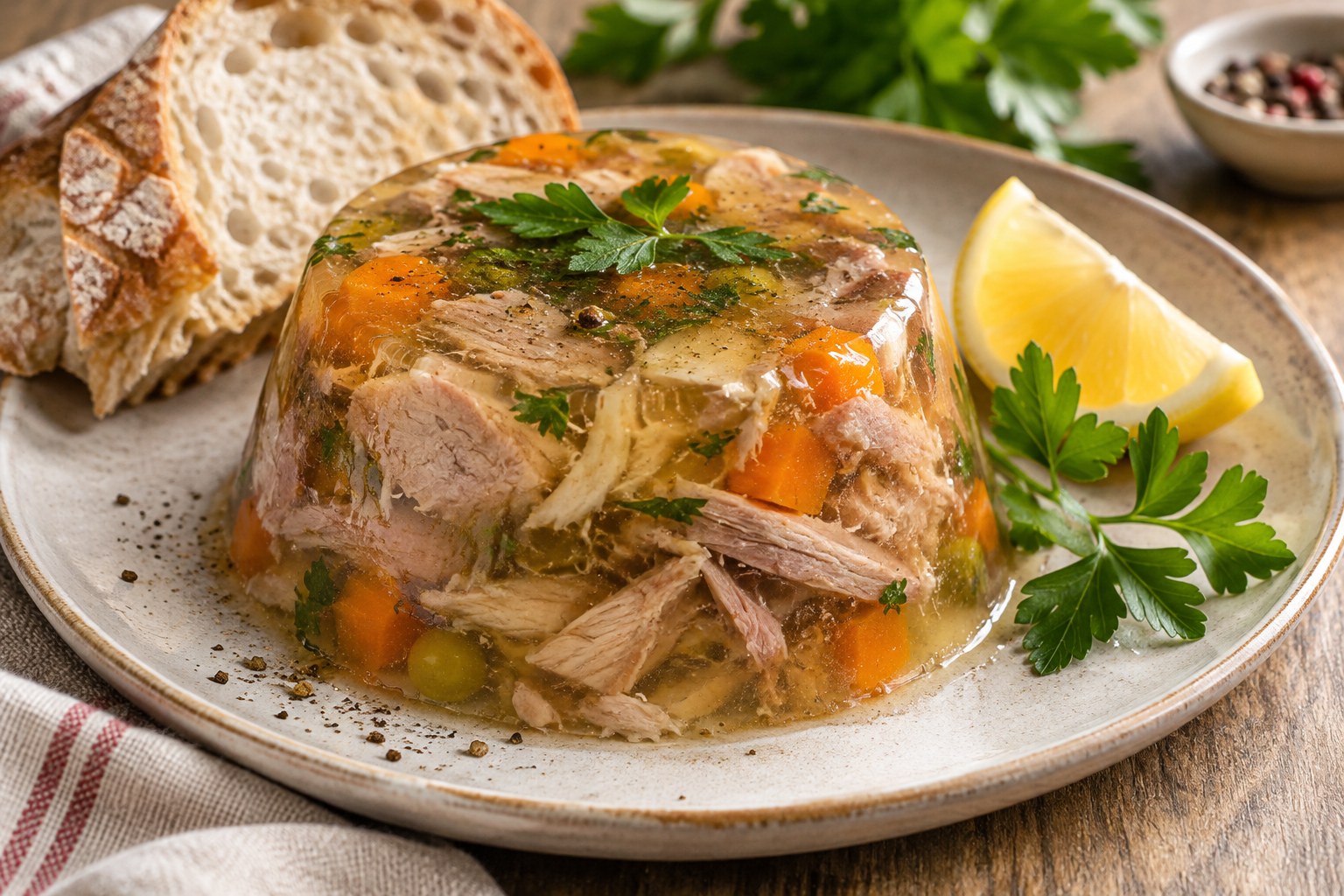
Homemade meat jelly made from pig trotters and pork hock, cooked with vegetables and spices. The trotters give the broth the right strength, allowing the jelly to set without gelatin. Serve it with lemon or vinegar. After cooking, it needs a few hours to cool.
A thick soup made from sauerkraut, pork ribs, potatoes, smoked bacon, caraway seeds, and marjoram. Includes tips on rinsing the cabbage, how to avoid oversalting the soup, and what sauerkraut to buy abroad.
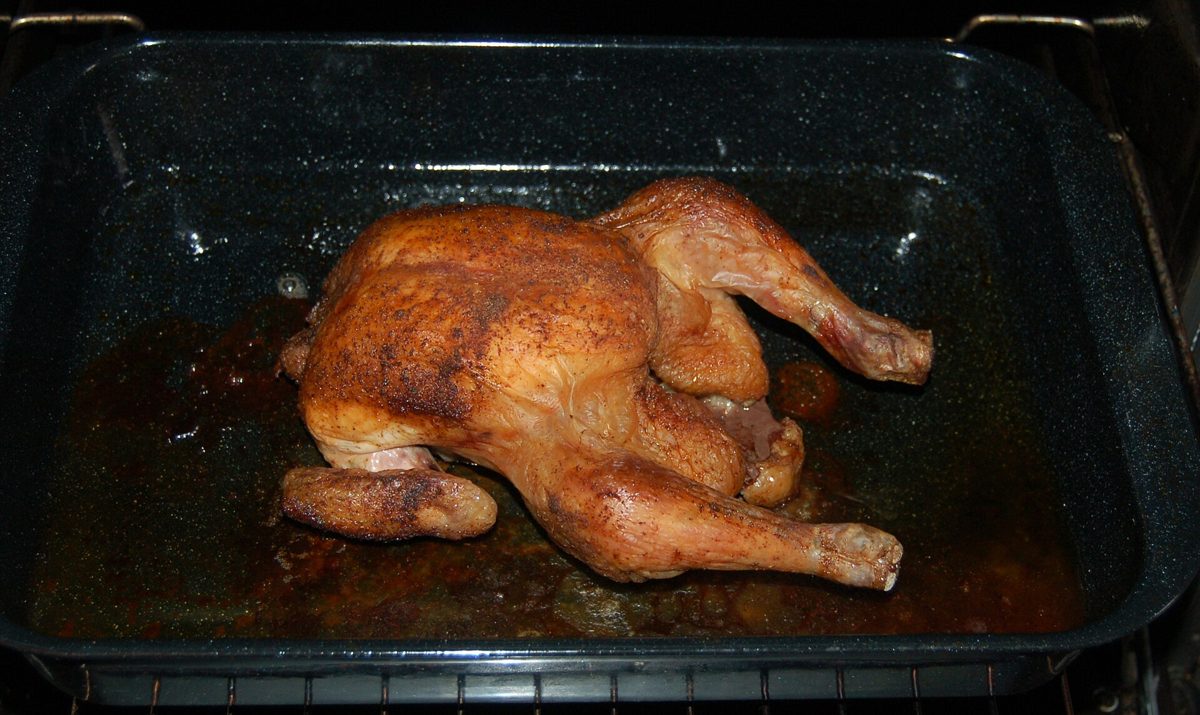
A whole chicken rubbed with salt, pepper, sweet paprika, garlic, and marjoram, roasted in a pan and basted with its own fat, with a stuffing of bread and liver if desired. Here’s how to roast it step by step, how to check with a thermometer if it’s ready, and what kind of chicken to buy abroad.
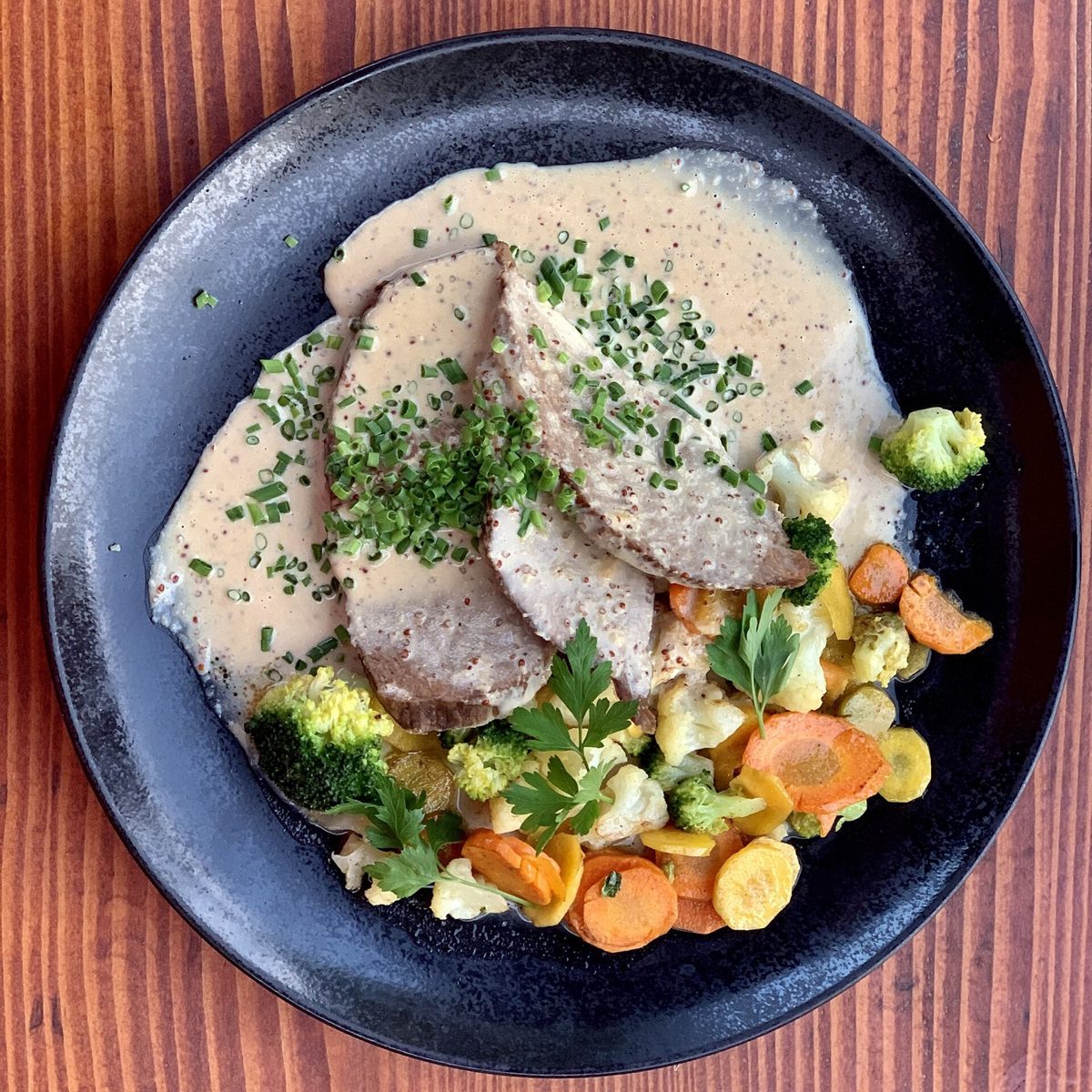
A piece of beef slowly cooked with root vegetables until tender, sliced against the grain, and topped with a light sauce made from roux, broth, cream, and horseradish. This includes tips on which cut of beef to buy in Poland and abroad, how to avoid losing the sharpness of horseradish, and the differences between 'prepared horseradish' and American 'horseradish sauce.'
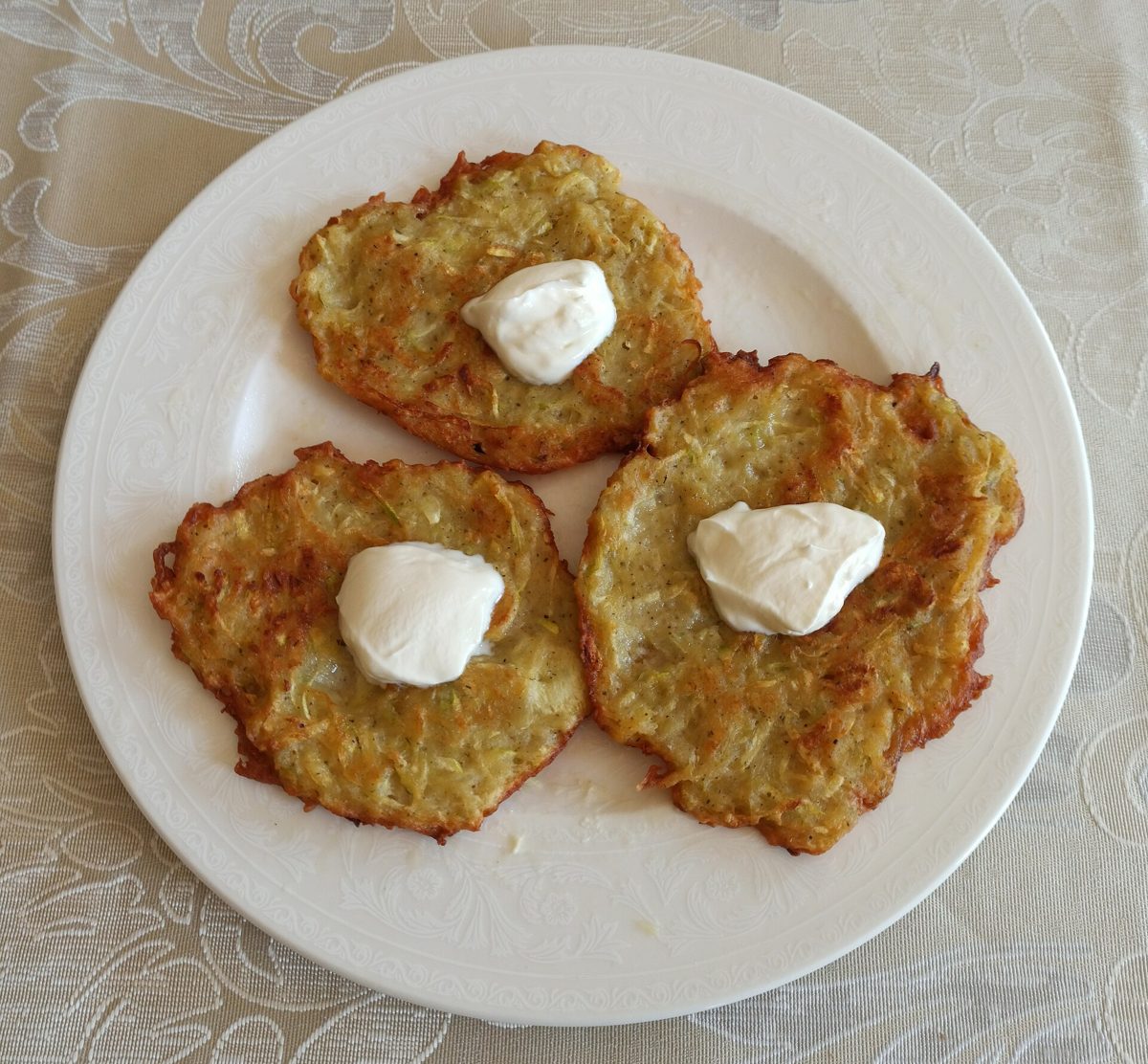
Homemade zucchini fritters made with grated zucchini, eggs, flour, garlic, and dill, fried in a pan and served with garlic yogurt sauce or sour cream. Tips on how to remove water from zucchini to prevent the fritters from falling apart, and what to buy abroad.
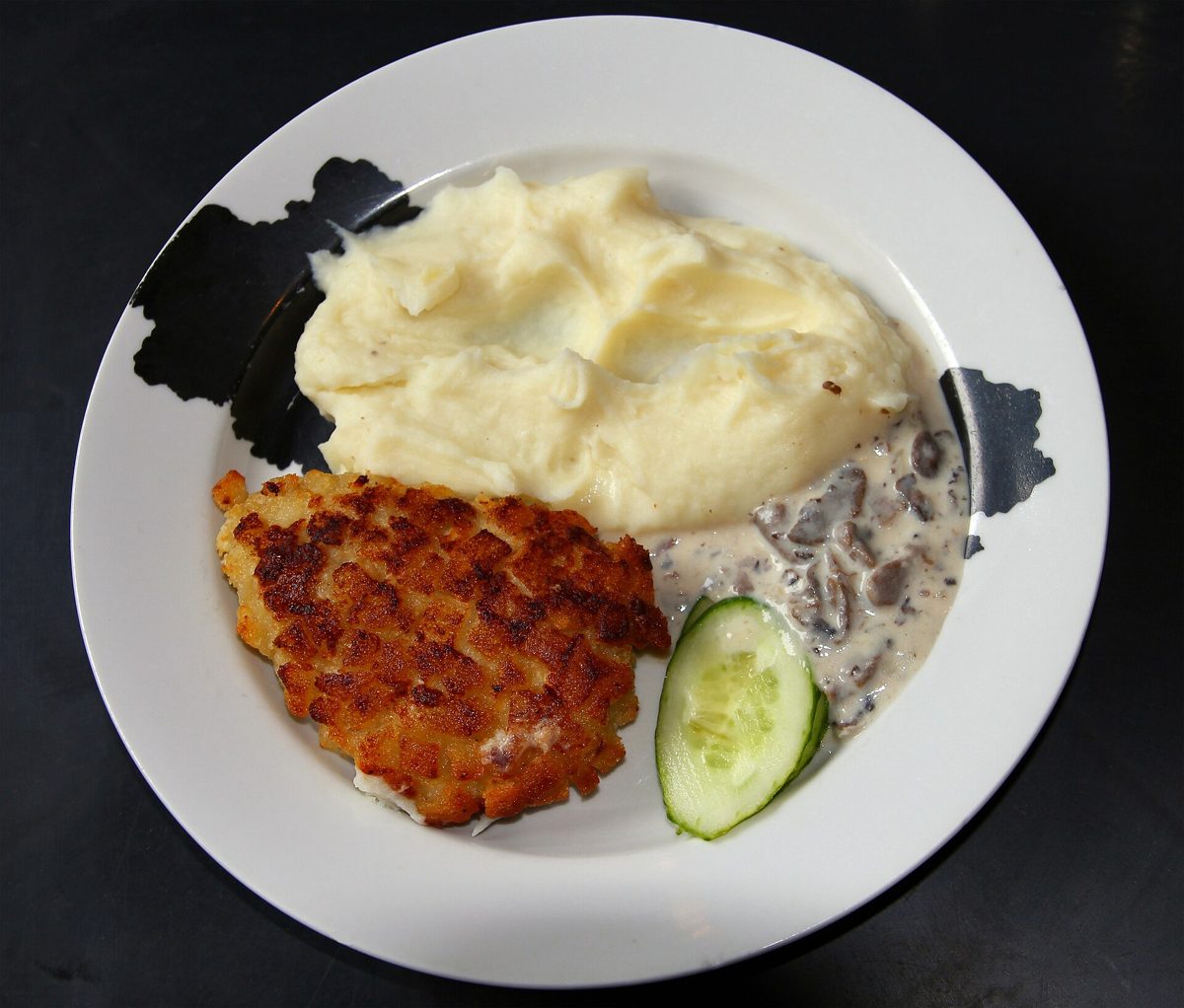
Delicate minced chicken cutlets with a lot of butter and soaked bread, coated in small bread cubes, briefly fried and then baked in the oven. This is what distinguishes them from regular meatballs and where their name comes from.