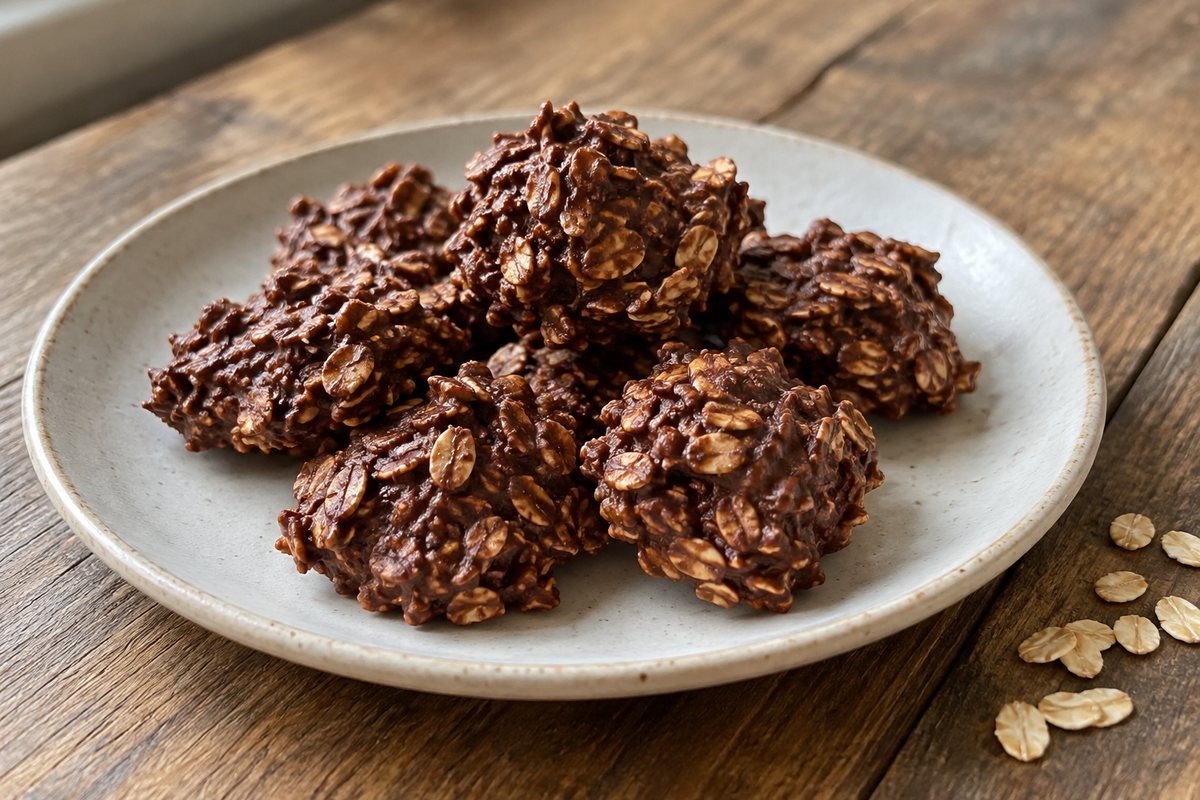
Cocoa Oat Hedgehogs Without Baking – The Taste of School Practical Classes
Simple mounds made from oats, cocoa, butter, milk, and sugar. A homemade recreation of a school treat: one pot, spooning, and chilling instead of baking.

Tried and tested recipes, including the ones brought from home. For the ingredients we tell you what to use instead abroad.
Simple mounds made from oats, cocoa, butter, milk, and sugar. A homemade recreation of a school treat: one pot, spooning, and chilling instead of baking.
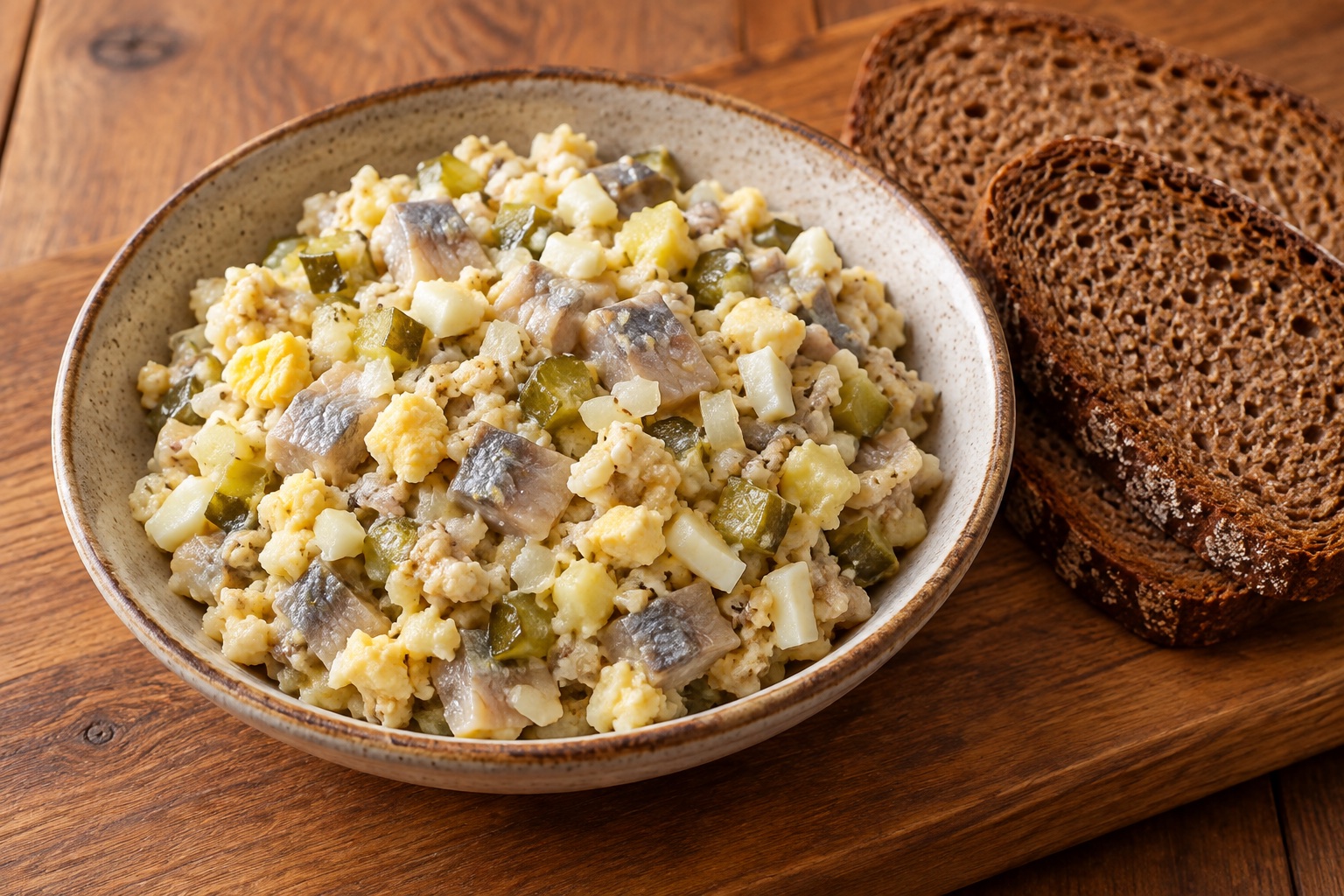
Finely chopped herring with egg, pickled cucumber, onion, and mustard. With control over saltiness and draining ingredients to prevent the paste from becoming watery.
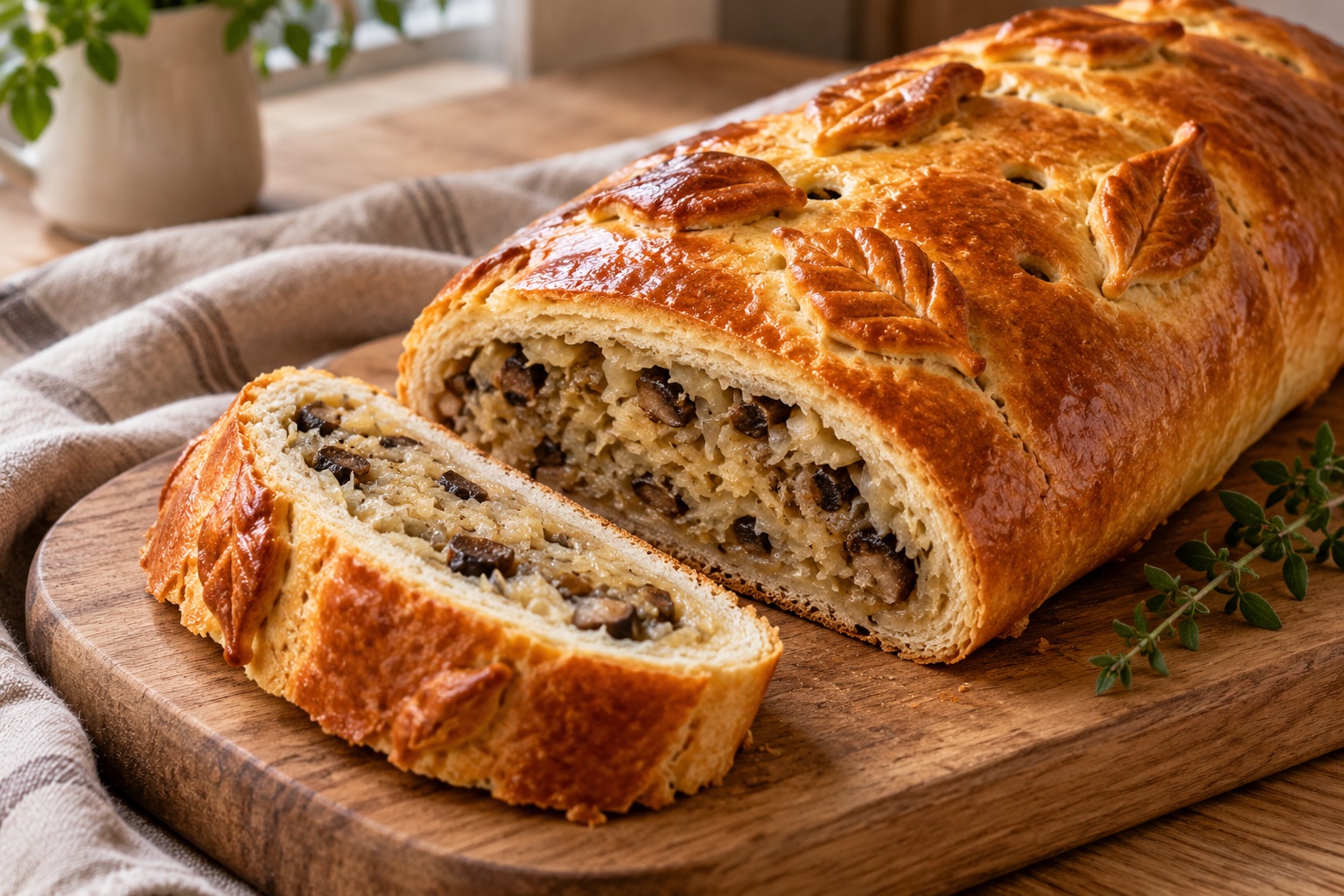
A large, golden-brown strudel made from soft yeast dough, filled with sauerkraut and dried mushrooms. Best sliced into thick pieces and served with borscht.
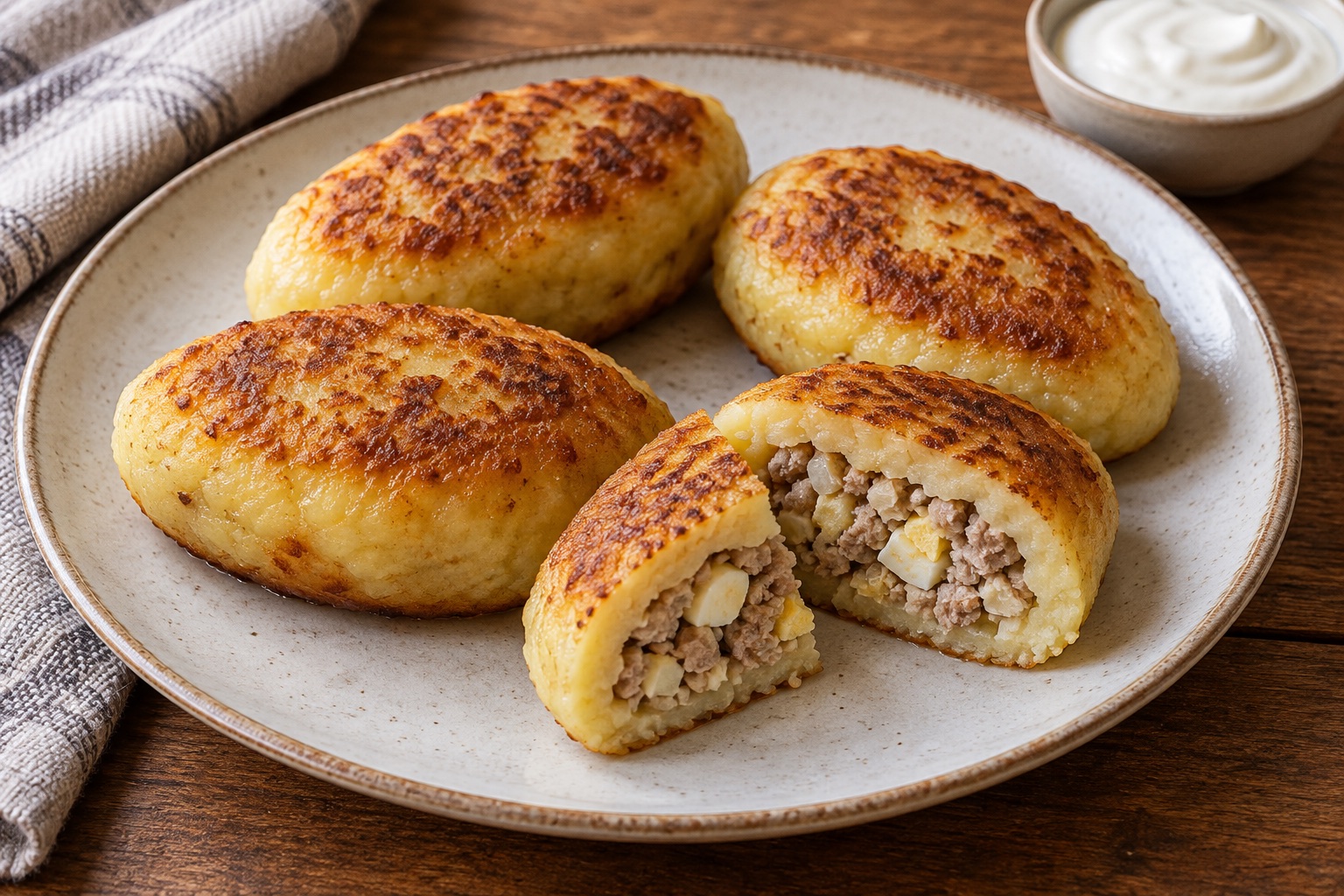
Fried patties made from cooked potatoes, filled with cooked pork and egg. Includes instructions for preparing the dry potato mixture and securely sealing the filling.
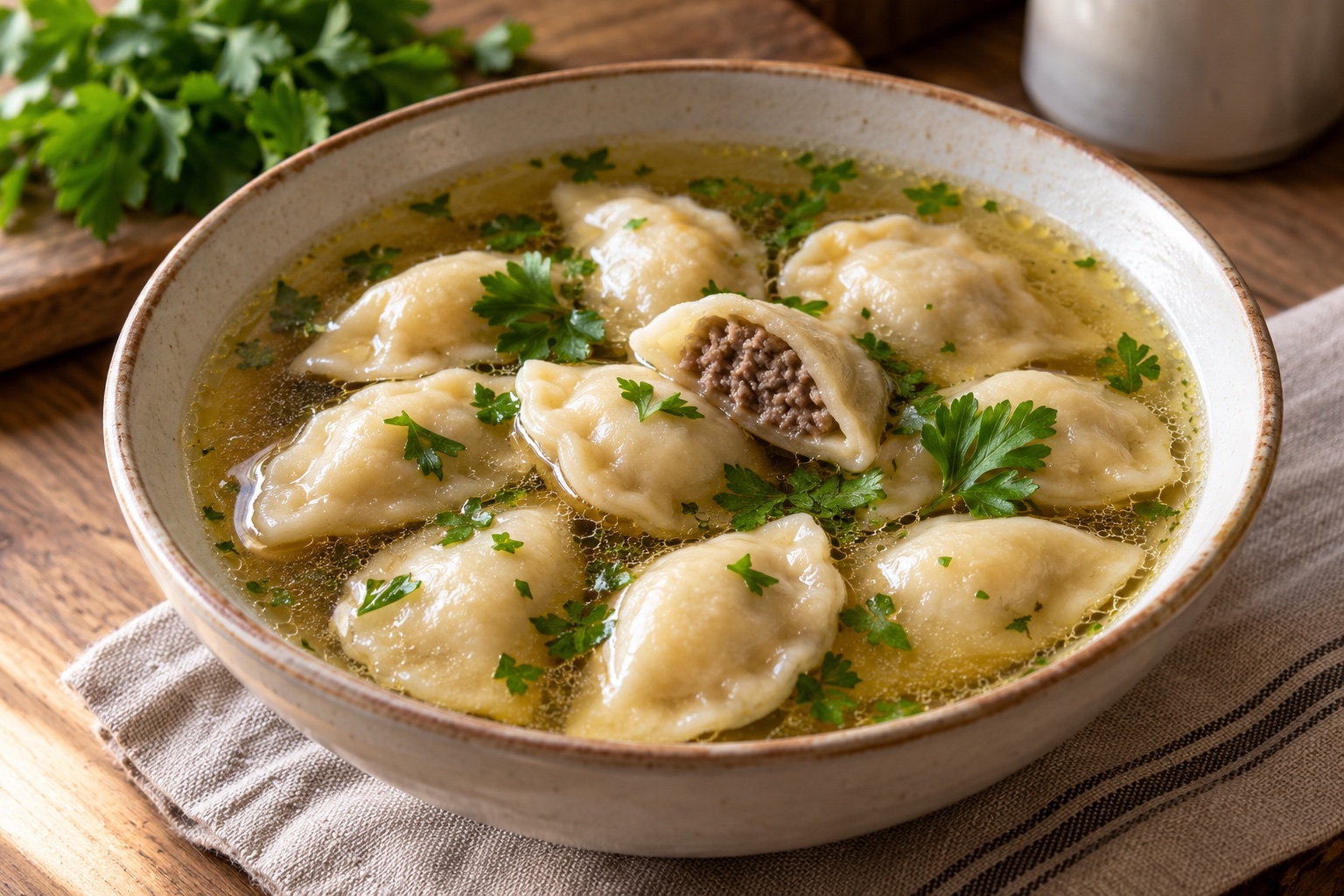
Small kołduny with thin dough, filled with raw beef filling cooked only inside the dumpling. With tight sealing, control of the filling, and served in broth.
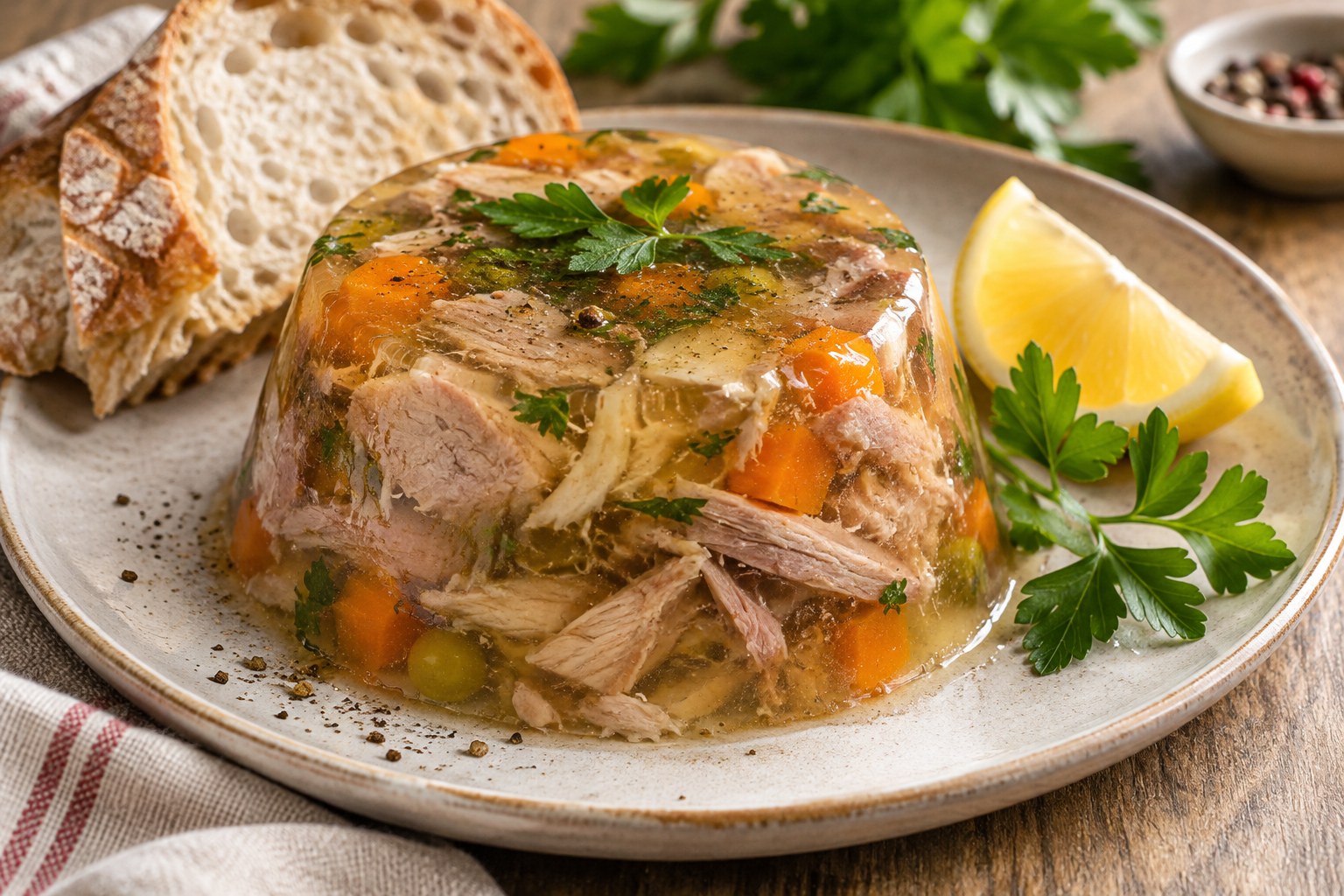
Homemade meat jelly made from pig trotters and pork hock, cooked with vegetables and spices. The trotters give the broth the right strength, allowing the jelly to set without gelatin. Serve it with lemon or vinegar. After cooking, it needs a few hours to cool.
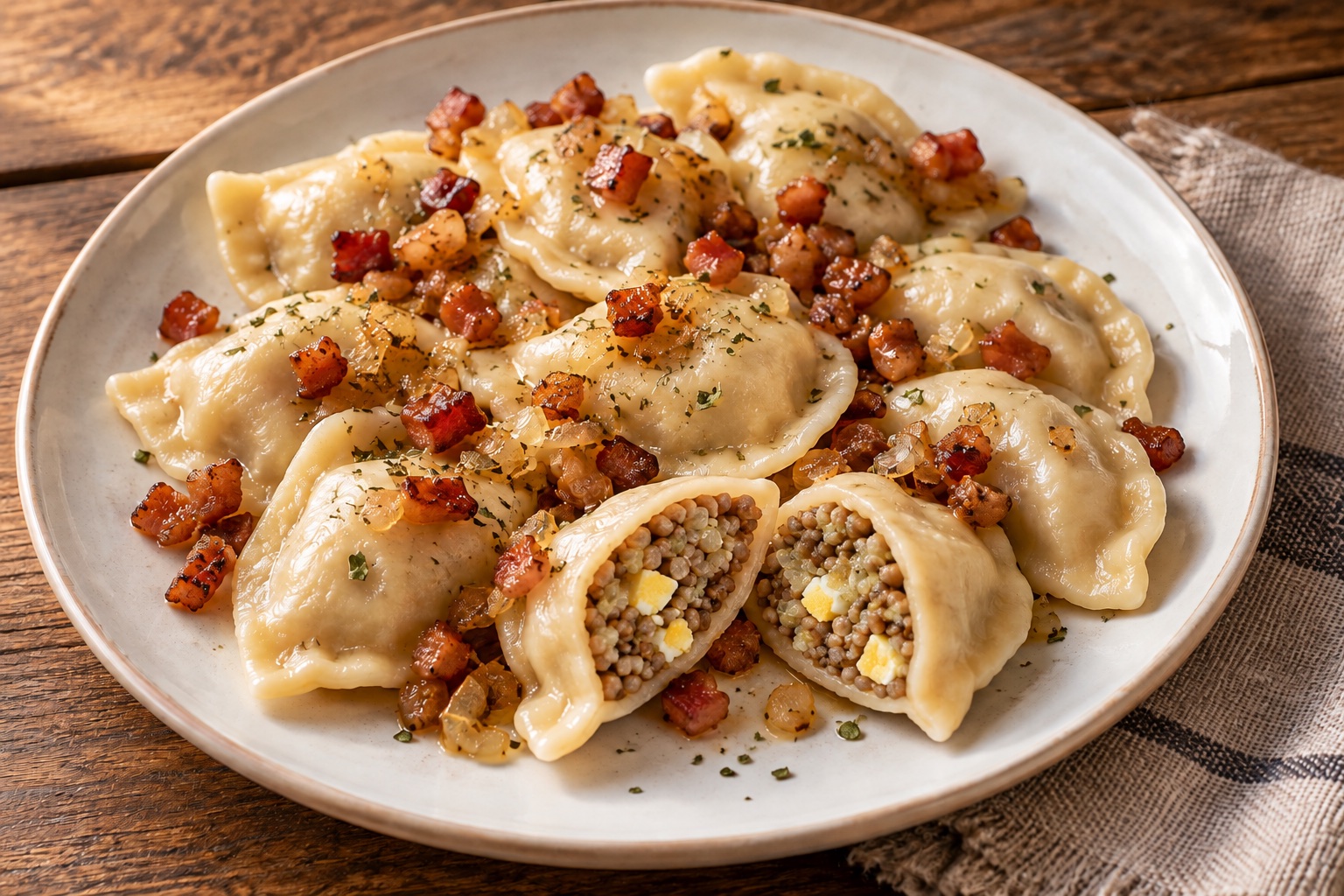
Small dumplings with buckwheat, bacon, onion, and egg, served with cracklings. With thin dough, cooked in batches, and tips for the buckwheat filling.

Homemade cherry liqueur made with 1 kg of cherries: fruits soaked in vodka and rectified spirit, then covered with sugar, filtered, and set aside to mature. This includes how many pits to leave, why recipes vary so much, and what to substitute for cherries and spirit abroad.
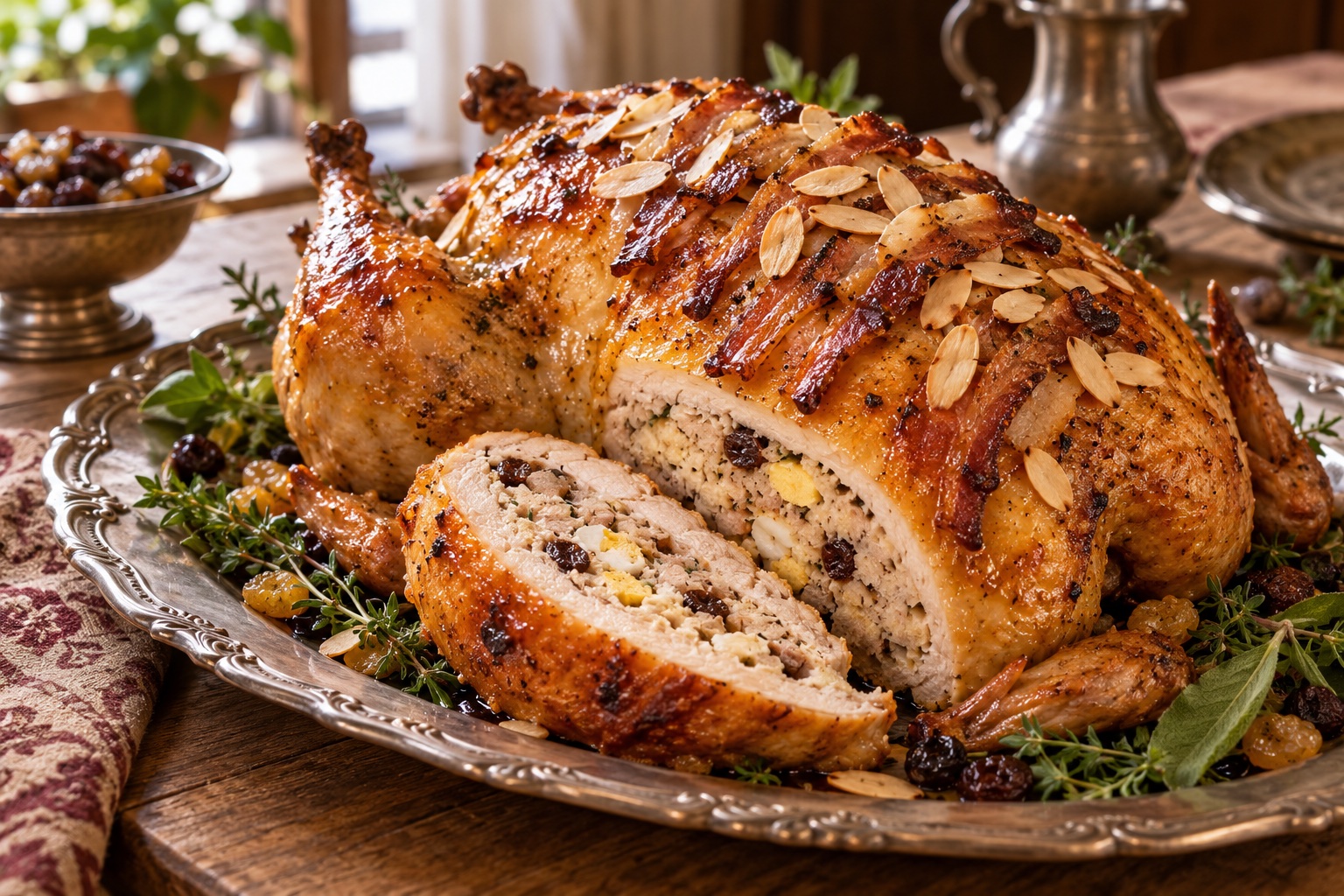
A festive capon with a spiced filling of breast meat, breadcrumbs, and raisins, covered with bacon and almonds. A modern adaptation of a recipe from 1682.
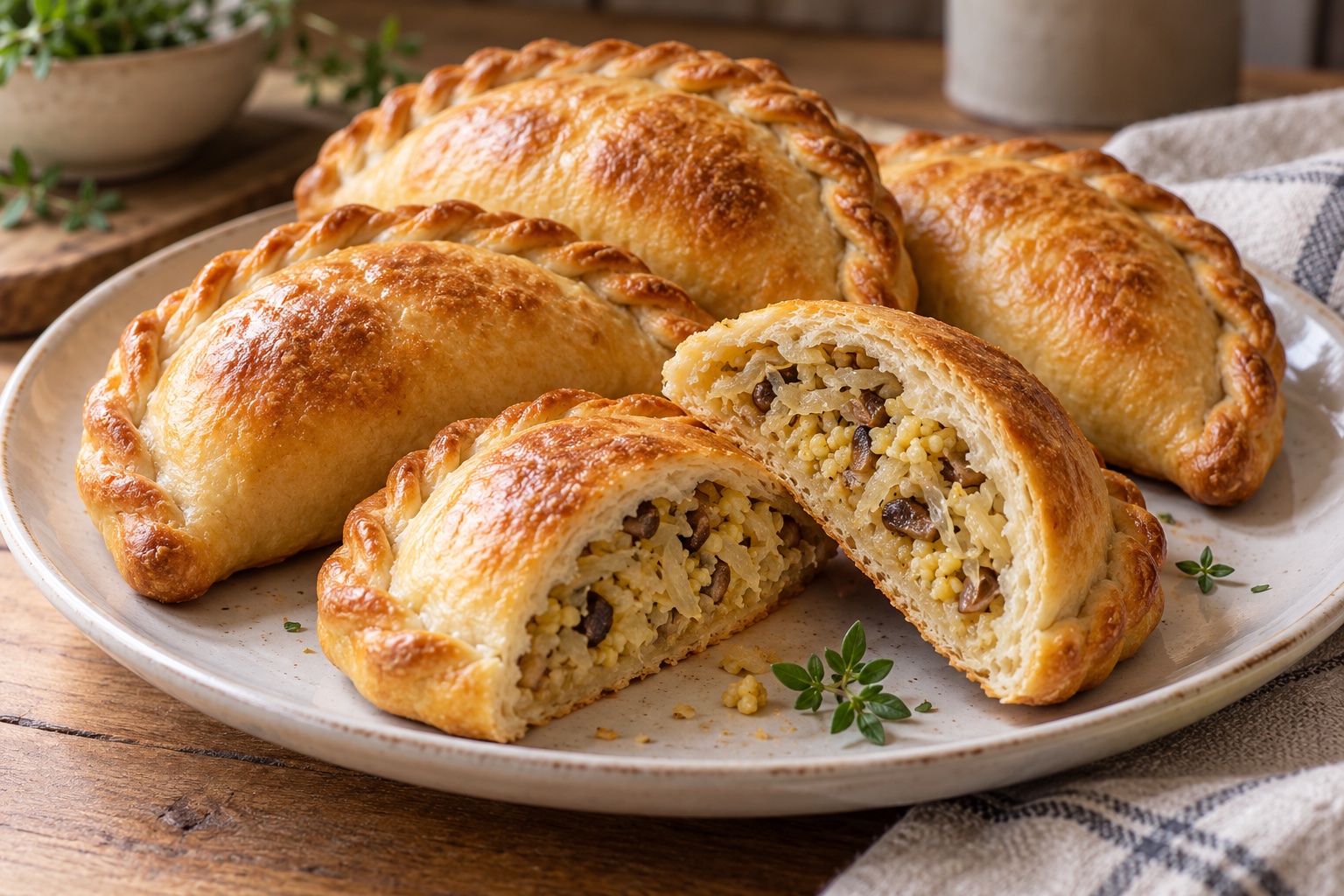
Large baked yeast dumplings filled with sauerkraut, millet, and dried mushrooms. A meatless version with a decorative edge sealing.
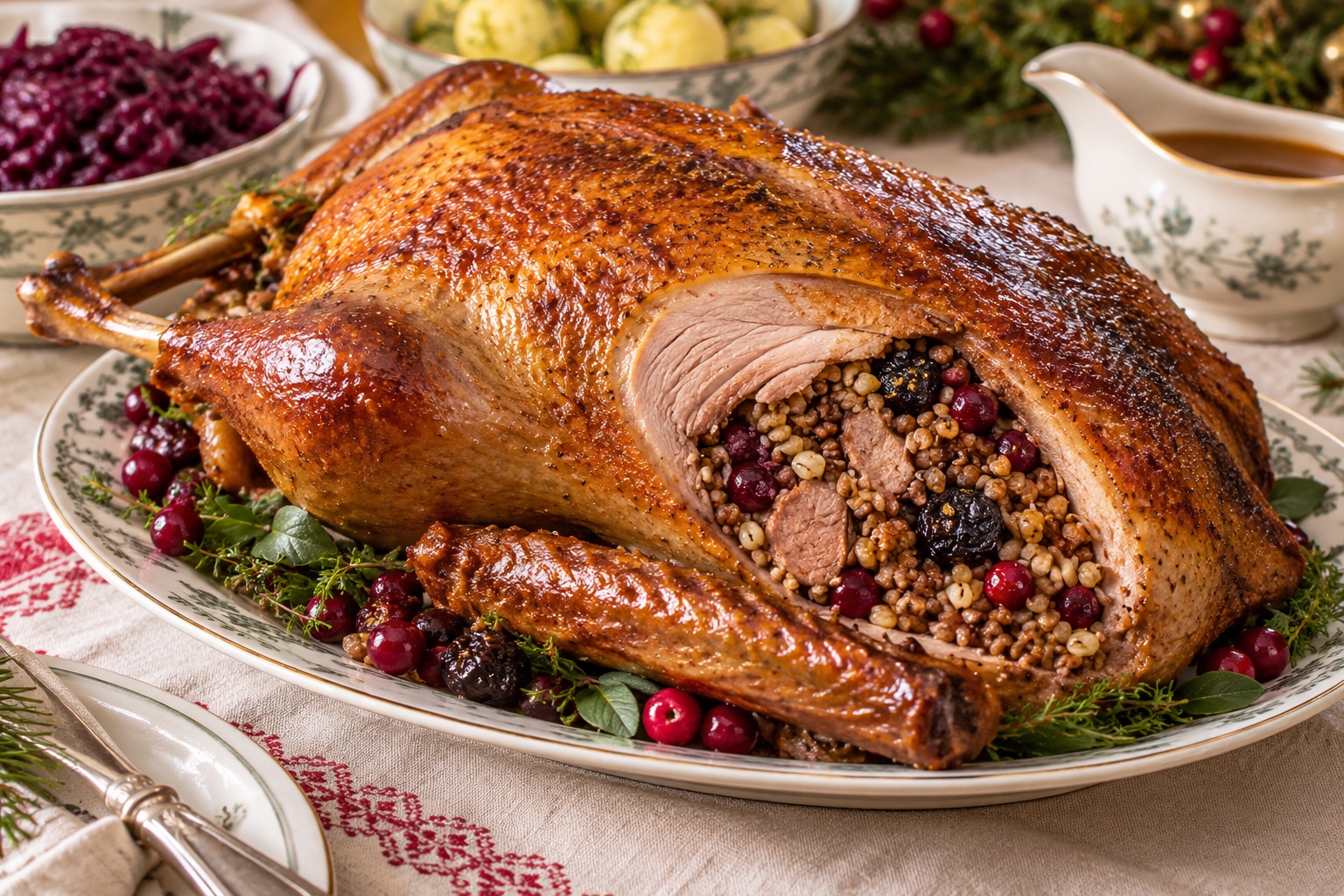
A boneless goose body filled with a mixture of two grains, offal, and dried fruits. A detailed guide on deboning, tying, and roasting with temperature control.
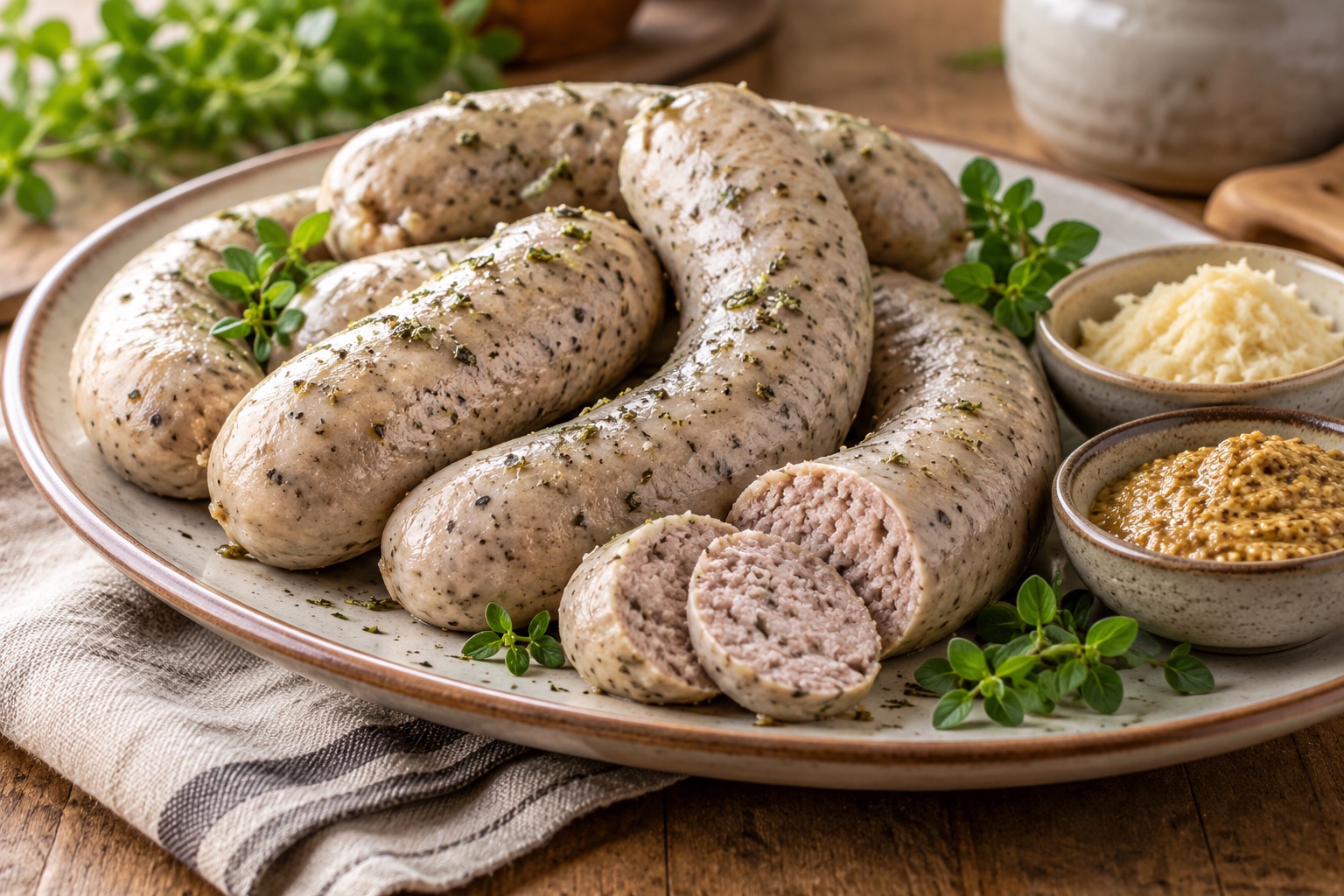
White sausage made from pork in natural casing: from two grinding sizes through kneading a sticky filling to stuffing and gentle poaching.
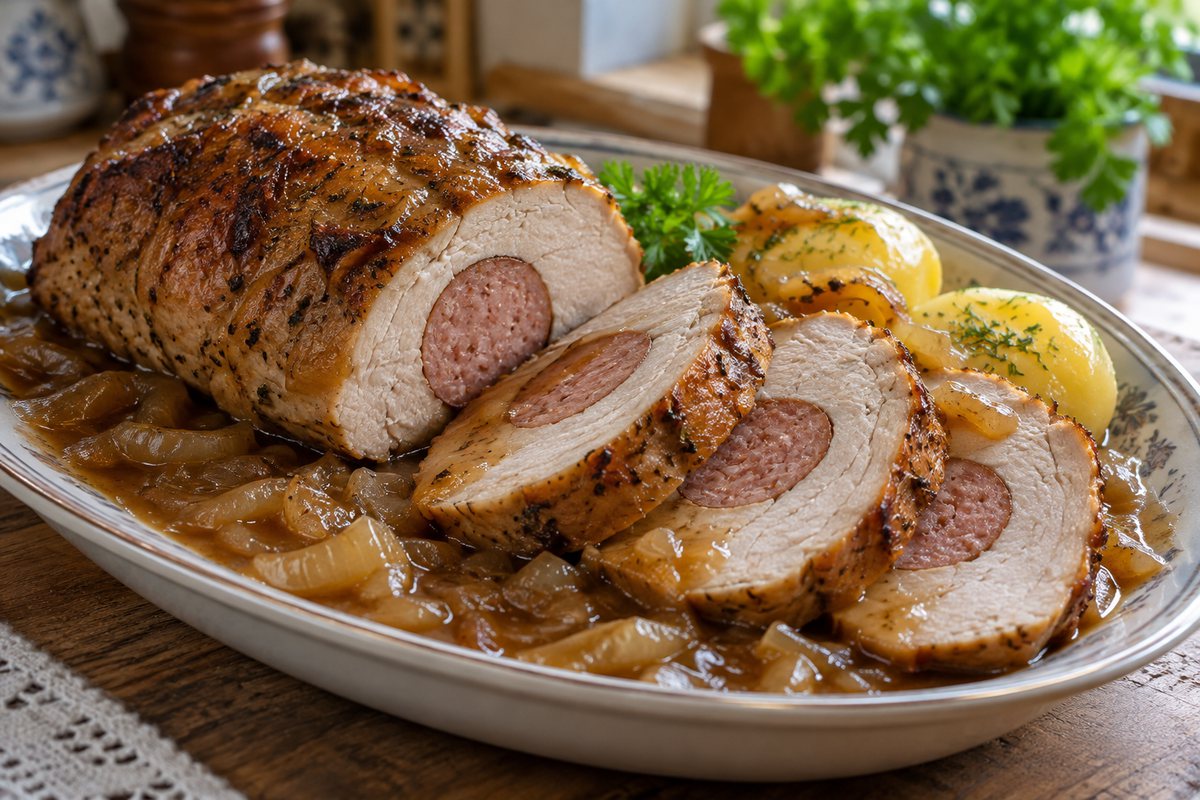
Silesian roast pork loin with sausage inside and onion sauce. How to make a tunnel, tie the meat, control the temperature, and cut even slices.
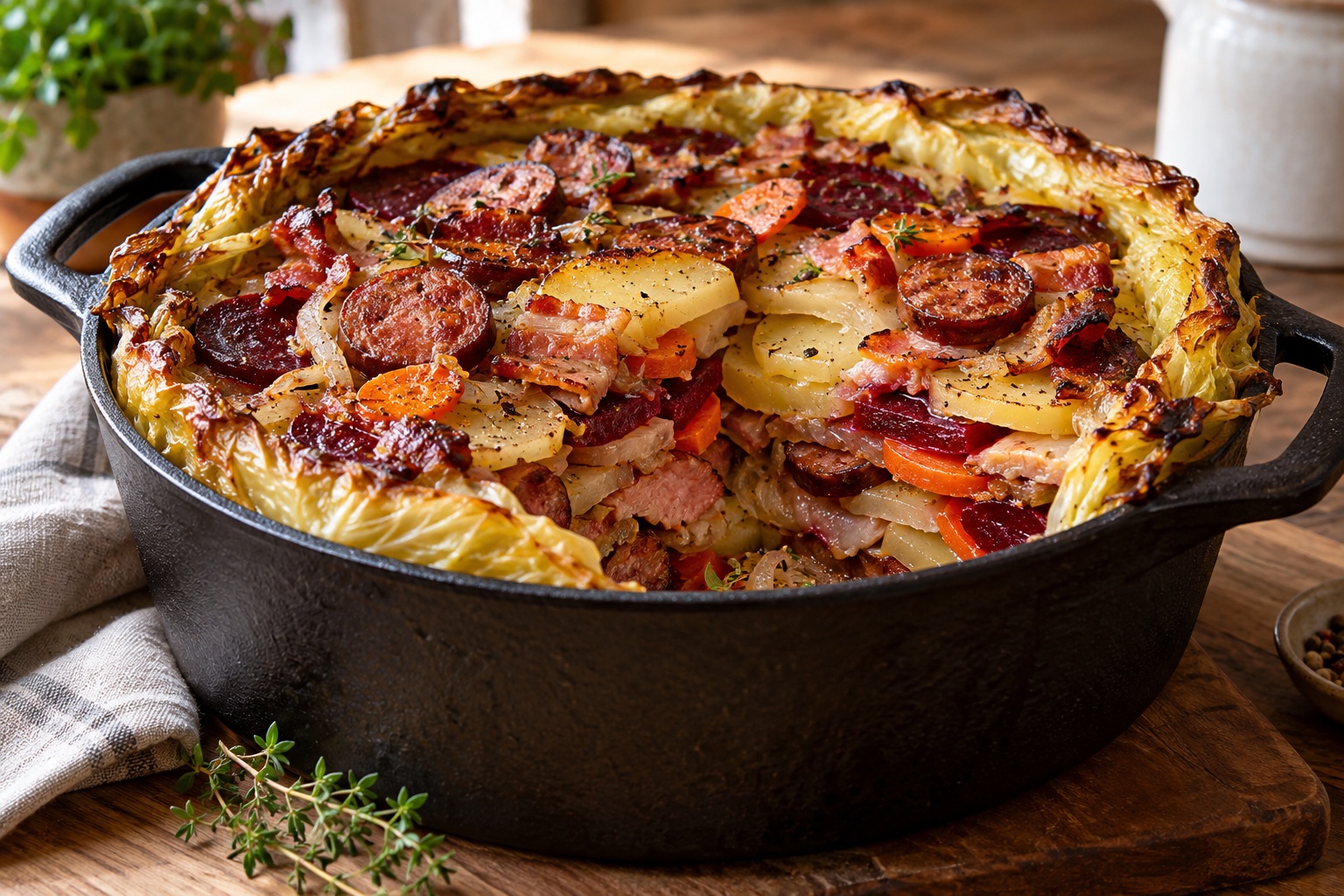
Layered baked potatoes, sausage, bacon, and onion, under a cabbage lid. A homemade version of Jurassic prażonki in a cast iron pot in the oven.

Crispy tubes made from ready-made puff pastry, wrapped around metal molds, baked, and filled with whipped cream or cooked protein cream. This includes tips on how to wrap the strips so they don't unravel, how to remove the tubes from the molds, and what to buy abroad.
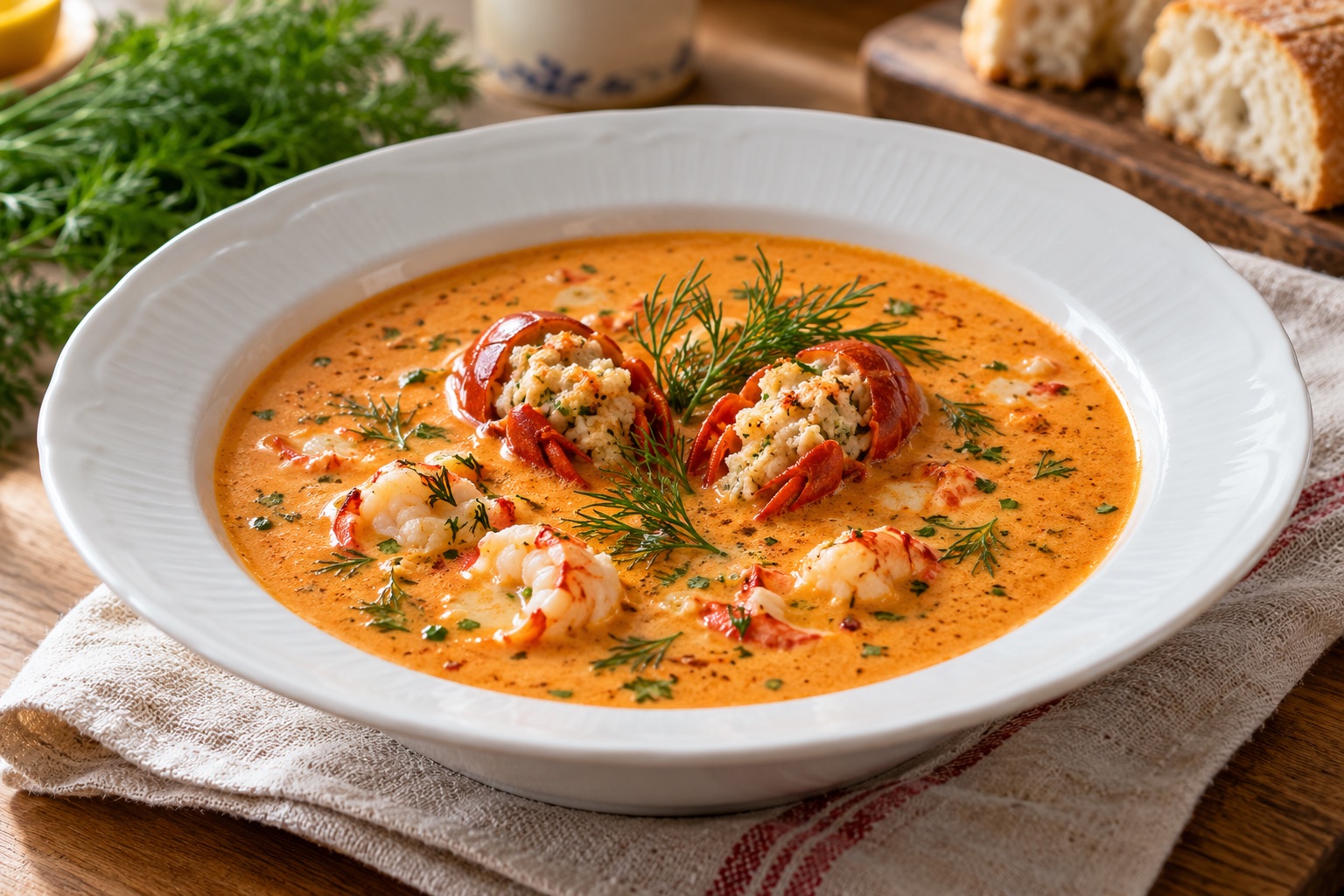
An old soup with an orange color obtained from crayfish butter. It involves separating the meat, straining the broth, and baking the filling in cleaned shells.
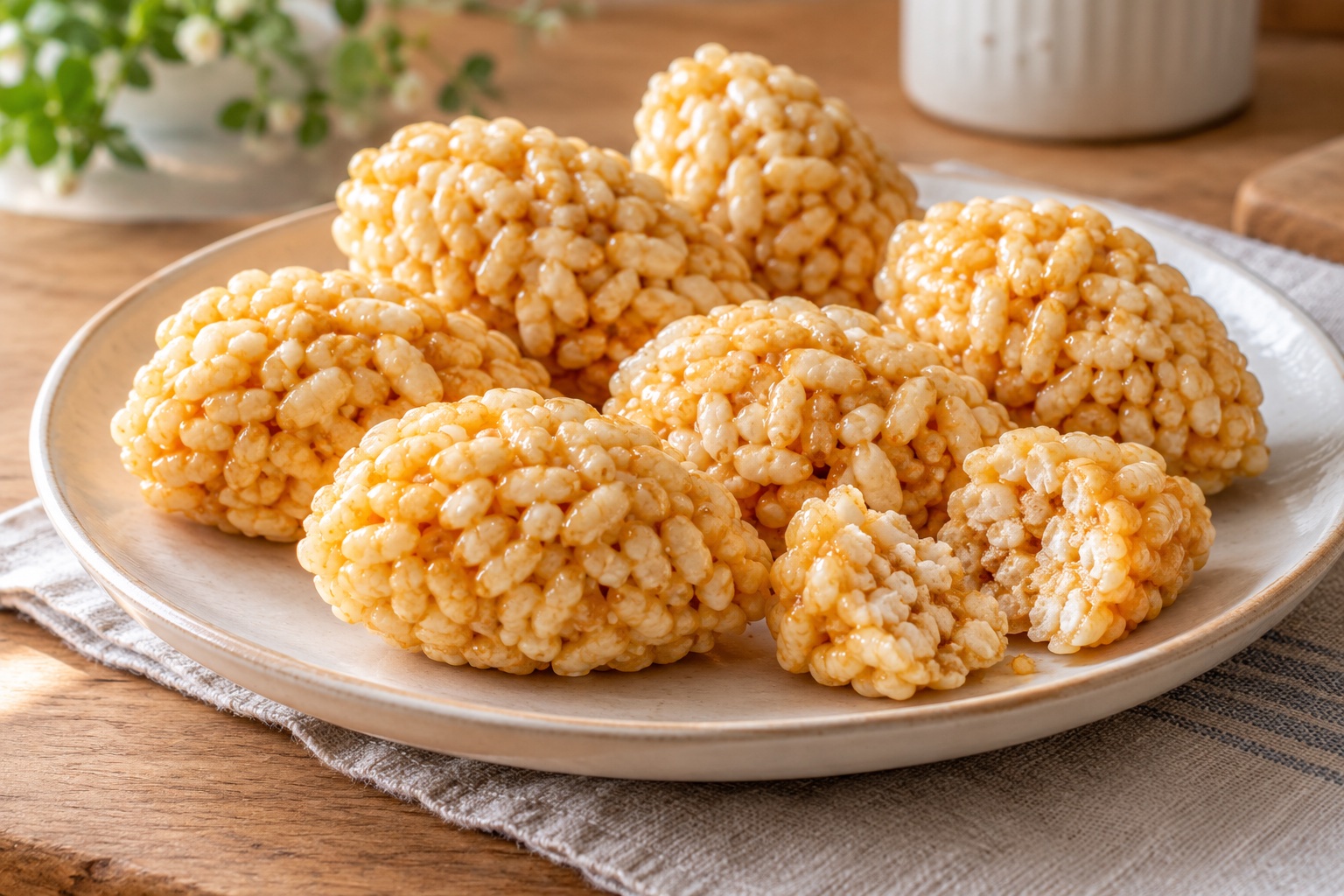
Homemade clusters without baking: crispy puffed rice in a creamy caramel mixture. A simple treat that we shape only after it has cooled safely.
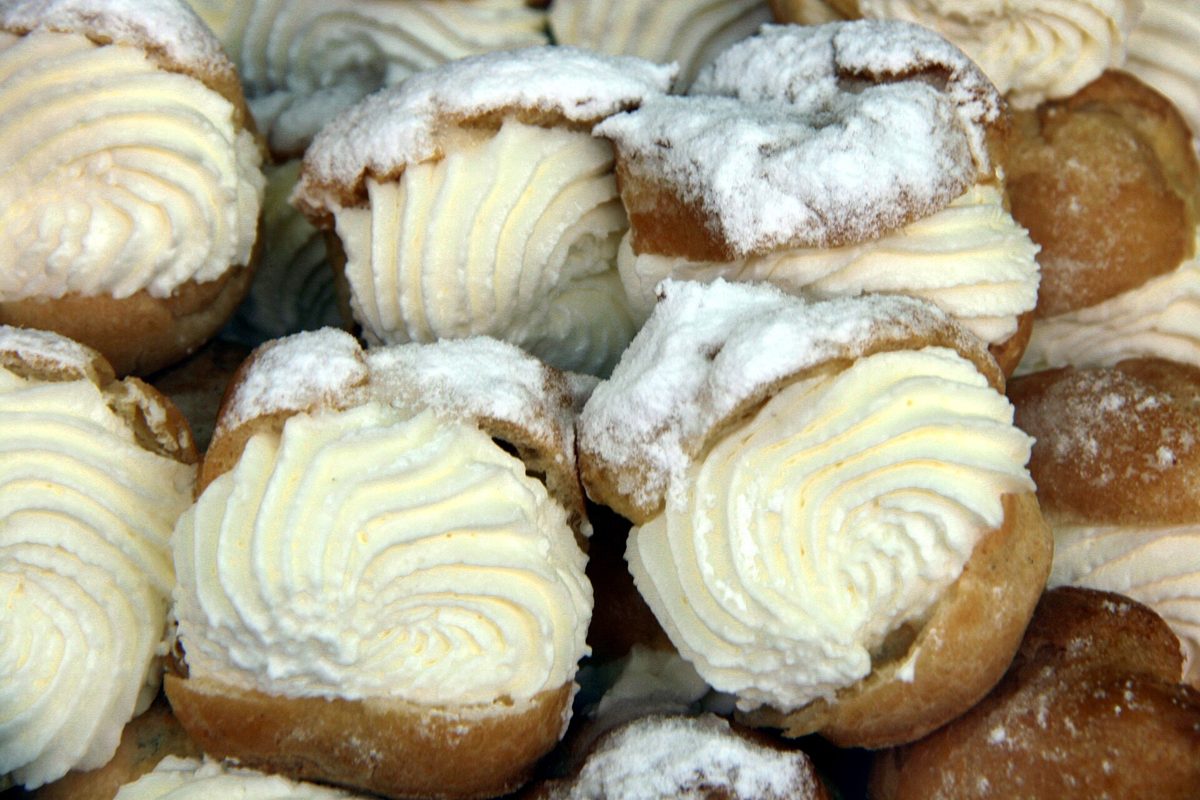
Homemade cream puffs made from choux pastry, filled with whipped cream and dusted with powdered sugar, just like from a good pastry shop. With tips on how to prepare the dough, when to add the eggs, and how to prevent the puffs from collapsing after being taken out of the oven.
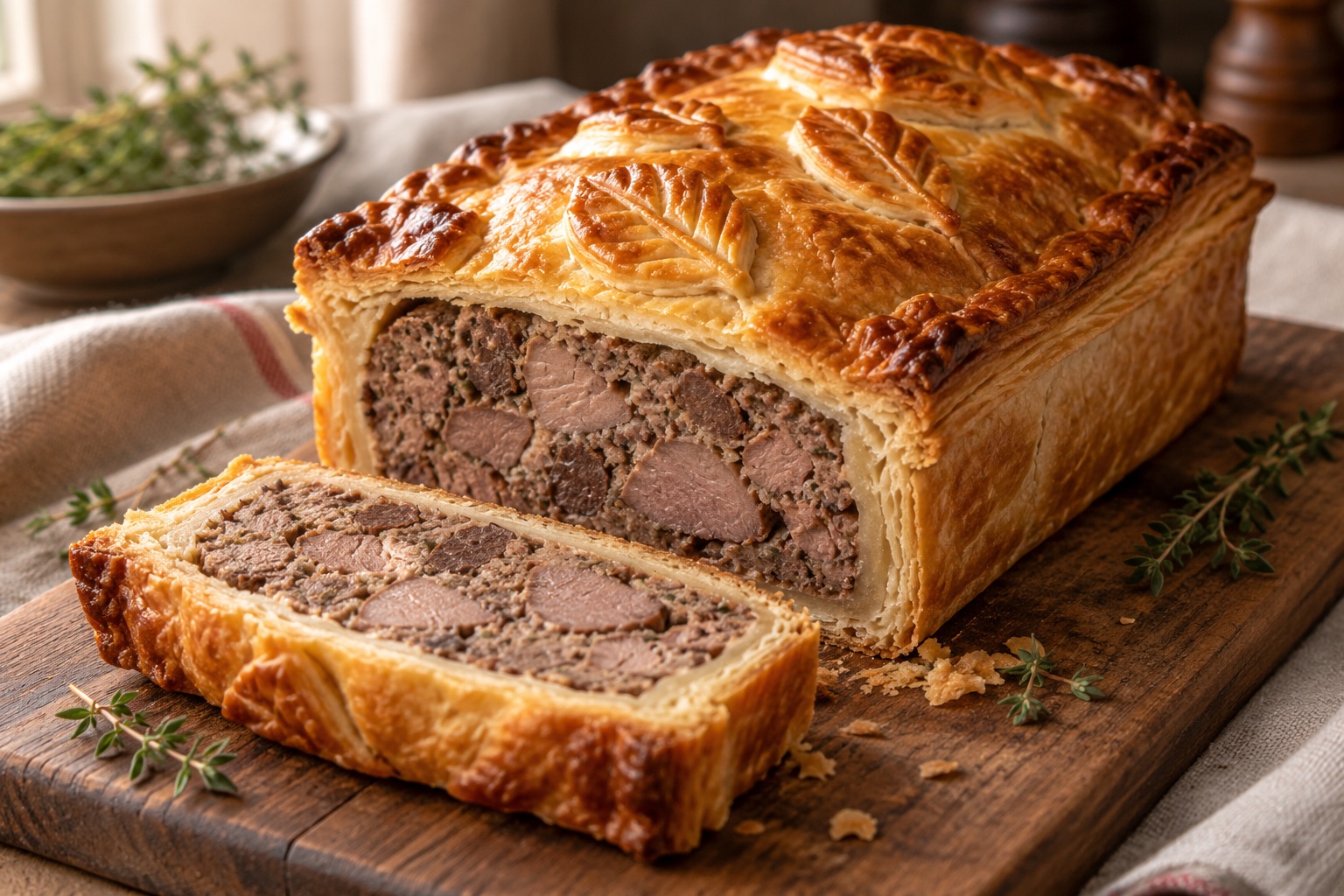
Pâté with pieces of braised hare, pork, and liver under a crispy puff pastry. With a plan for folding the dough, cooling the filling, and baking.
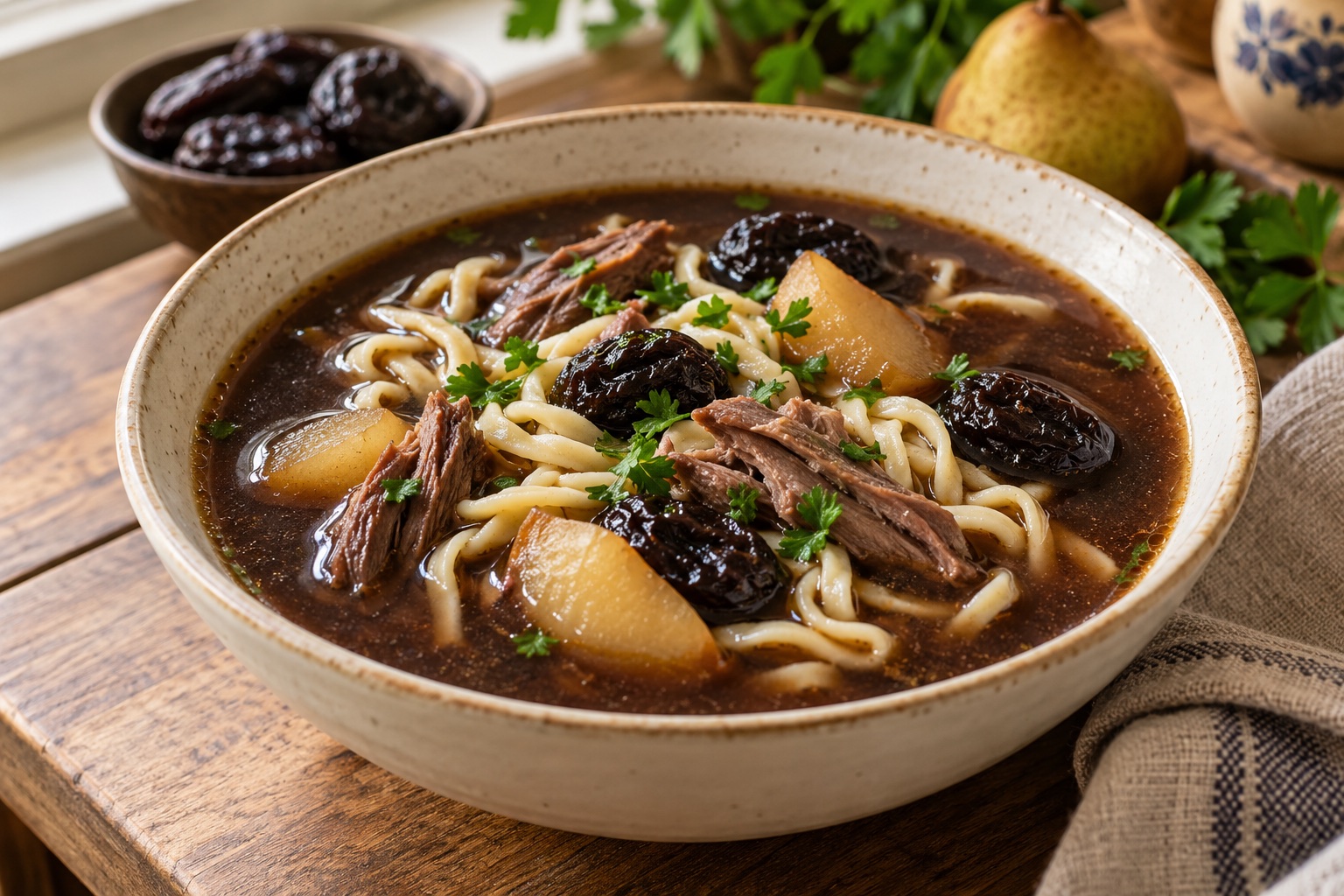
A traditional black soup made with duck, dried plums, and pears, along with thin egg noodles. It requires careful tempering and gentle heating of the soup.
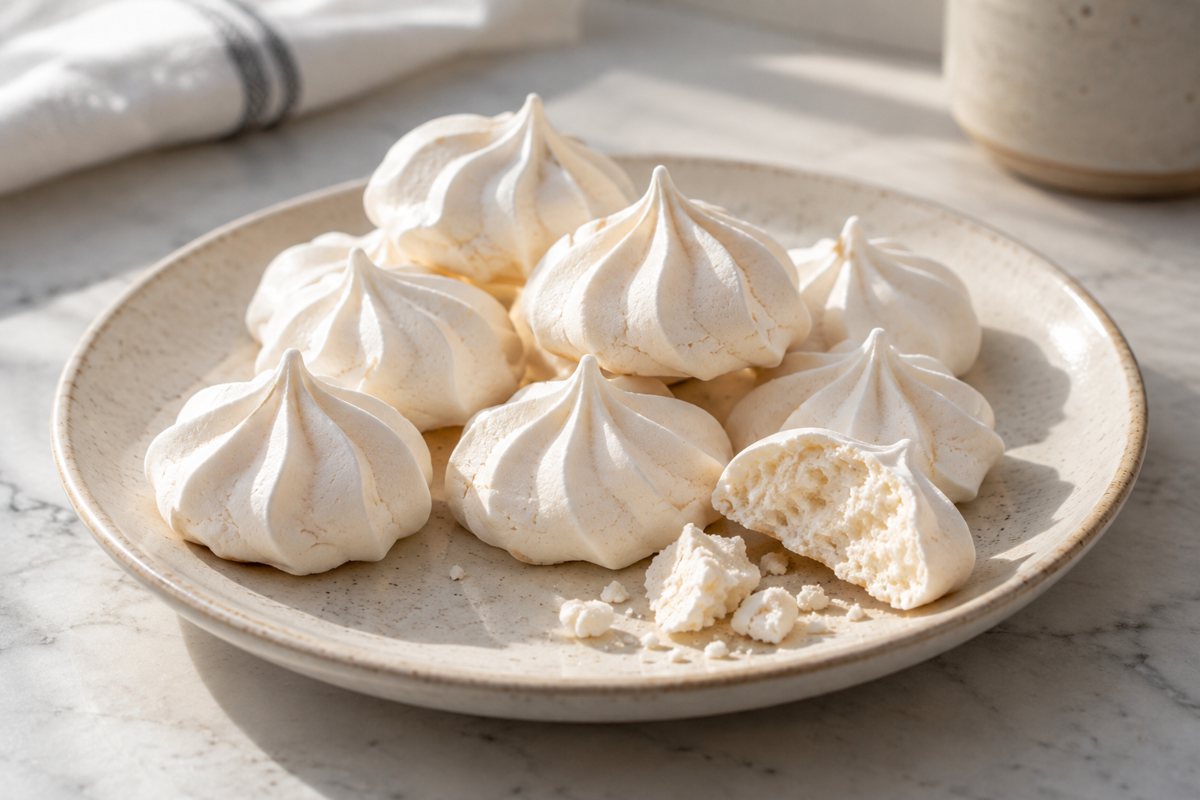
Crispy meringues made from egg whites and caster sugar. Learn how to achieve a glossy meringue, form even portions, and recognize when the centers are dry before storing the meringues in a box.
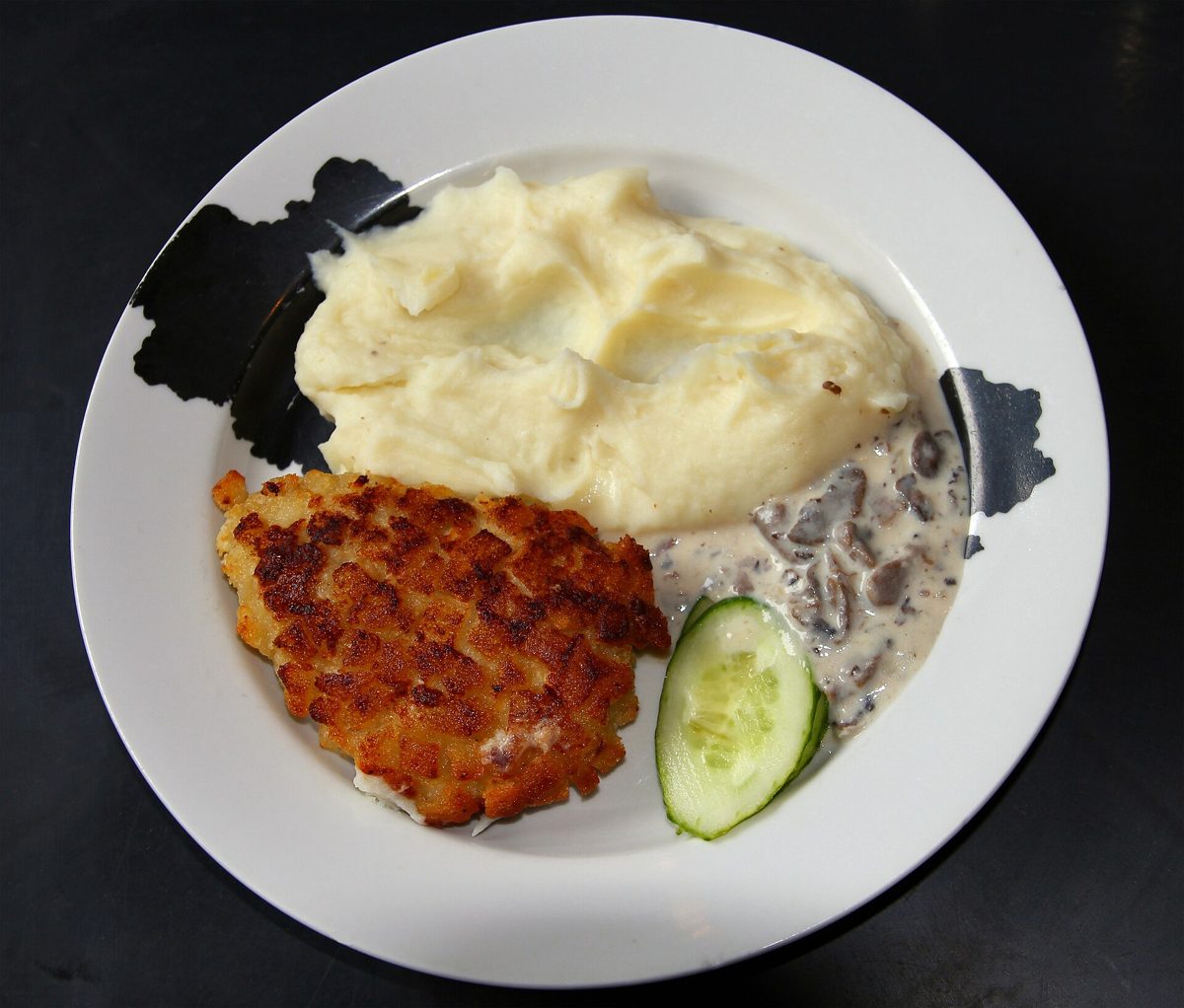
Delicate minced chicken cutlets with a lot of butter and soaked bread, coated in small bread cubes, briefly fried and then baked in the oven. This is what distinguishes them from regular meatballs and where their name comes from.
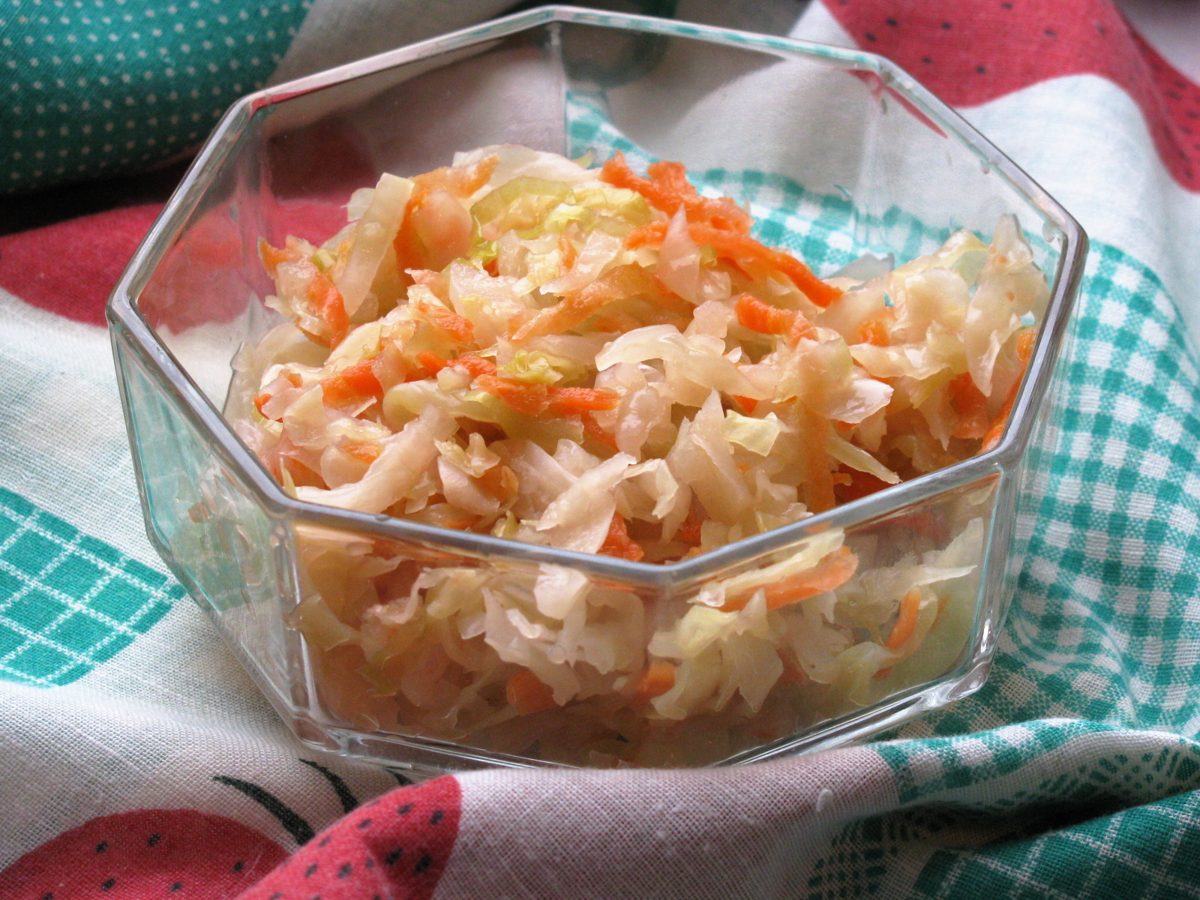
Sauerkraut made from white cabbage, carrots, salt, and caraway, pressed in a fermentation crock or jars so that it remains submerged in its own juice. This includes guidance on how much salt to use for 5 kg of cabbage, how to release gases, what to do with scum, and what containers to buy abroad.
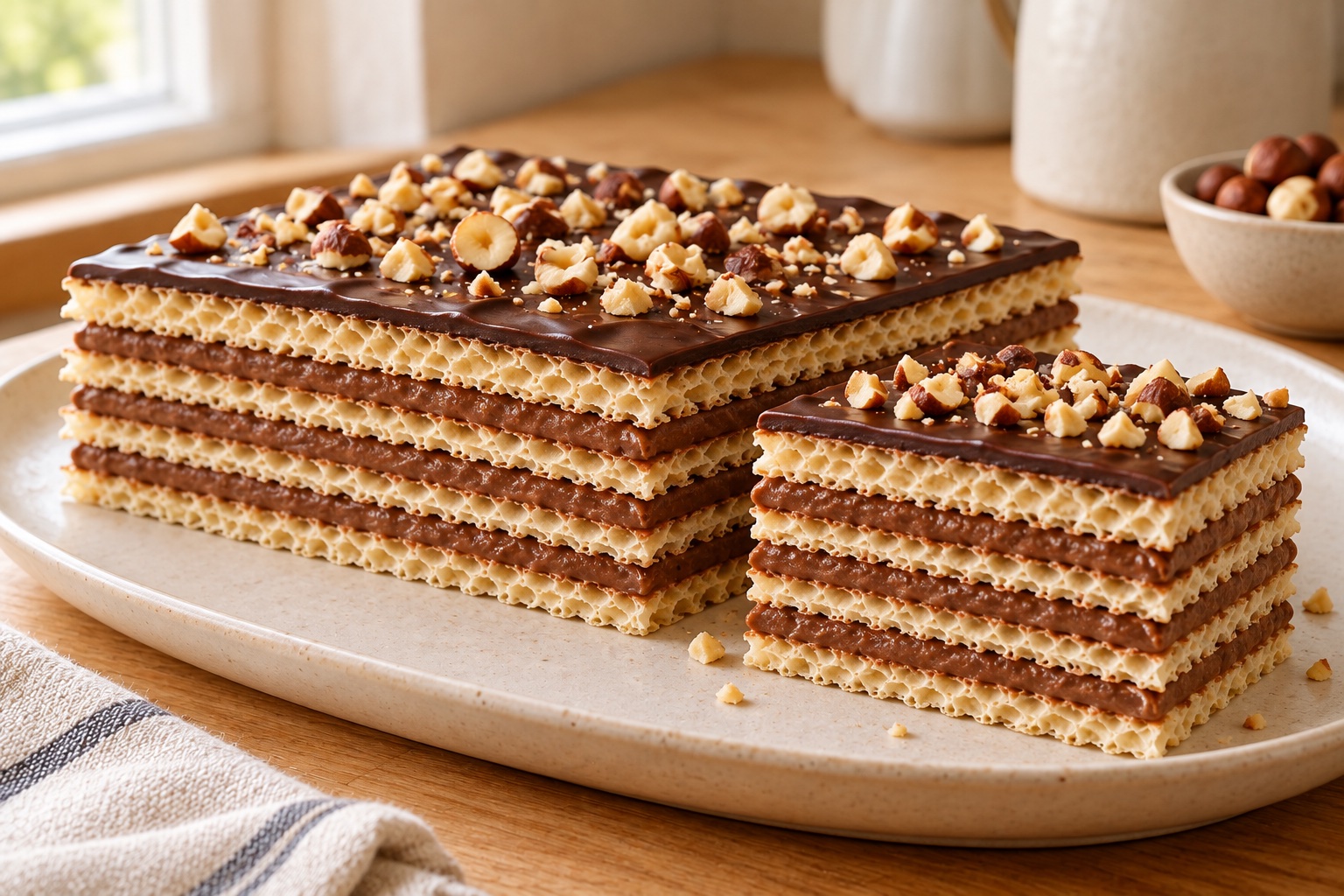
A Krakow home treat made of thin wafers layered with chocolate cream and nuts. No baking and no raw eggs, with a thin coating on top.