
The story behind the recipe
“This name is given to boiled beef, which is then served with various sauces and garnishes,” wrote Elżbieta Kiewnarska in 1930, the author of the Warsaw cookbook 'Potrawy z wołowiny' signed as Mrs. Elżbieta. She added that “good broth and beef in horseradish sauce are two inseparable dishes”: a large piece of good meat was used to make broth, and the meat itself was served as a second course, always with boiled potatoes or wide noodles with browned butter. The most common sauces for beef in horseradish sauce included horseradish, white, and tomato sauces, and for true enthusiasts, she advised serving it without sauce, with mustard, pickles, or pickled mushrooms.
The horseradish sauce for boiled beef is known in all old Polish cookbooks, but each makes it a bit differently. Lucyna Ćwierczakiewiczowa in '365 Obiadów za 5 Złotych' (1871 edition) grated several roots of horseradish with three tablespoons of sour cream, a teaspoon of sugar, half a tablespoon of flour, and a bit of lemon juice, brought it to a boil, and at the end added two egg yolks. She poured this sauce over the sliced beef and browned it in the oven, creating 'roasted beef in horseradish sauce.' Wincenta Zawadzka in 'Kucharce litewskiej' published in Vilnius in 1913 sautéed grated horseradish in butter, thinned it with broth, and thickened it with flour and three or four egg yolks, while the Poznań 'Praktyczna Kucharka' by Franciszek Chocieszyński from 1884 cooked horseradish in broth with grated bread. Today's version on a light roux, with broth, cream, sugar, and lemon resembles Kiewnarska's sauce, which also started with a roux and broth and ended with sour cream or egg yolks.
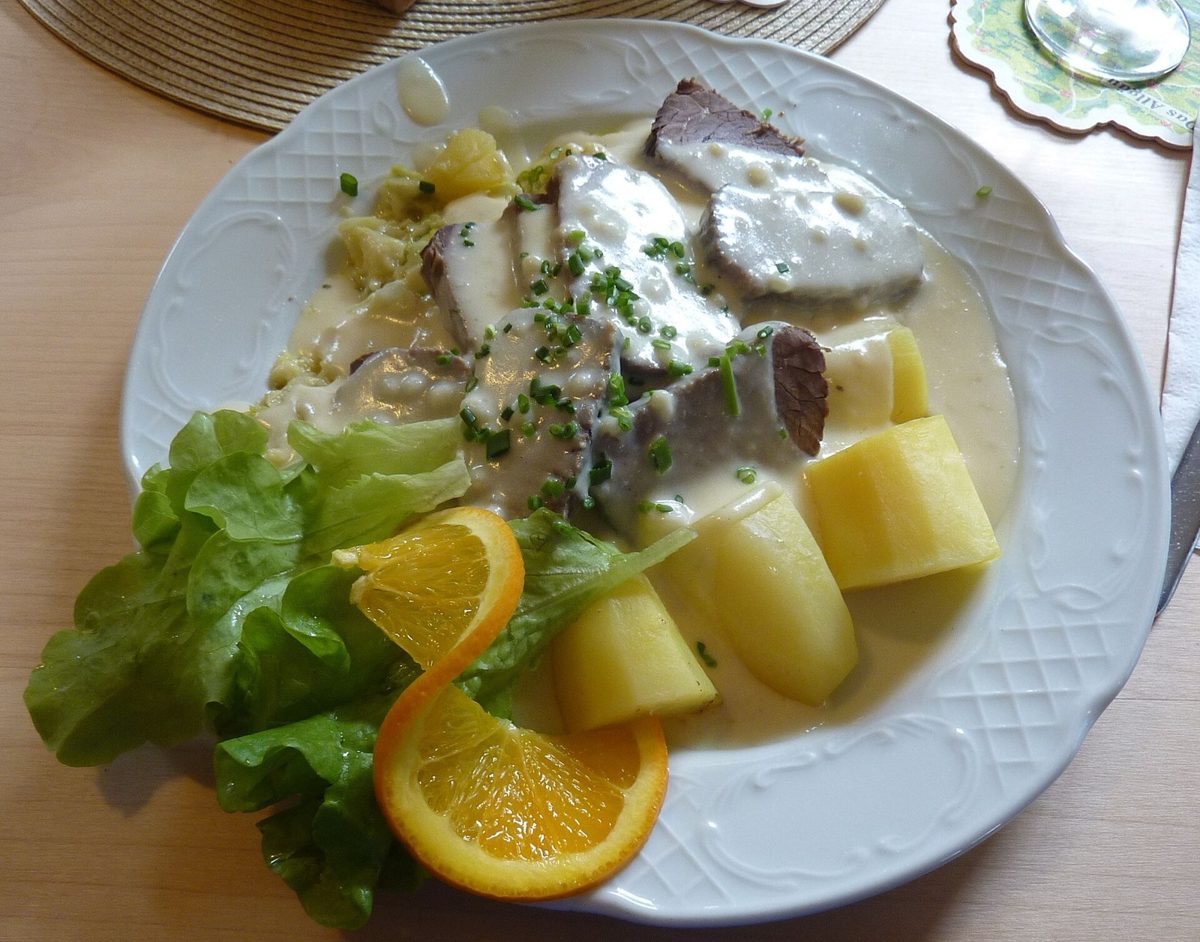
A similar dish exists in Viennese cuisine. The Austrian register of traditional foods states that boiled beef was a staple dish at the court as early as the first half of the 19th century, and Emperor Franz Joseph ate it with cabbage or kohlrabi and a plate of freshly grated horseradish. The name Tafelspitz first appears in Hess's collection of recipes from 1911, and today it is served with chive sauce and horseradish with apple or with bread. Whether Polish beef in horseradish sauce originated from this tradition is unknown: we have not found a source to confirm it. It is only certain that boiled beef with horseradish was a common dish throughout Central Europe.
Ingredients
Meat and Broth
-
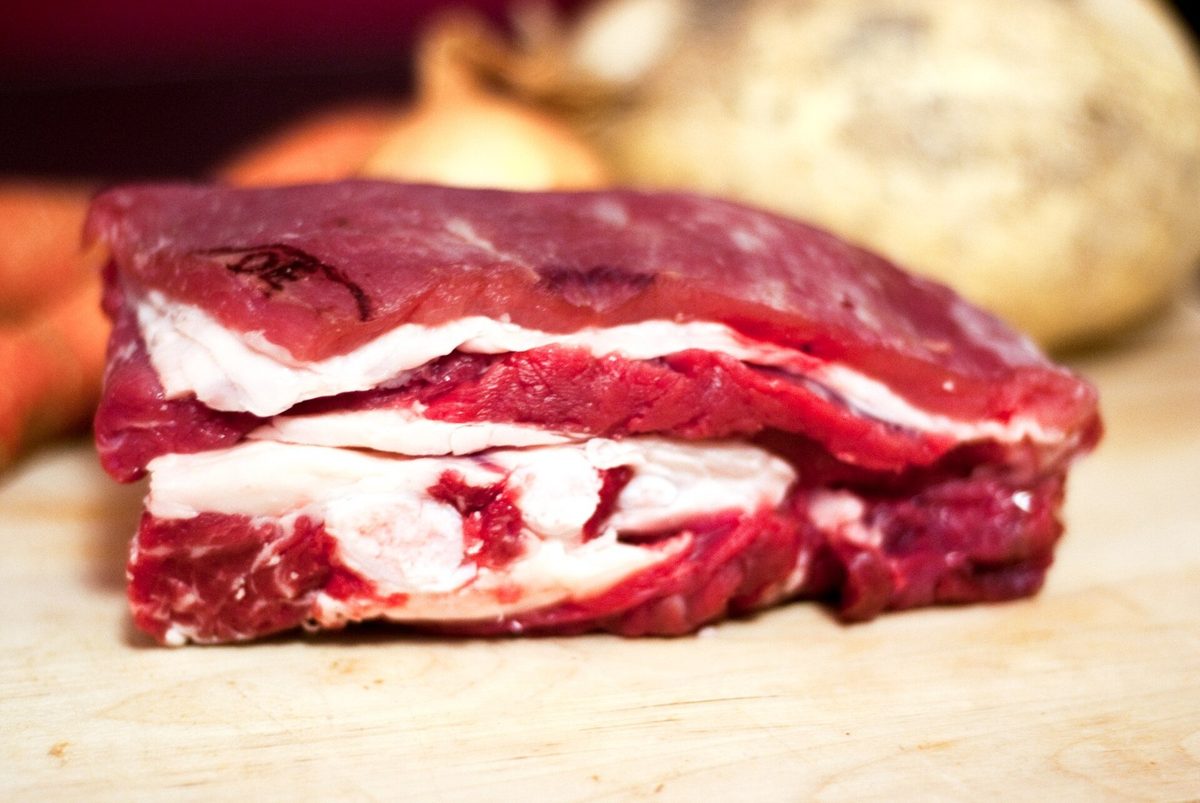
1 kg beef in one piece (flank, brisket, chuck, or shank; a short and thick piece)
Abroad: USA and Canada: beef shank, brisket, chuck, or short ribs; UK: shin of beef, brisket, shoulder; Germany: Beinscheibe, Rinderbrust, Schulter, or Querrippe - 2 l boiling water (enough to cover the meat)
- 2 pcs carrot
-
1 pc parsley (root)
Abroad: parsley root; Germany: Petersilienwurzel; as a last resort, a smaller parsnip -
100 g celery root (a piece)
Abroad: celeriac / celery root; Germany: Knollensellerie - 1 pc leek (white part)
- 1 pc onion (cut in half and charred)
- 2 pcs bay leaves
-
4 pcs allspice (berries)
Abroad: allspice; Germany: Piment - 5 pcs black pepper (berries)
- salt (to taste, at the end of cooking)
Horseradish Sauce
-
20 g butter
Abroad: unsalted butter -
2 tbsp (about 15 g) all-purpose flour
Abroad: USA: all-purpose flour; UK: plain flour; Germany: Type 405 - 300 ml hot broth from the meat (strained)
-
100 ml 30% cream (or 3–4 tablespoons of thick 18% sour cream)
Abroad: USA: heavy cream; UK: double cream; Germany: Sahne 30% -
3 tbsp (45 ml) grated horseradish (either 4, from a jar, drained, or freshly grated root)
Abroad: USA and UK: prepared horseradish (not horseradish sauce); Germany: Meerrettich or Tafelmeerrettich; Austria: Kren - 1 tsp (5 ml) lemon juice
- ½ tsp (about 2 g) sugar
- 1 pc egg yolk (optional, as in Ćwierczakiewiczowa)
To Serve
- 800 g potatoes (boiled in salted water)
- parsley or chives (for sprinkling)
Method, step by step
-
Rinse the beef and dry it with a paper towel. If you wish, sear it on all sides in a heated, dry pot, without fat, until browned.
-
Cut the onion in half and char the cut side on a dry pan or over a gas flame until it is well blackened. Peel the carrot, parsley, and celery, and wash the leek thoroughly.
-
In a large pot, bring 2 liters of water to a boil with the vegetables, charred onion, bay leaves, allspice, and black pepper. Place the meat in the boiling water (if you seared it, simply pour boiling water over it). When the water comes to a boil again, skim off the foam with a spoon.
-
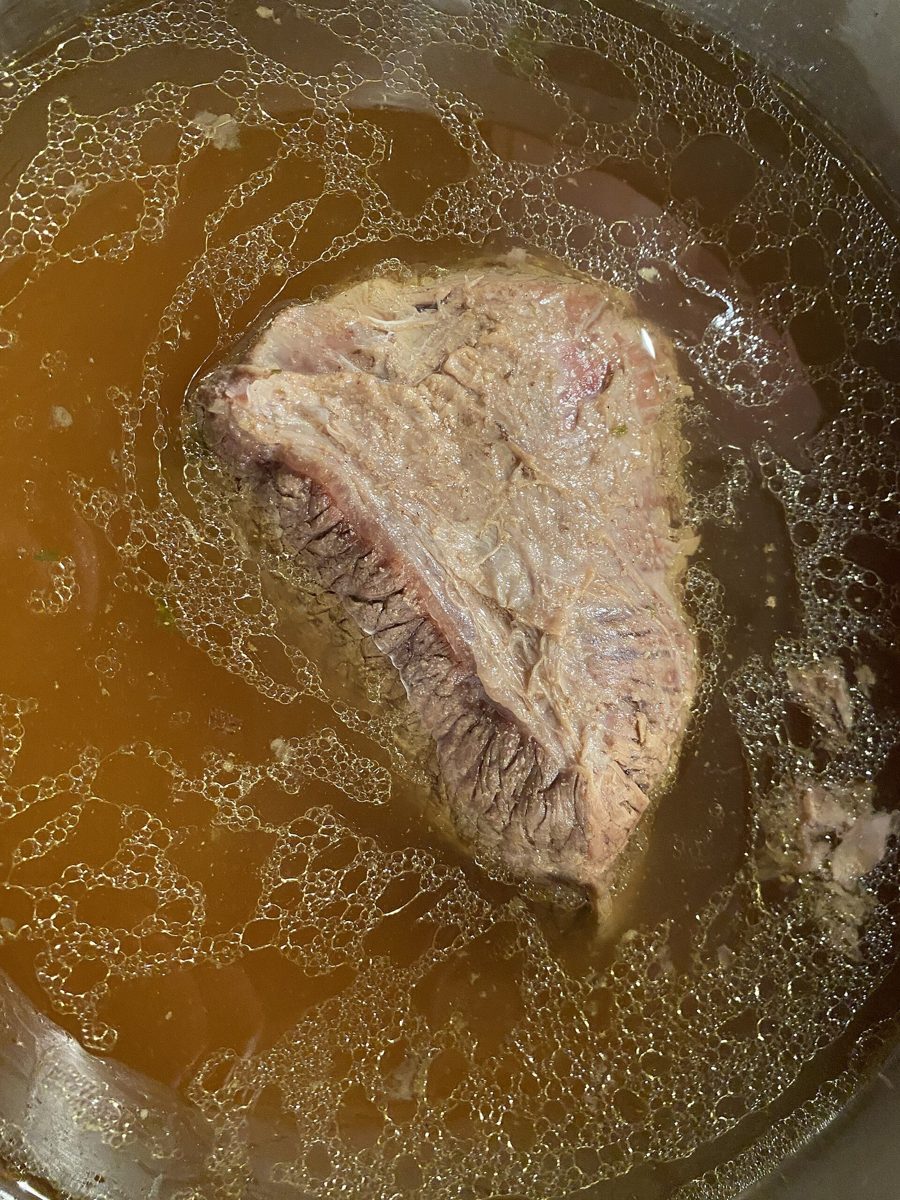
Reduce the heat so that the broth barely 'winks,' cover, and cook for 2–2.5 hours, until a fork easily goes into the meat. At the end, salt the broth to taste. Leave the cooked meat in the hot broth covered.
-
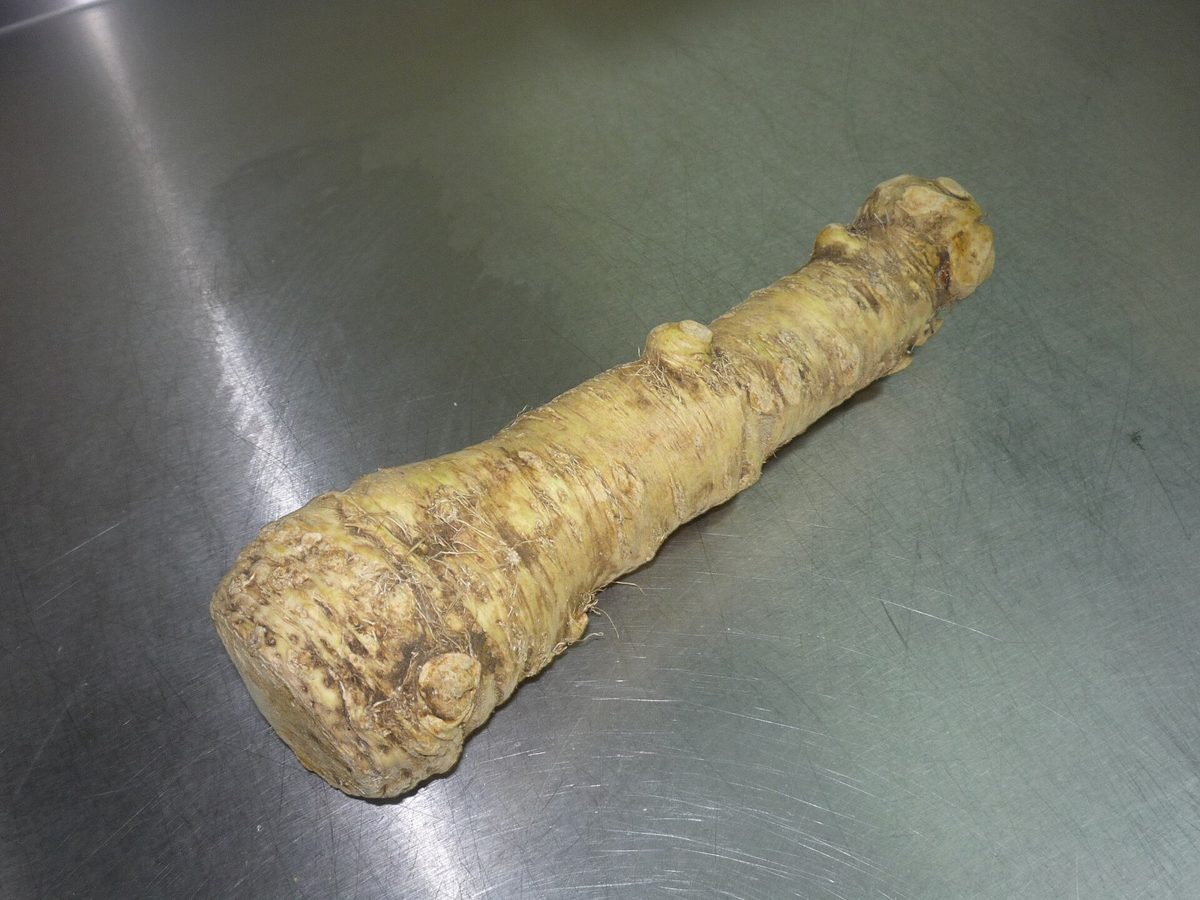
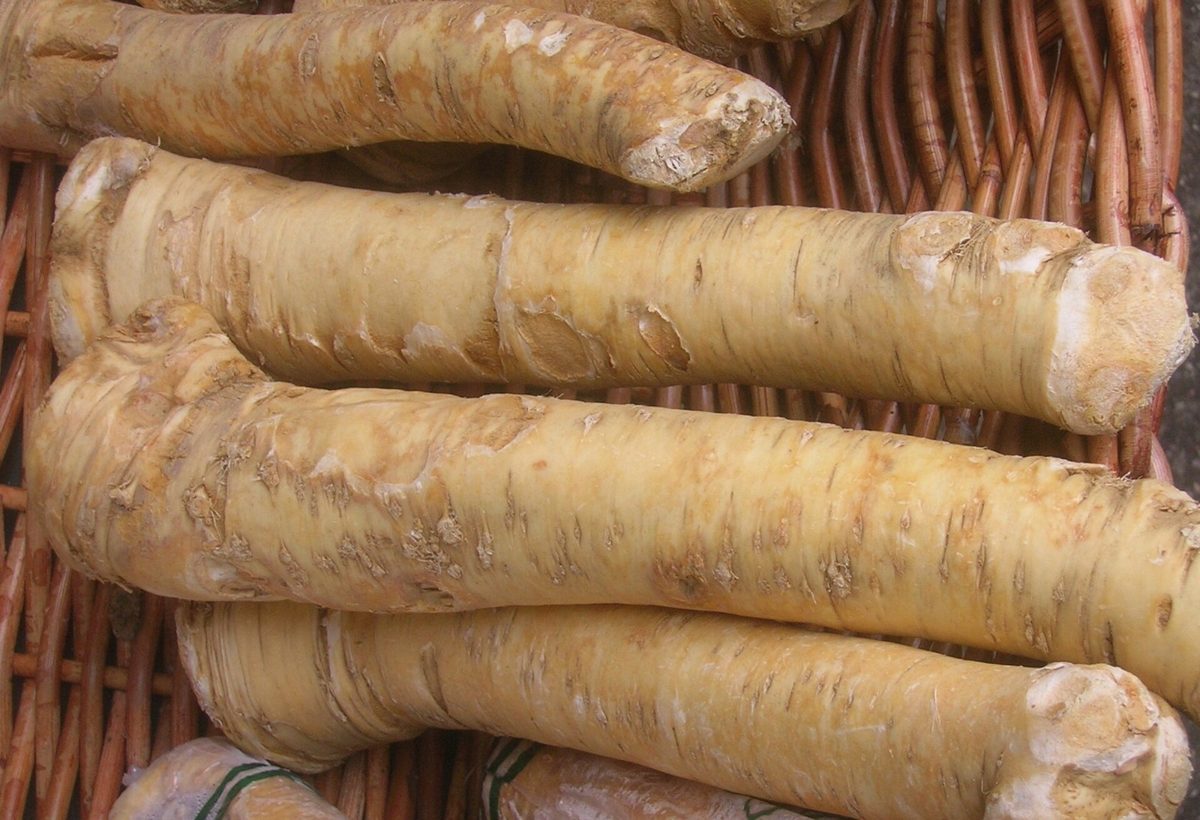
Prepare the horseradish. Peel the fresh root and grate it on a fine grater, preferably with the window open, as it can sting the eyes. Transfer the jarred horseradish to a sieve and press out the brine with a spoon.
-
Pour 300 ml of broth through a sieve into a jug. In a saucepan, melt the butter, add the flour, and sauté for 1–2 minutes, stirring constantly, until the roux foams but does not brown.
-
Gradually pour in the hot broth while continuously whisking to avoid lumps. Cook the sauce over low heat for 3–4 minutes until it thickens.
-
Add the cream, bring to a boil once, and remove the saucepan from the heat. Only now add the horseradish, sugar, lemon juice, and salt, mix, and taste. If using an egg yolk, whisk it with a spoonful of sauce, pour it into the saucepan, and heat while stirring, but do not boil.
-
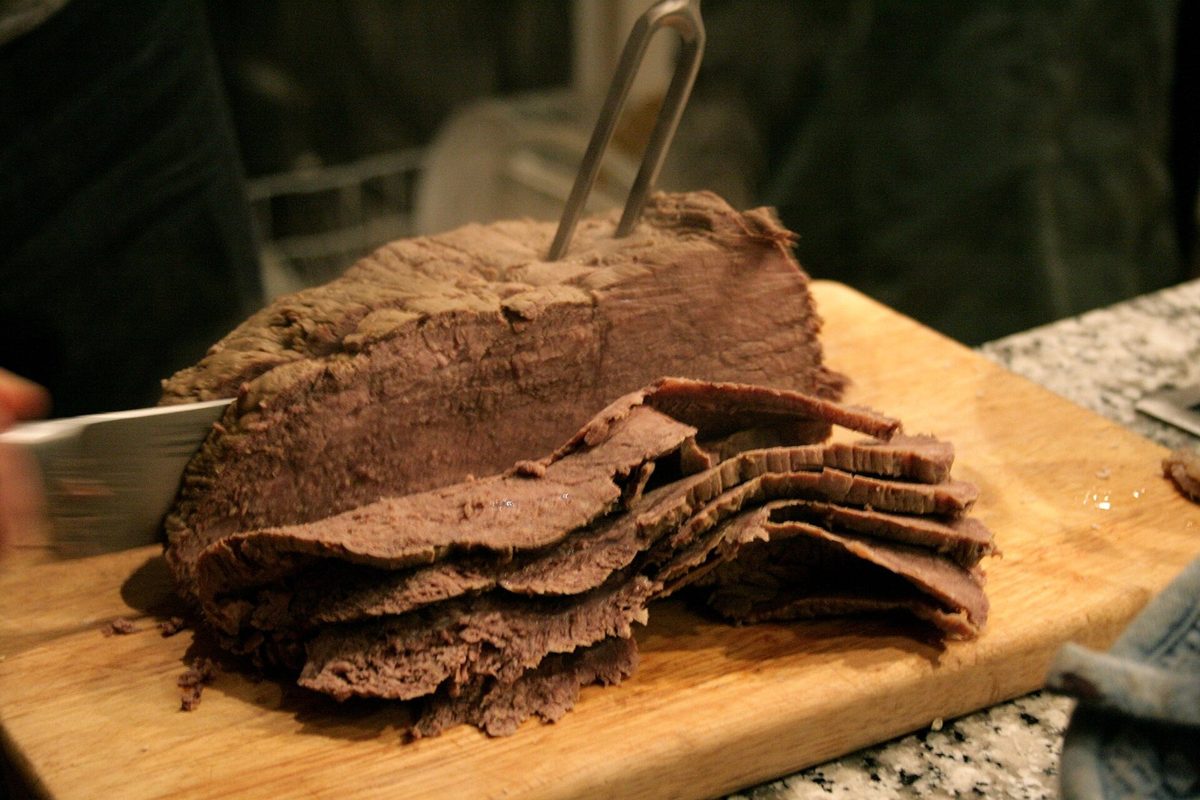
Remove the meat from the broth and slice it thinly against the grain with a sharp knife.
-
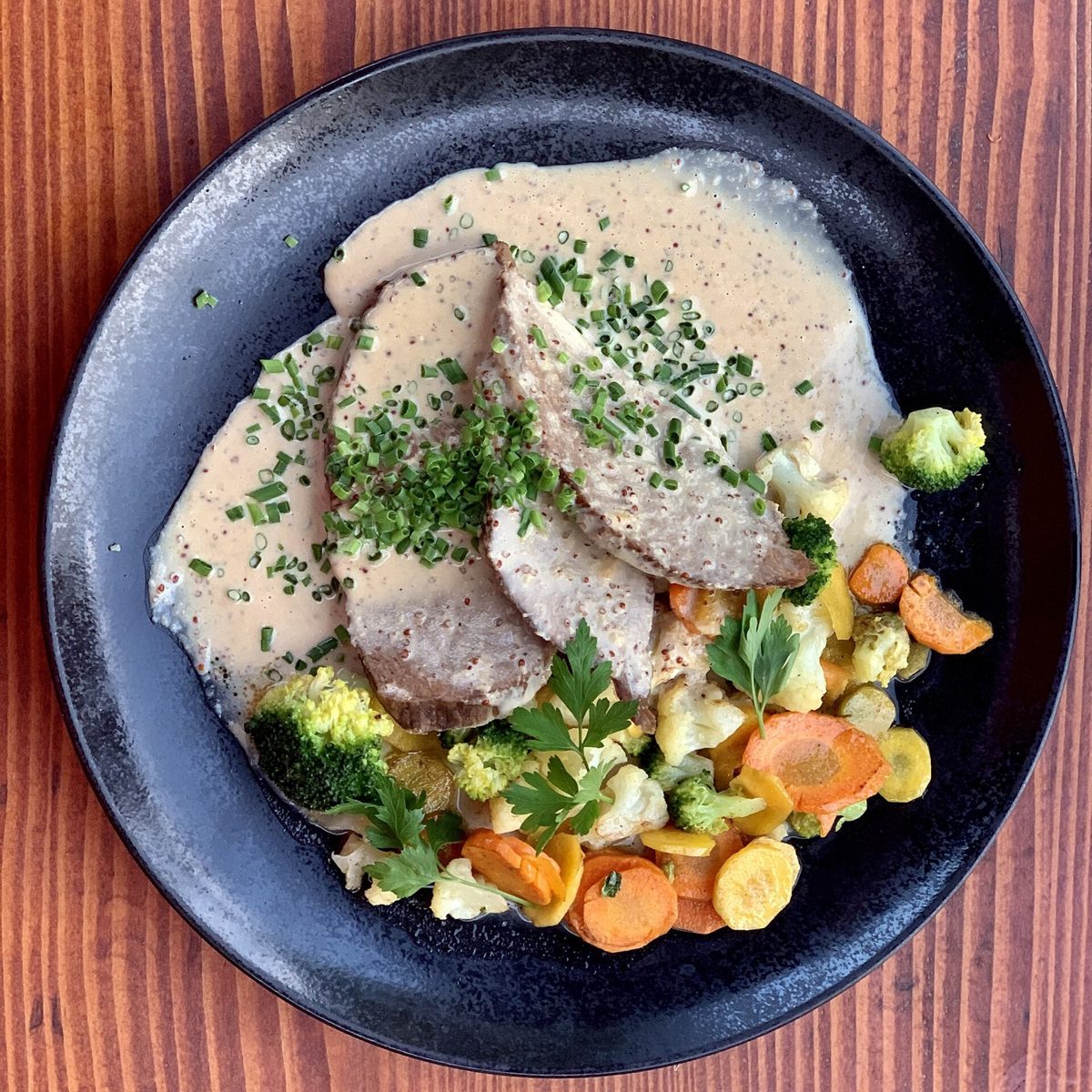
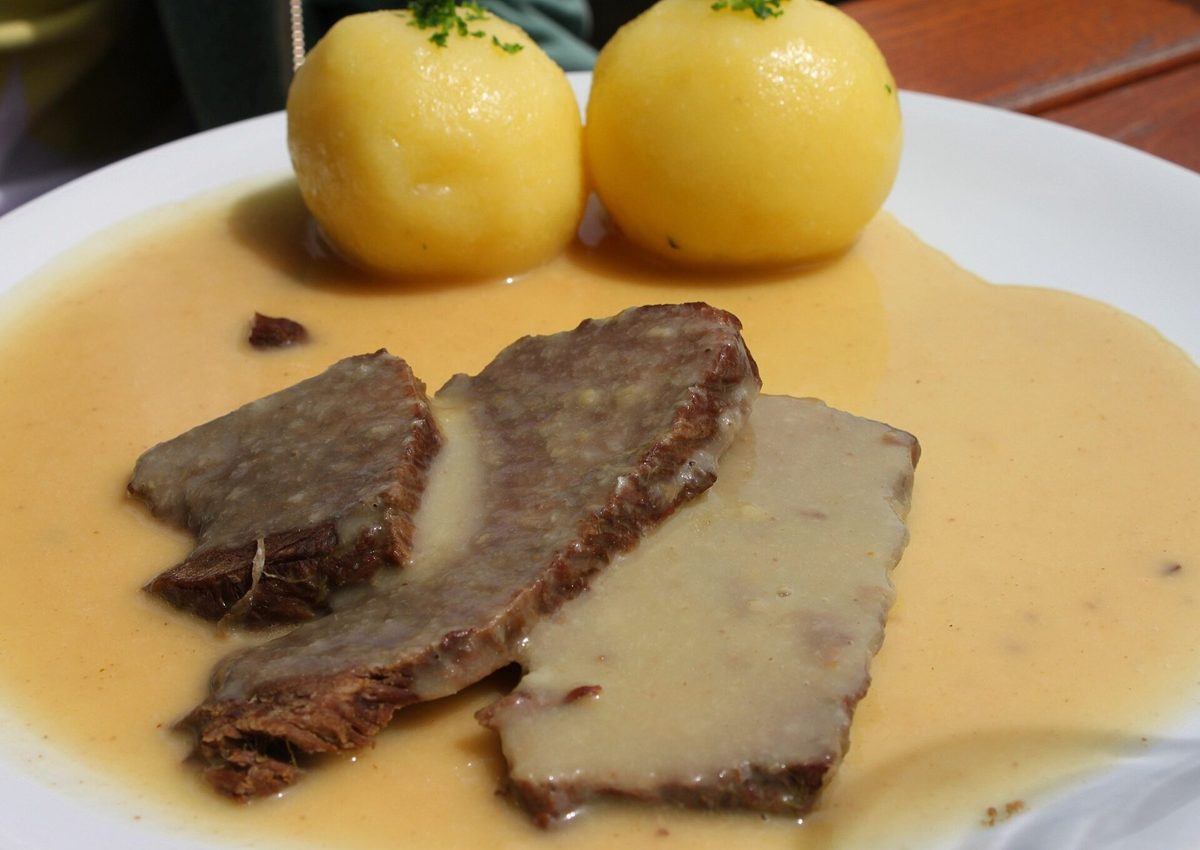
Arrange the slices on a warmed platter, drizzle with some of the sauce, and serve the rest in a sauceboat. Serve with boiled potatoes and vegetables from the broth, sprinkled with parsley or chives.
Photos
Comments (0)
No comments yet. Be the first!