
The story behind the recipe
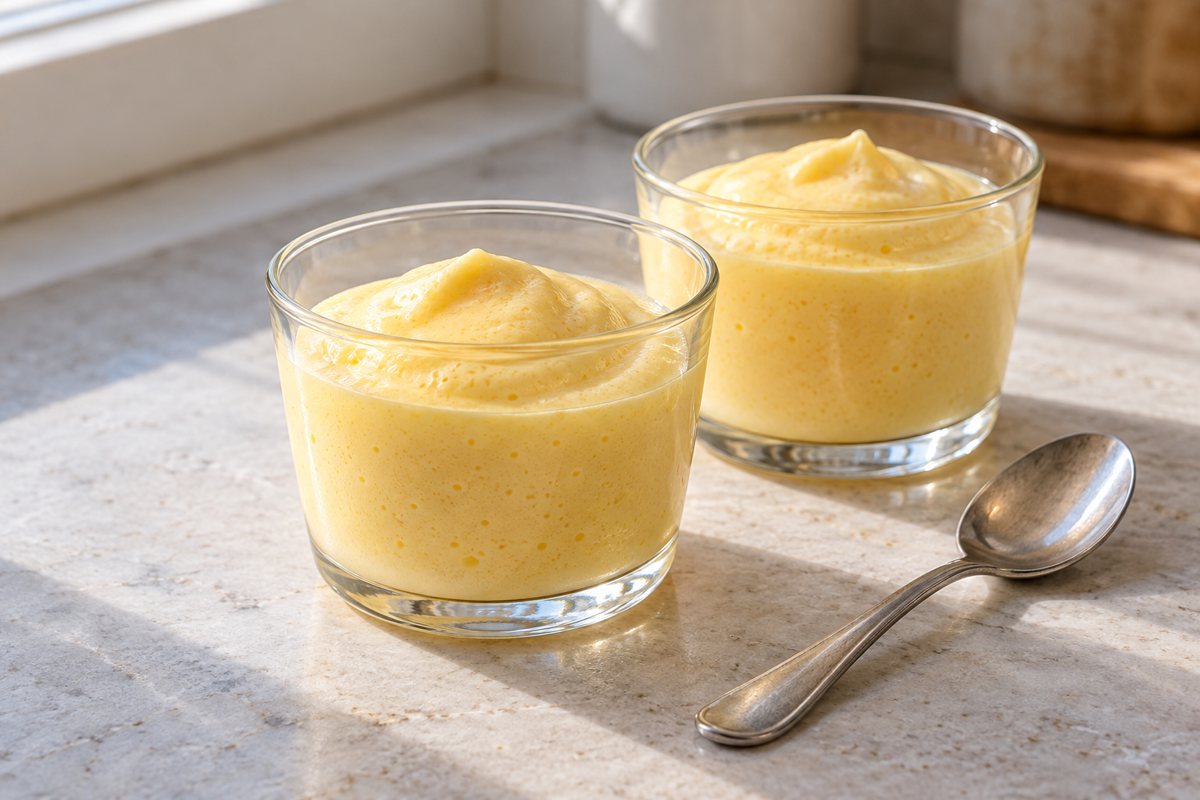
At first, the yolks are dark yellow and heavy. After a few minutes of whisking with sugar, the mixture lightens, becomes fluffy, and leaves a trace of the spoon on the surface. This simple cream, eaten with a small spoon, is the basis of kogel-mogel.
The National Center for Culture describes it as a dessert made from yolks whipped with sugar, known in Central and Eastern Europe and associated with Jewish cultural heritage. Its name is written with a hyphen: kogel-mogel. It is a traditional dessert, but old habits do not change the safety issues of raw eggs.
That’s why in this recipe we use pasteurized yolks or yolks from pasteurized in-shell eggs, clearly designated by the manufacturer for use without cooking. It’s not enough to just choose regular eggs with nice shells or briefly pour boiling water over them. If you don’t have the right product, opt for a dessert that is fully cooked instead of preparing this version with regular raw yolks.
Ingredients
Ingredients
-
80 g pasteurized egg yolks (unsweetened, unsalted, intended for consumption without cooking; about 4 large yolks)
Abroad: pasteurized egg yolks / pasteurised egg yolks; Germany: pasteurisiertes Eigelb -
40 g fine baking sugar (amount for two small servings)
Abroad: caster sugar, superfine sugar
Method, step by step
-
Check the label and storage conditions of the yolks. Use a pasteurized product suitable for no-cook dessert. Weigh 80 g and prepare a clean, small bowl and a whisk or mixer.
-
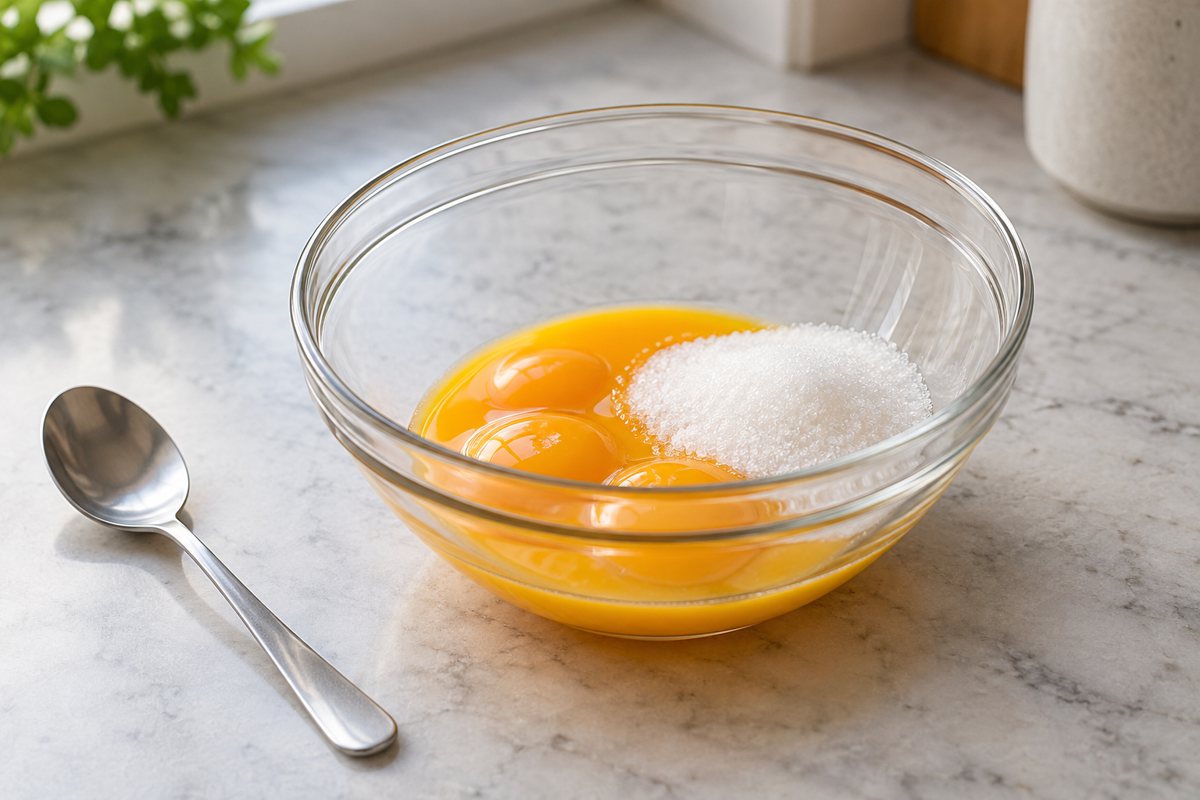
Add 40 g of fine sugar to the yolks. Mix with a spoon to combine the sugar with the liquid and prevent it from spilling during whisking.
-
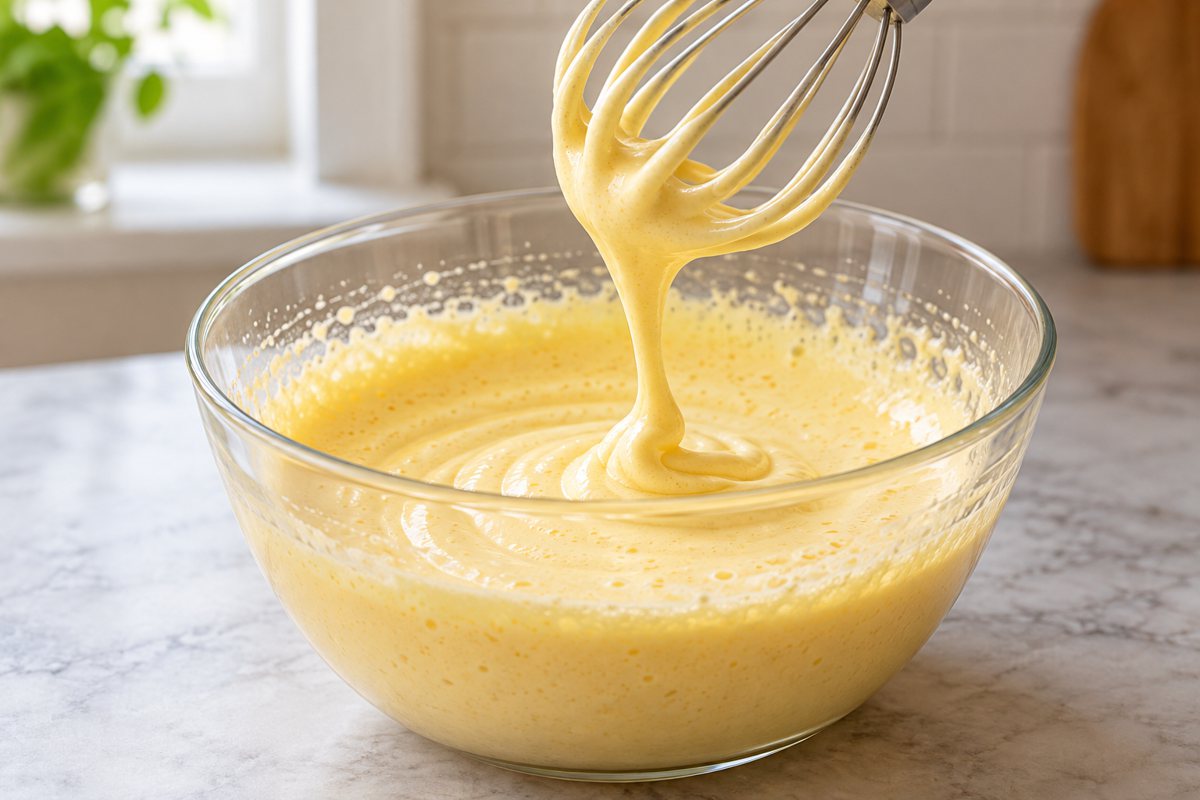
Whisk by hand or beat with a mixer on medium speed until the mixture noticeably lightens, increases in volume, and becomes fluffy. This will take a few minutes; by hand usually longer. When lifting the whisk, the flowing mixture should leave a trace for a moment.
-
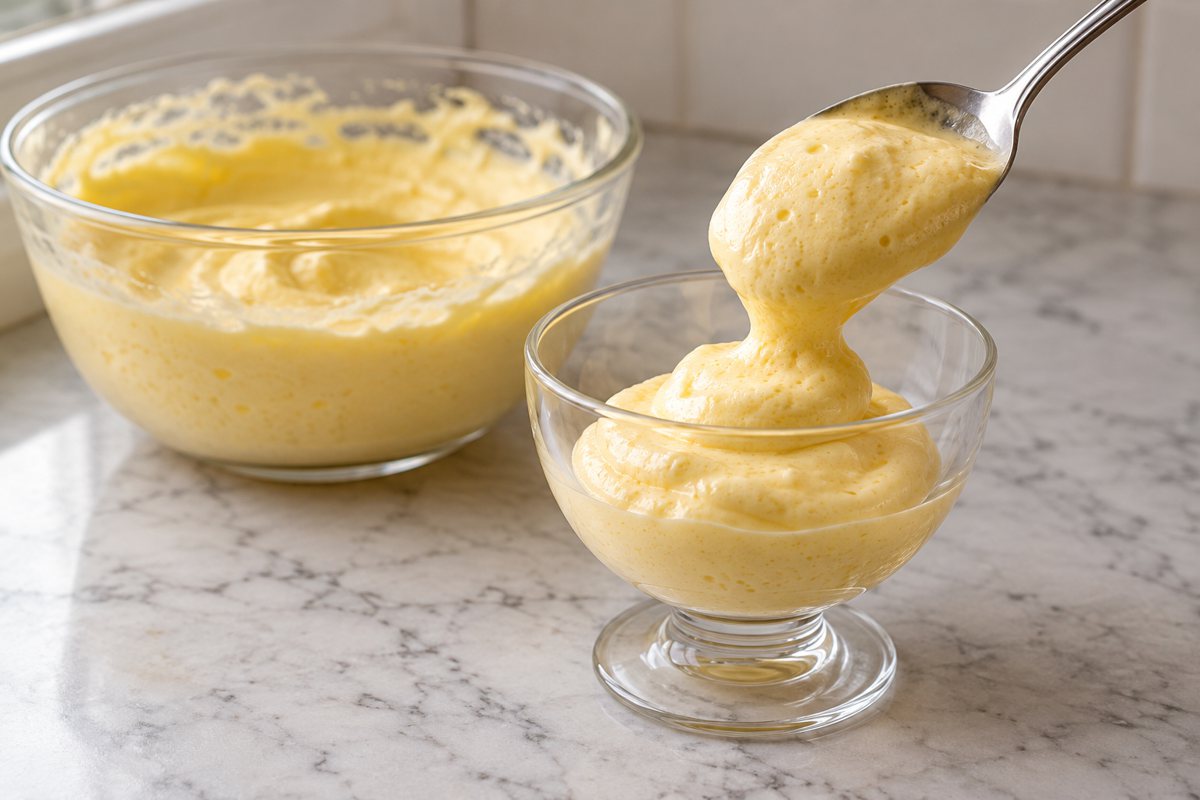
Divide the cream into two small bowls or cups. Spoon gently to maintain fluffiness. The portions are small, according to the amount of ingredients.
-
If you want a cocoa variant, mix a small portion of the finished cream separately with a bit of sifted cocoa and assess the taste. The basic version does not require additions.
-
Serve immediately. For a short wait, refrigerate according to the product's requirements. Do not treat this preparation method as pasteurization of regular raw eggs.
Comments (0)
No comments yet. Be the first!