
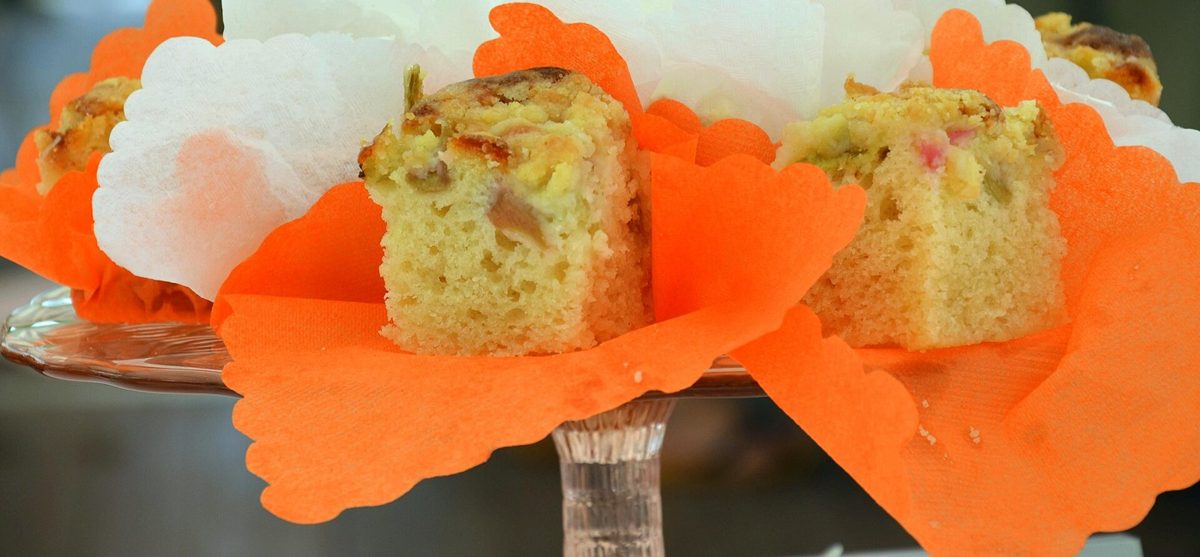
The story behind the recipe
Rhubarb has not been a plant in Poland for centuries. The Practical Medicine portal mp.pl states that it originates from the mountains of Southeast Asia, reached the British Isles in the late 16th century, and arrived in Poland only in the 19th century; we have not found an older Polish source for this date. According to available studies, garden rhubarb is used here as an addition to juices, compotes, and yeast cakes, less often in sweet rolls. According to the DOZ service, it is most commonly grown in the Świętokrzyskie, Lublin, Masovian, and Lesser Poland voivodeships. Yeast cake with rhubarb does not have its own entry on the List of Traditional Products nor EU name protection. The closest is "Crumble Cake from the Kłodzko Land," whose card states that the basic cake with crumble was enriched with fruits depending on the season; however, rhubarb is not mentioned on the card.
This cake is seasonal in the strictest sense. Agricultural News writes that since the first rhubarb of the spring has appeared at the markets, it is time to start the season with a yeast cake, and Kwestia Smaku recommends it for the May holiday. Mp.pl advises collecting rhubarb until mid-June when the stalks are least sour; later, the content of oxalic acid increases. In Germany, the traditional end of harvesting, like with asparagus, is St. John's Day, June 24. Ania Gotuje notes that young rhubarb and strawberries are only available at the markets for a few weeks a year, and she often combines them in one cake.
German sources describe Rhabarberkuchen as a cake on a shortcrust, yeast, or sponge base, often topped with crumble or meringue, baked in a pan or round form. The oldest referenced recipe is a letter from Peter Collinson from 1739: peel the stalks, cut them, bake in a cake with sugar and a bit of cinnamon. Even in 1863, a German guide wrote that rhubarb was "almost unknown" in Germany, and recipes for cakes with it began appearing in German publications from the mid-19th century. In America, rhubarb was called "pie plant," and this name has survived in American cookbooks.
Ingredients
Yeast Cake (23×33 cm pan, or 9×13 inches)
-
400 g all-purpose flour (type 450 or 500, plus a little for dusting)
Abroad: USA and Canada: all-purpose flour; UK: plain flour; Germany: Type 405 or 550 -
20 g fresh yeast (or 7 g instant yeast)
Abroad: USA: fresh cake yeast can be hard to find; instead, use 7 g instant yeast or 8 g active dry yeast - 200 ml milk (warm, no more than 37°C, or 99°F)
- 70 g sugar
- 1 pc egg (at room temperature)
- 2 pcs egg yolks
-
70 g butter (melted and cooled, plus a little for greasing the pan)
Abroad: unsalted butter -
1 package vanilla sugar (about 16 g, not necessary)
Abroad: Germany: Vanillezucker; USA and UK: 1 teaspoon vanilla extract - 1 pinch salt
Rhubarb
-
500 g rhubarb (weight of stalks without leaves and ends; or 300 g rhubarb and 200–250 g strawberries)
Abroad: USA, Canada, UK, Australia: rhubarb; Germany: Rhabarber; out of season, use thawed and dried - 1 tbsp (about 13 g) sugar (for sprinkling the rhubarb)
-
1 tbsp (about 9.5 g) potato flour (for coating the drained rhubarb)
Abroad: potato starch / Kartoffelstärke or cornstarch
Crumble
-
120 g all-purpose flour
Abroad: all-purpose flour / plain flour / Type 405 -
80 g butter (cold)
Abroad: unsalted butter - 70 g sugar
- ½ tsp (2.5 ml) cinnamon (not necessary)
Icing (optional)
-
100 g powdered sugar
Abroad: powdered sugar / icing sugar - 1 tbsp (15 ml) lemon juice (or more, until the icing is thick but pourable)
Method, step by step
-
Starter: crumble the yeast in a bowl, add a teaspoon of sugar and a teaspoon of flour from the given amount, pour in warm milk, no more than 37°C (99°F), and mix well. Cover and set aside in a warm place for 10–20 minutes until the starter is frothy and rises significantly. If it doesn't activate, start over.
-
Sift the flour into a large bowl and make a well in the center. Beat the egg and yolks with the remaining sugar, vanilla sugar, and salt. Pour the starter into the well, mix, incorporating the flour, and gradually add the eggs. Knead by hand or with a mixer hook for about 10 minutes, then add the melted, still warm butter in batches and knead for a few more minutes until the dough is smooth, elastic, and no longer sticky to the hands. It may remain quite soft; do not add too much flour.
-
Cover the bowl with a cloth and set the dough in a warm place without drafts for 1–1.5 hours until it clearly rises, at least double in size.
-
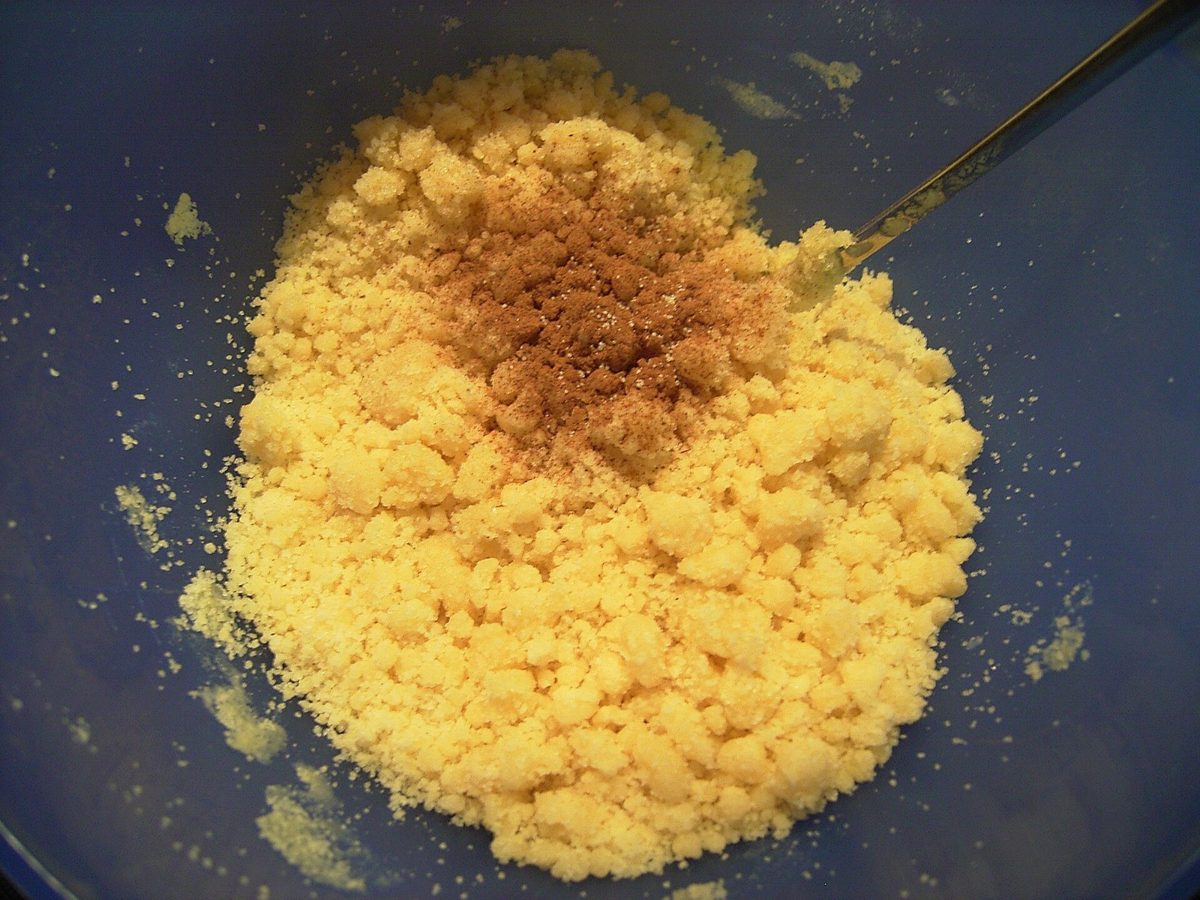
Crumble: cut the cold butter into small cubes, add the flour, sugar, and cinnamon if using, and quickly rub with your fingers until small, moist crumbs form. Store the bowl in the fridge until needed.
-
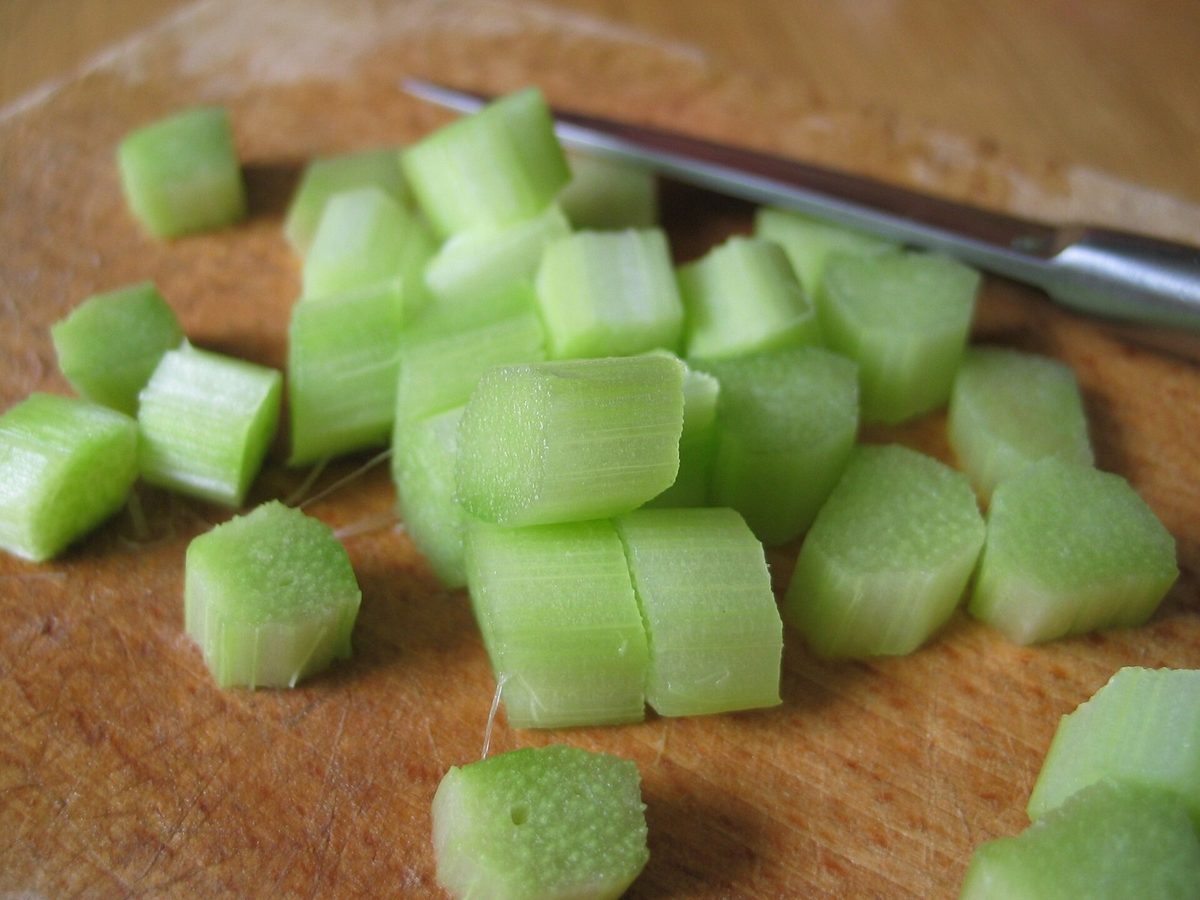
Rhubarb: cut off the leaves and the thick end of the stalk, wash and dry. Do not peel young, thin stalks; from thick ones, peel off the tough fibers with a knife. Cut into slices about 1–1.5 cm (½ inch) thick, sprinkle with a tablespoon of sugar, and set aside for 20–30 minutes until it releases juice.
-
Grease the 23×33 cm (9×13 inch) pan with butter and dust with flour or line with parchment paper. Transfer the risen dough from the bowl to the pan and gently stretch it with your fingers to cover the entire bottom, reaching the edges. Do not roll it out: it should remain fluffy.
-
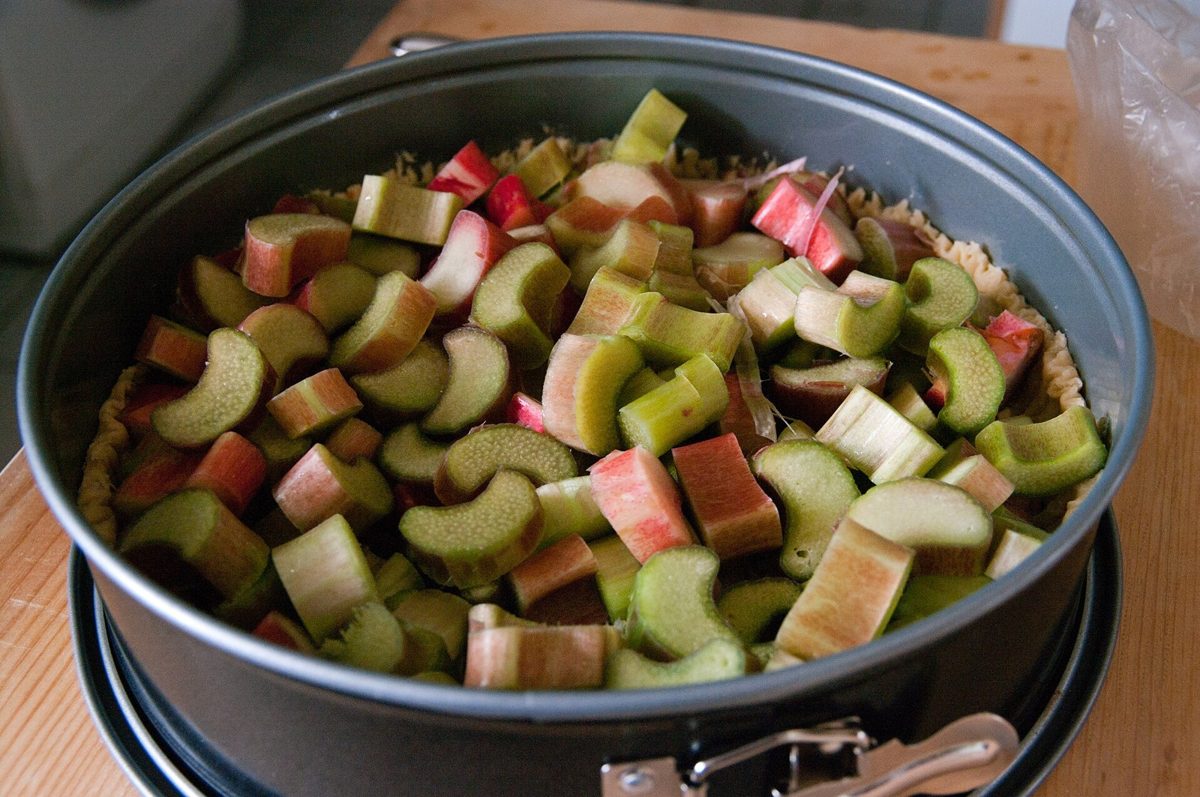
Transfer the rhubarb to a sieve, drain the juice, and lightly squeeze the stalks in your hands, then mix them with the potato flour. Evenly distribute the rhubarb over the dough, reaching the edges, and gently press it in. If making the version with strawberries, add them now, cut into quarters, among the pieces of rhubarb.
-
Remove the crumble from the fridge, crumble it with your fingers, and evenly sprinkle it finely over the fruit. Cover the pan with a cloth and leave for 20–30 minutes until the dough noticeably rises around the rhubarb. Meanwhile, preheat the oven to 180°C (350°F), top and bottom heat, without convection.
-
Bake at 180°C (350°F) on the middle rack for 35–40 minutes until the crumble is golden and the edges of the cake are browned. Check with a toothpick inserted into the cake between the rhubarb: it should come out dry, without raw dough.
-
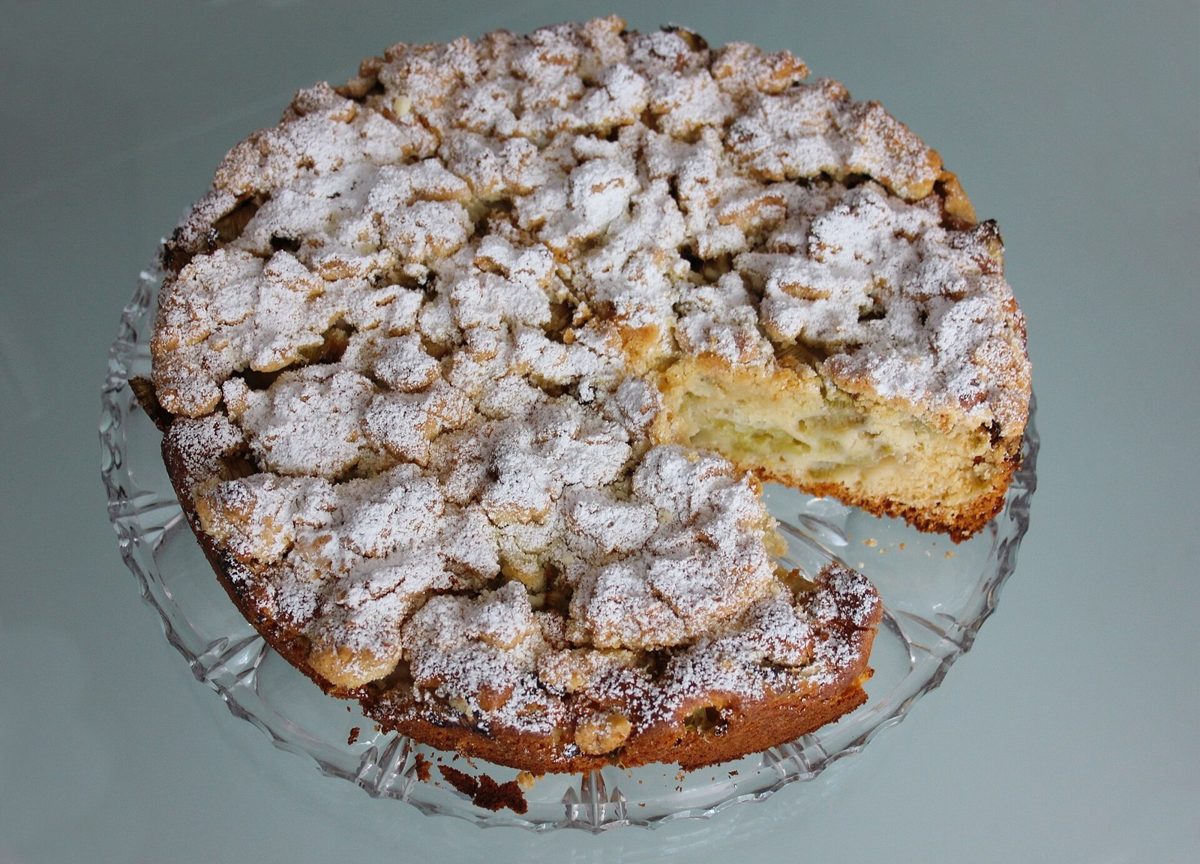
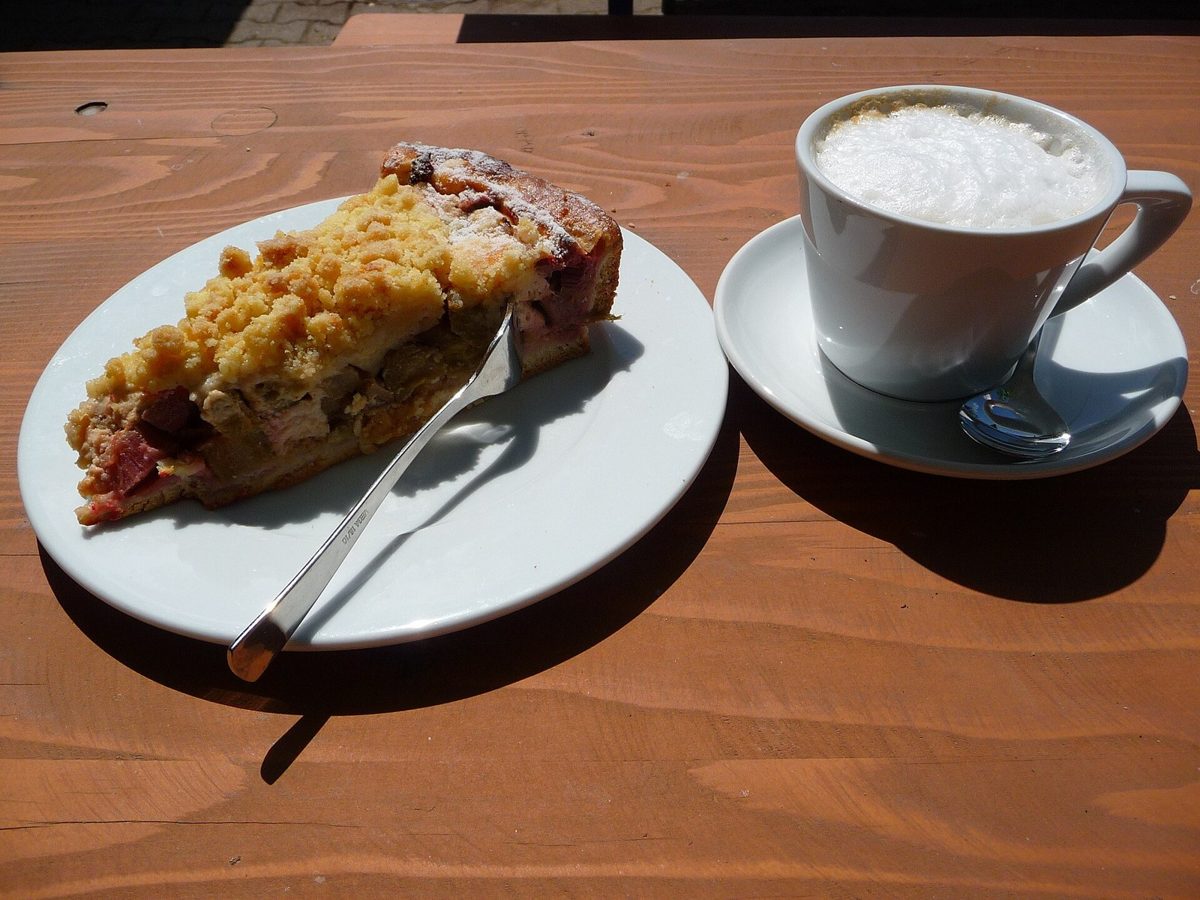
Cool the cake in the pan on a rack. For the icing, beat the powdered sugar with lemon juice until thick but pourable, and drizzle it over the cooled cake. Cut into 15 pieces, in 3 rows of 5.
Photos
Comments (0)
No comments yet. Be the first!